
Boulder Opal Beads
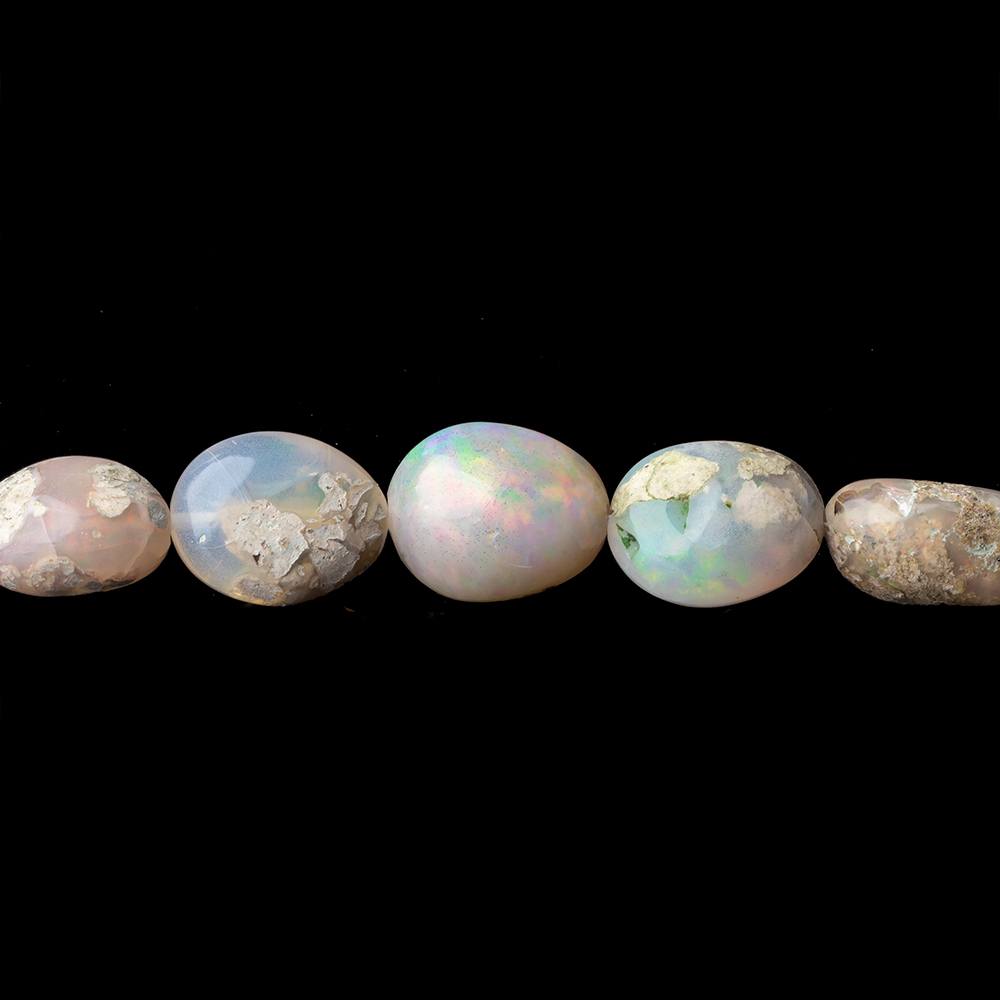
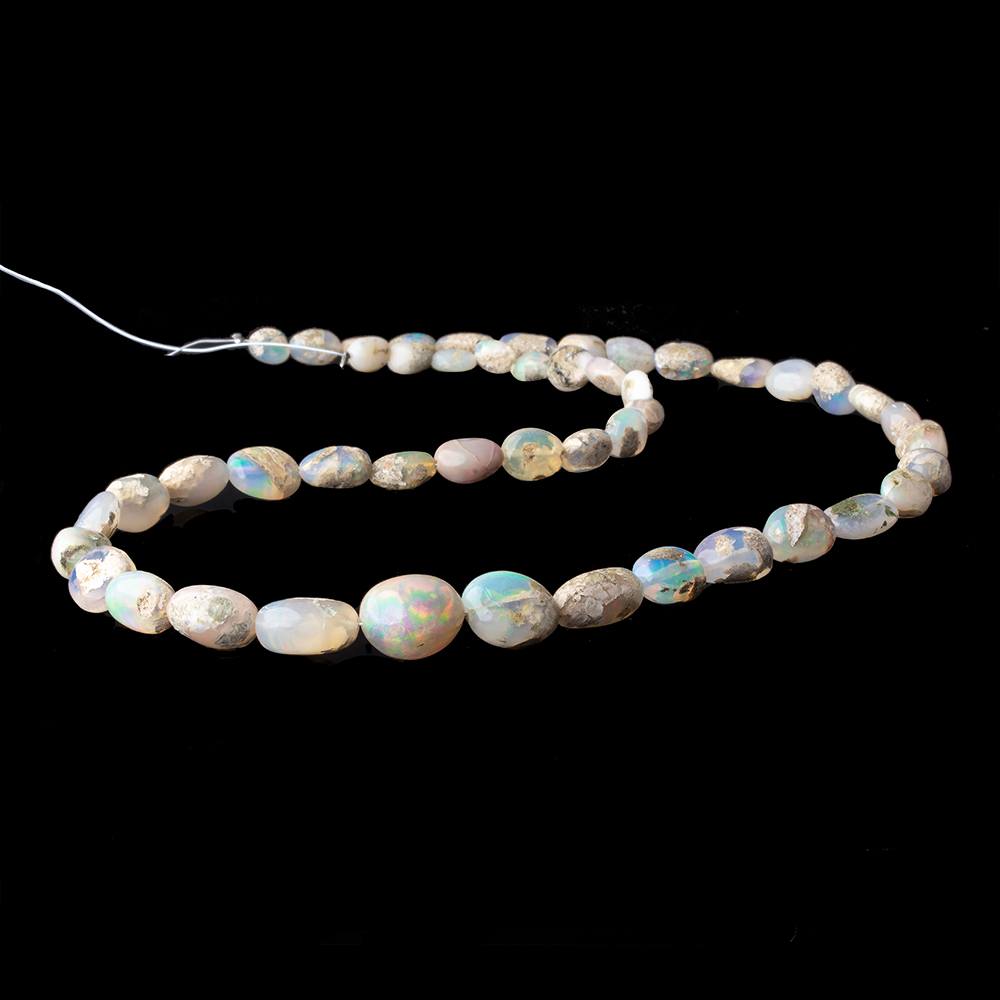
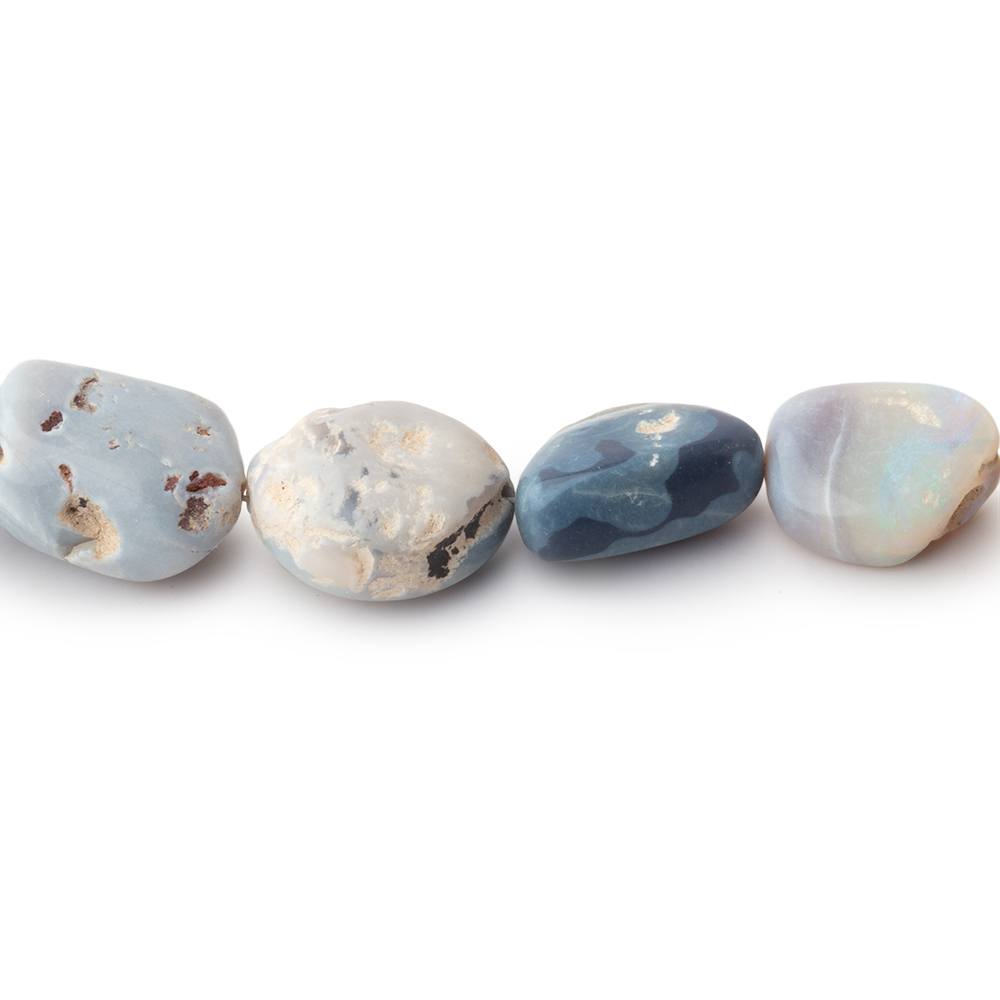
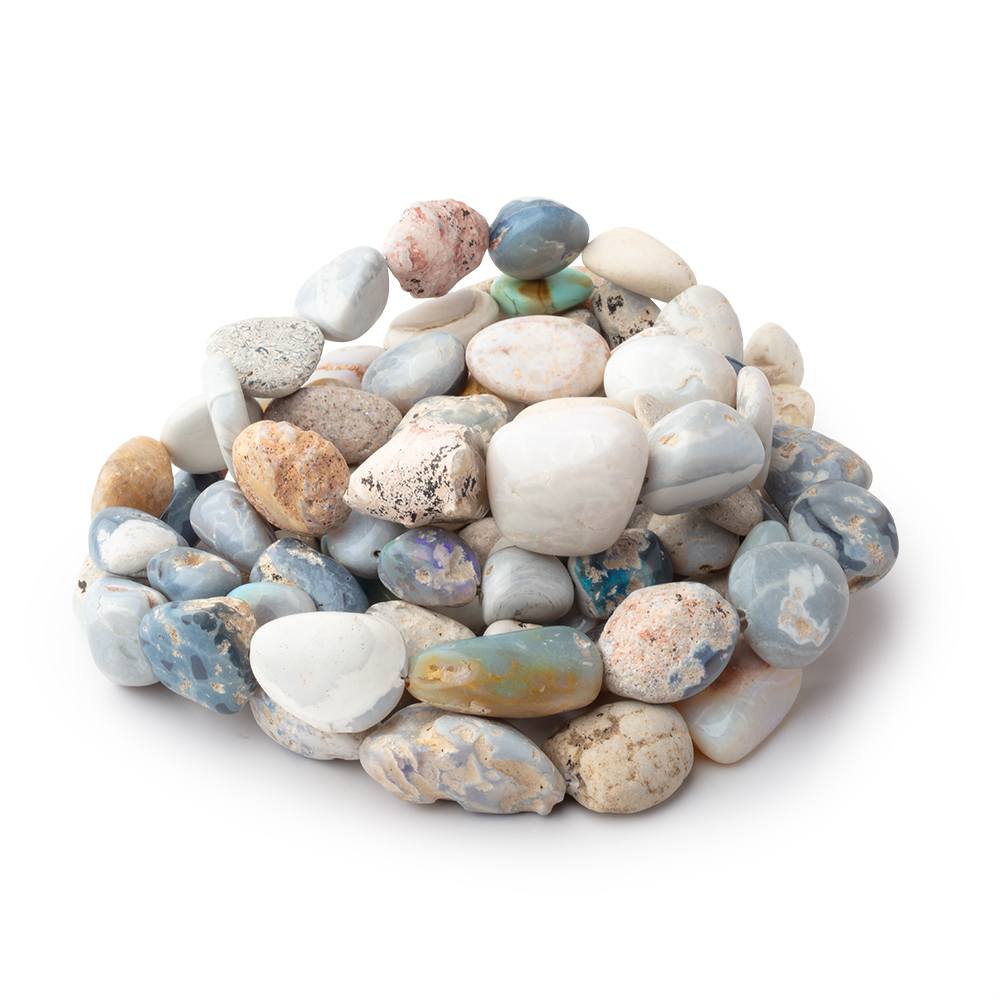








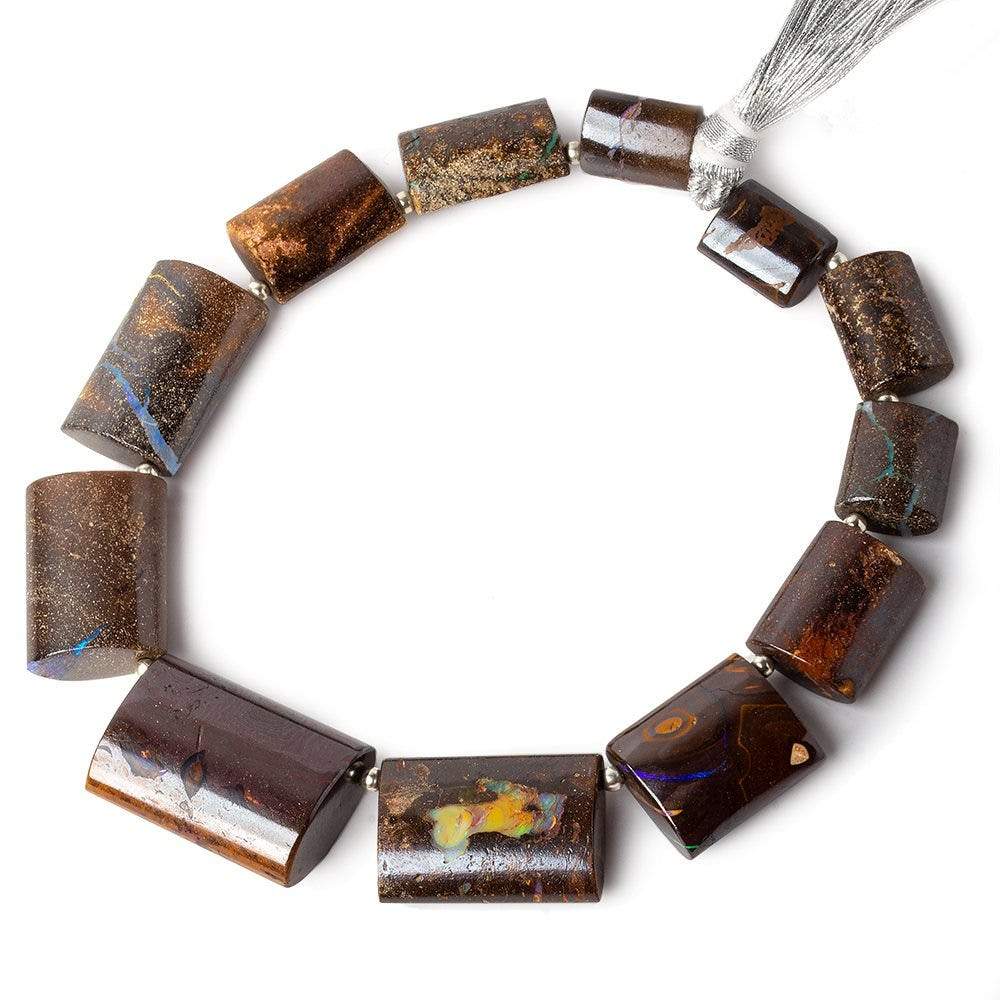
What Is Boulder Opal?
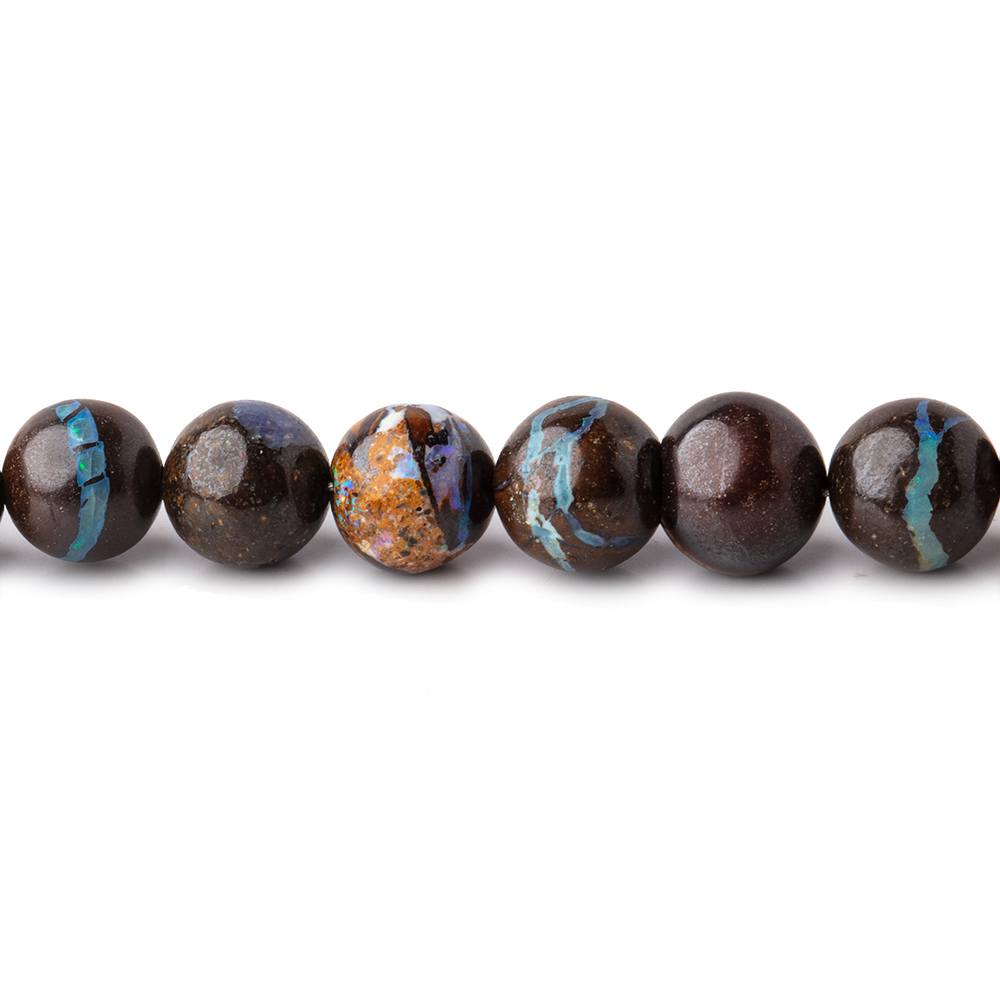
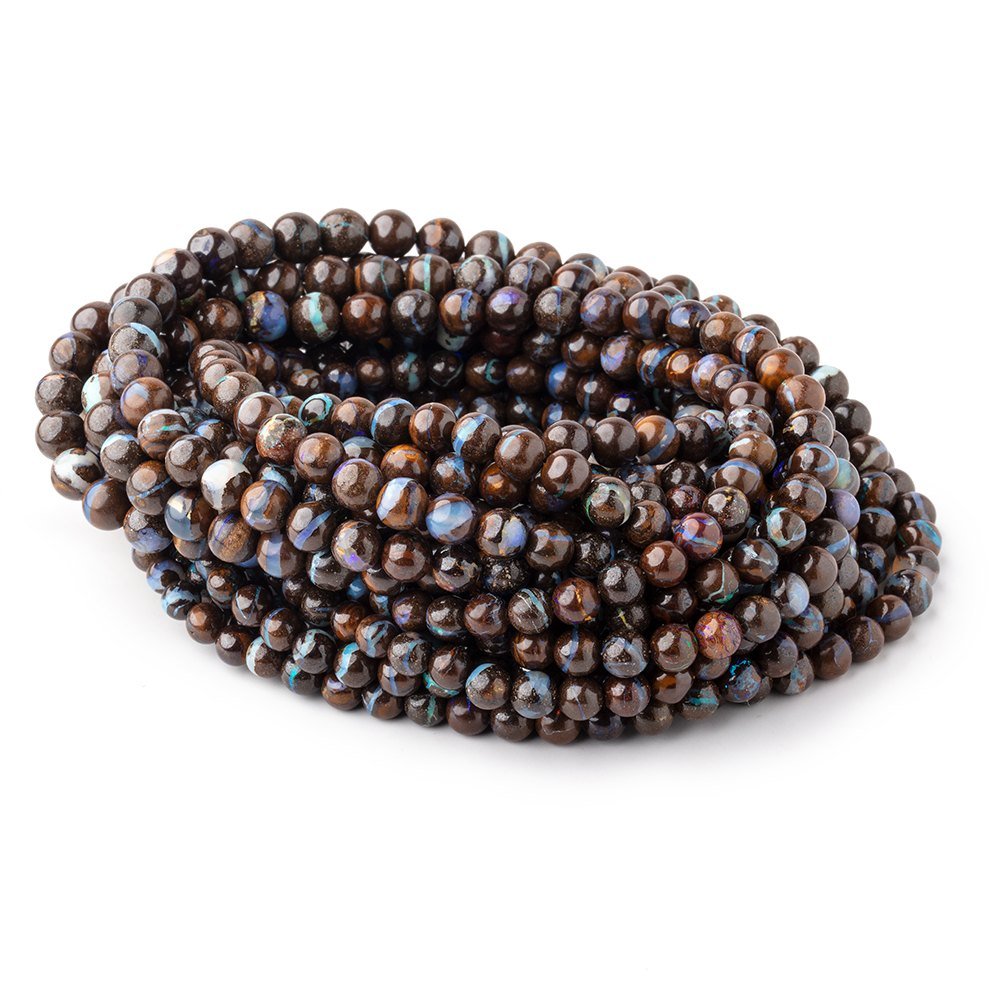
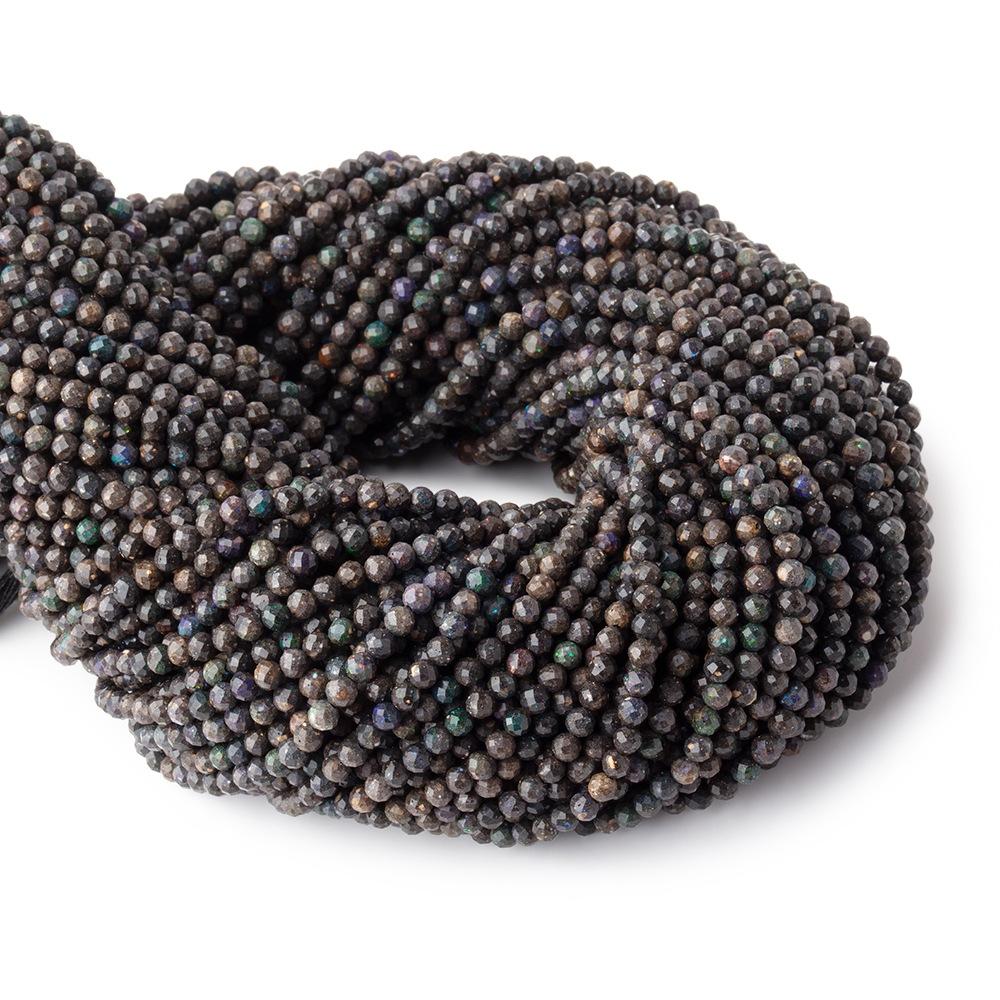
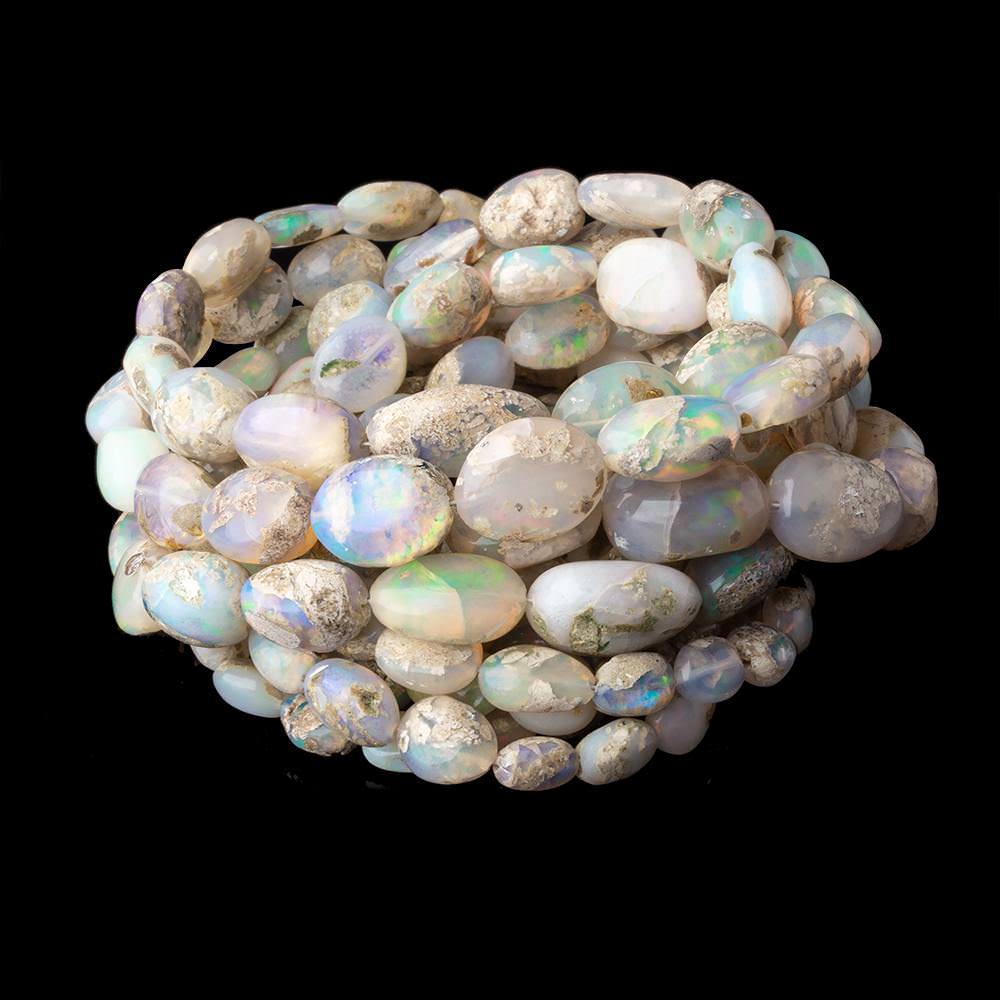
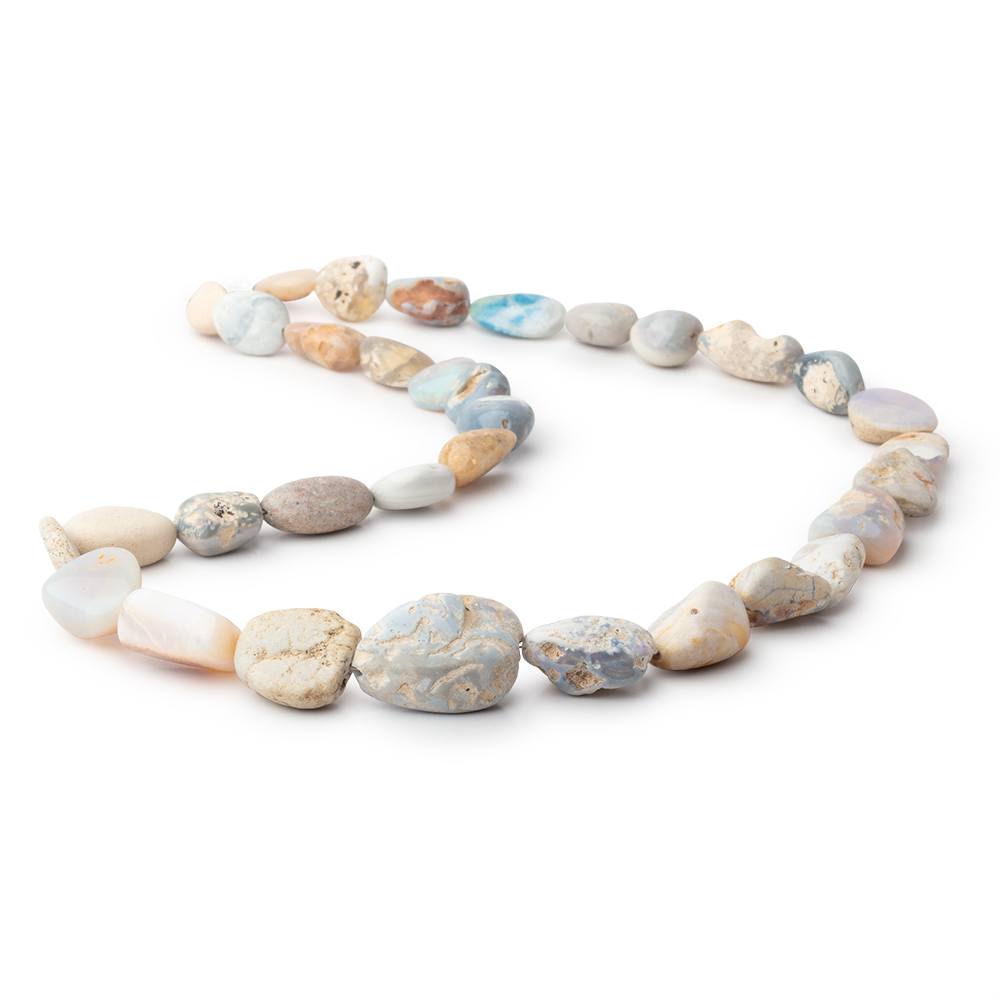
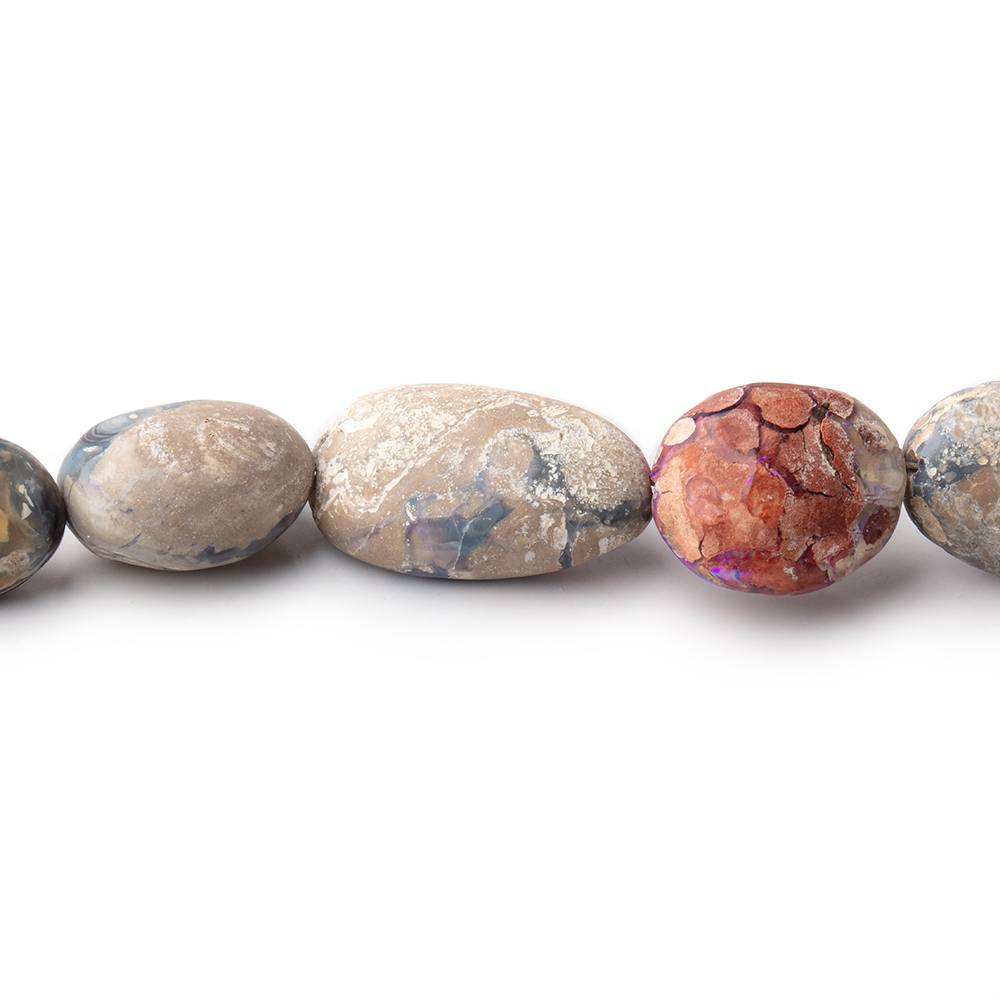
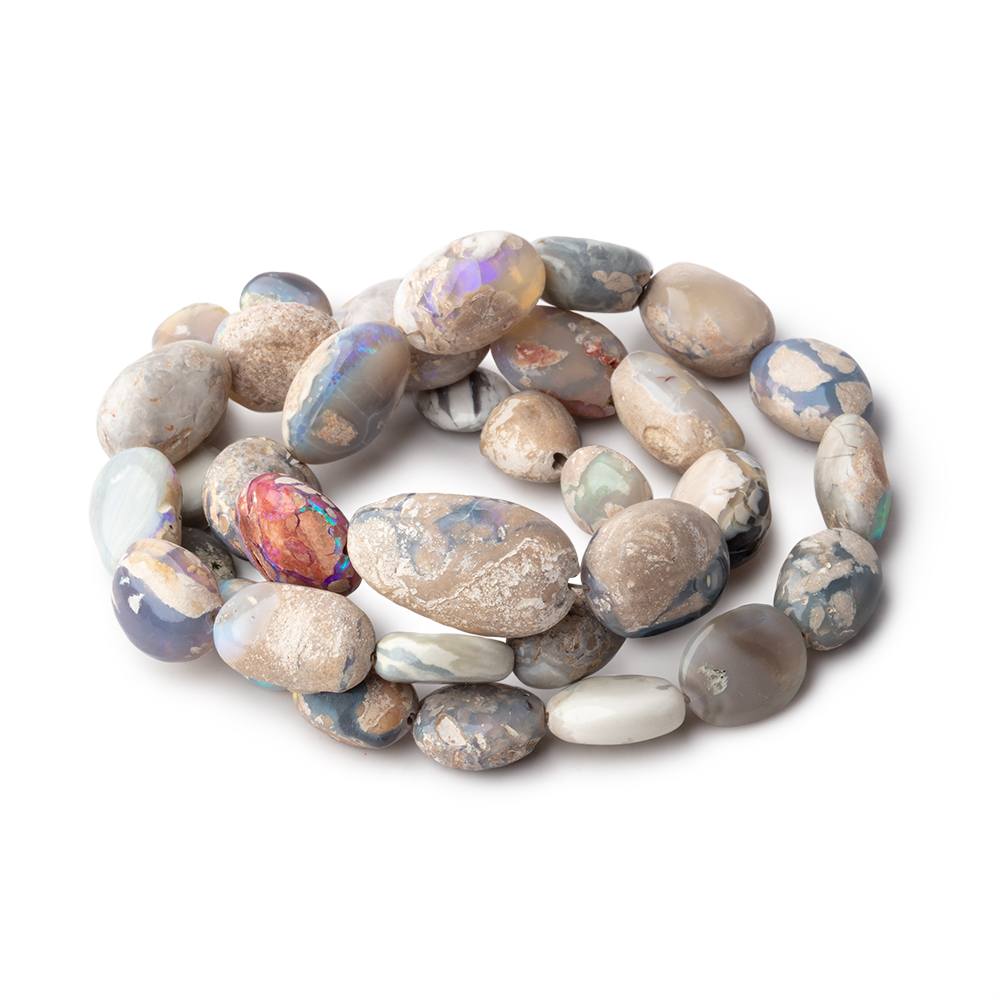
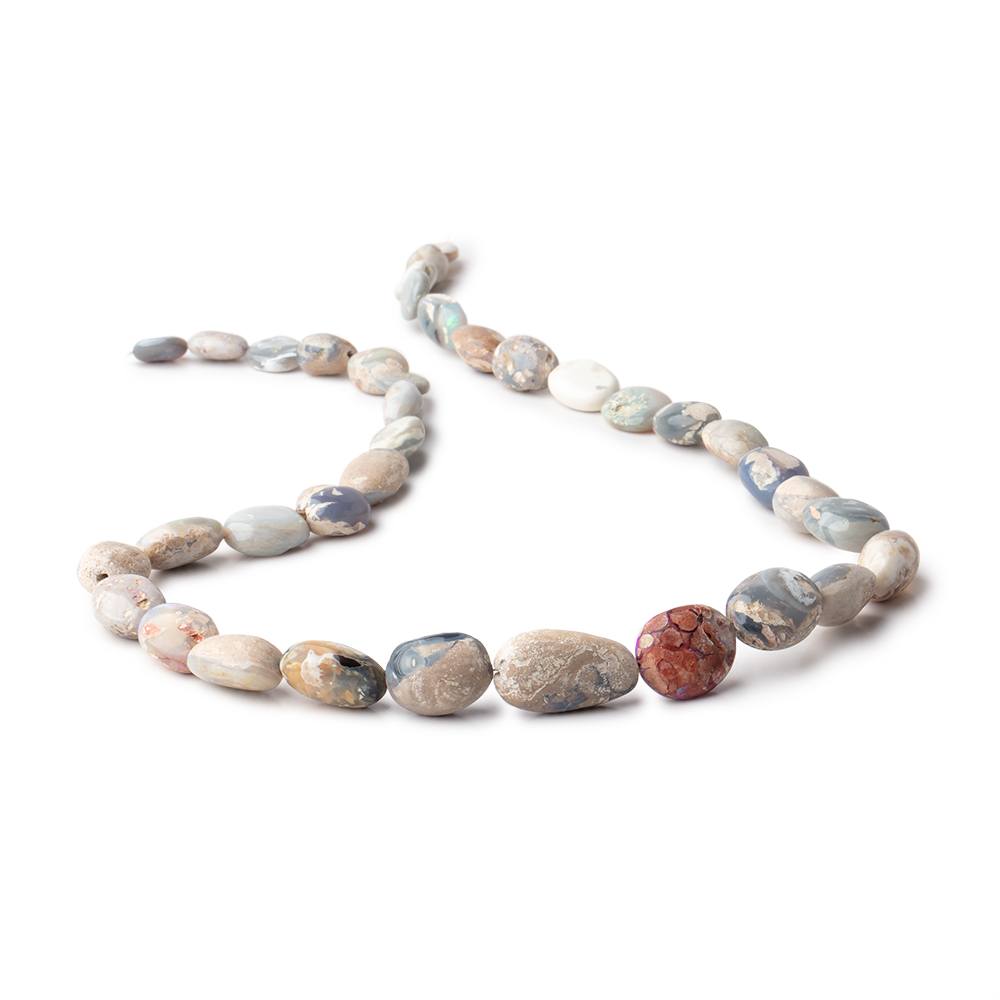
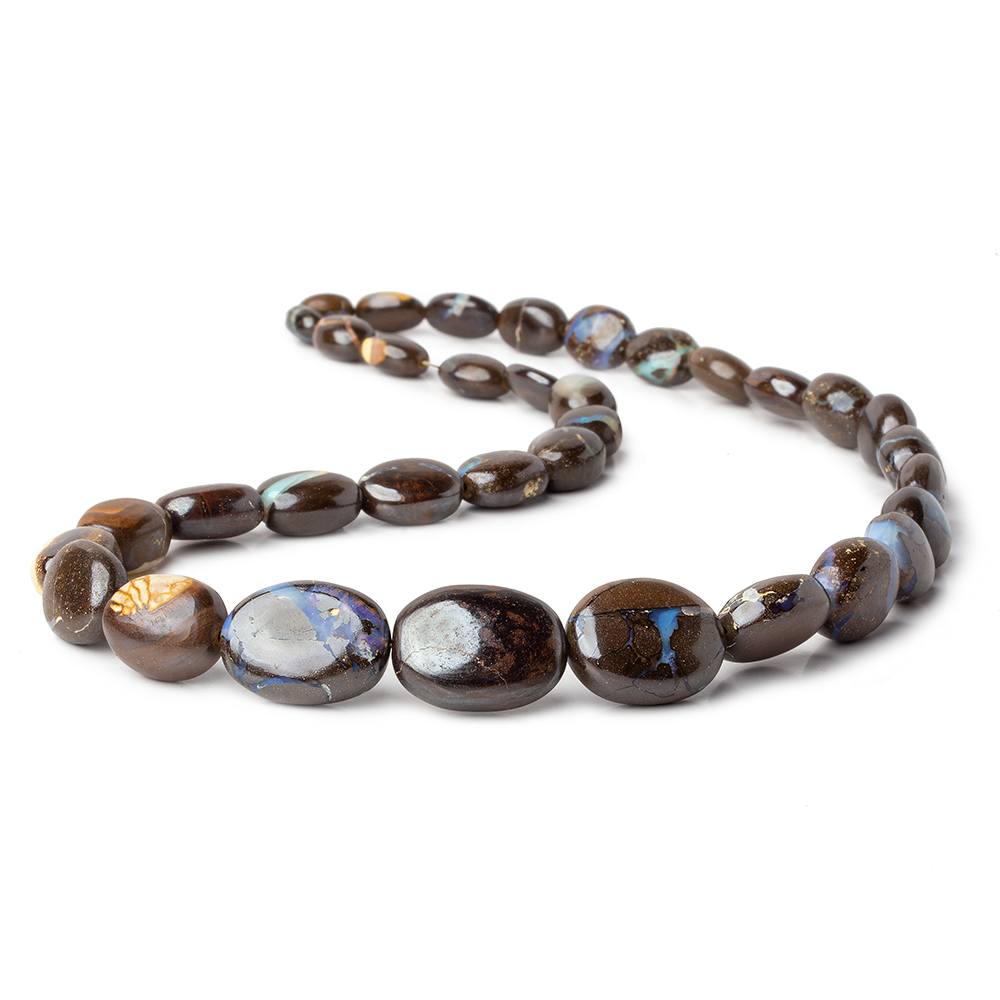
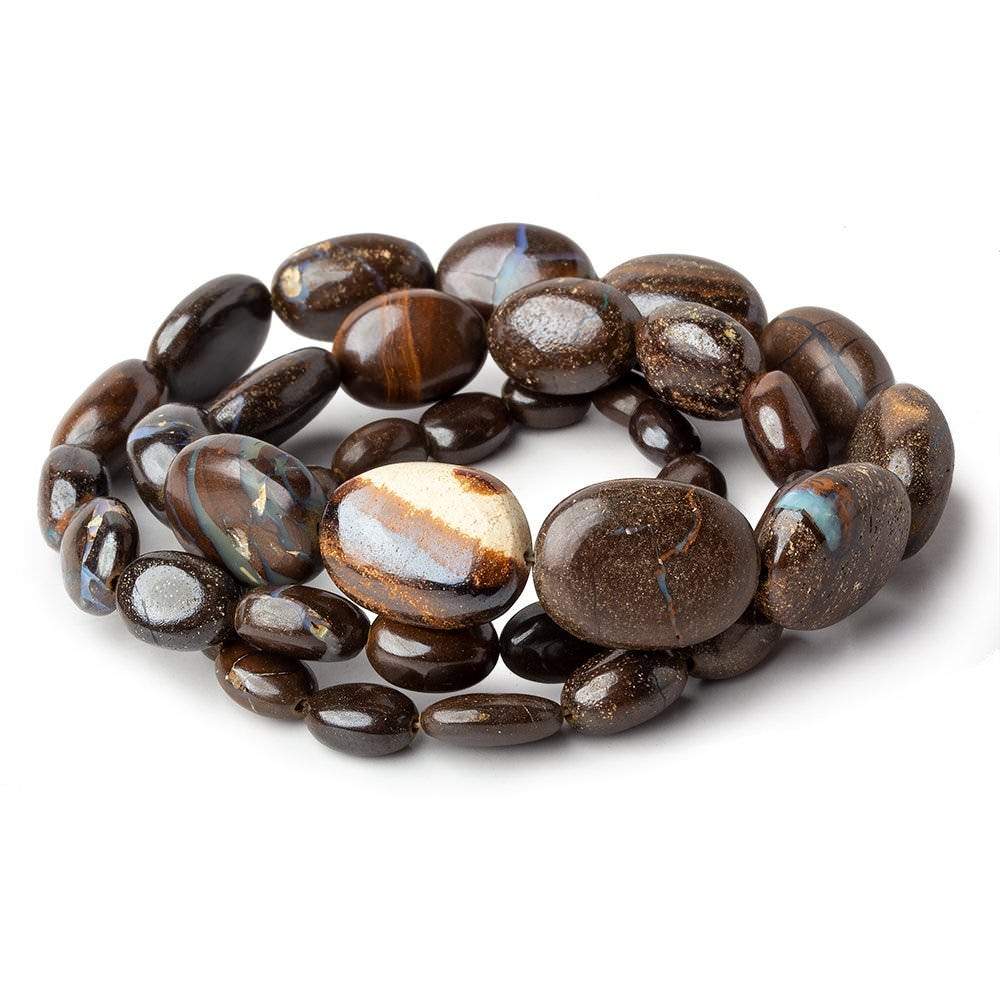
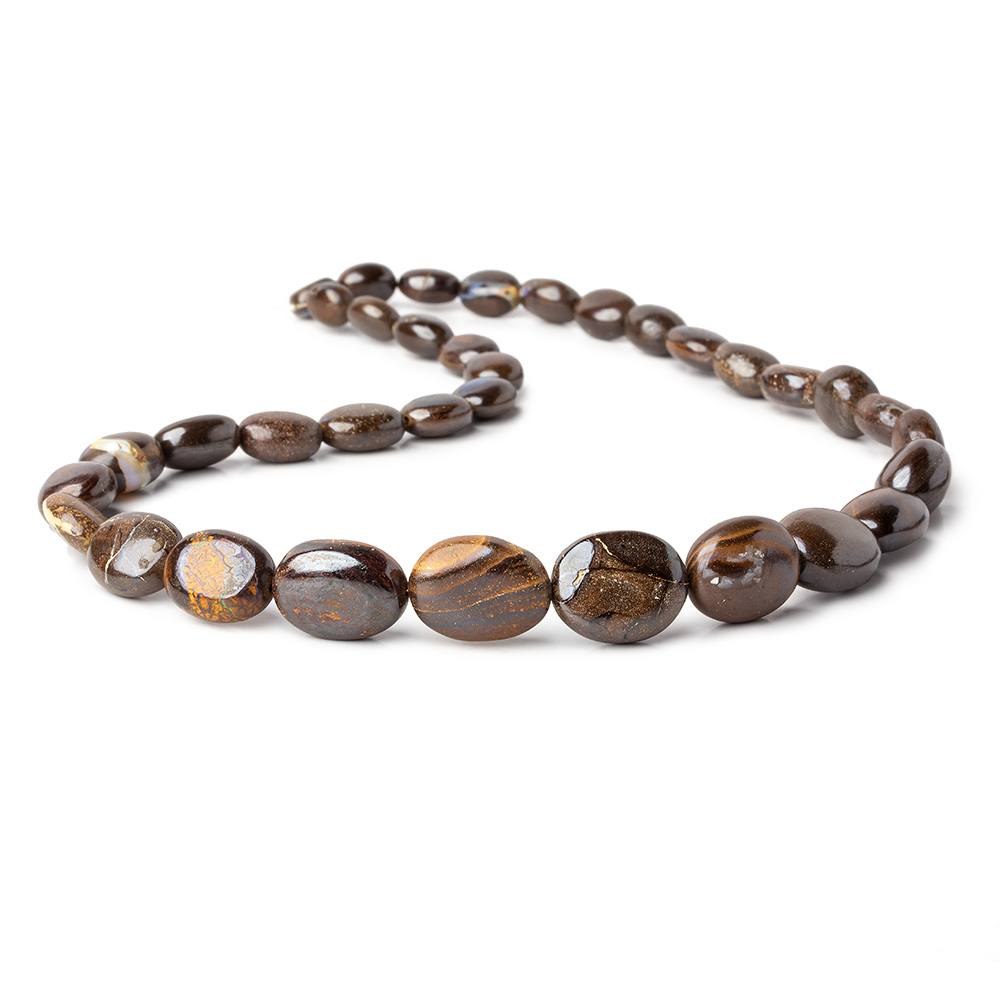
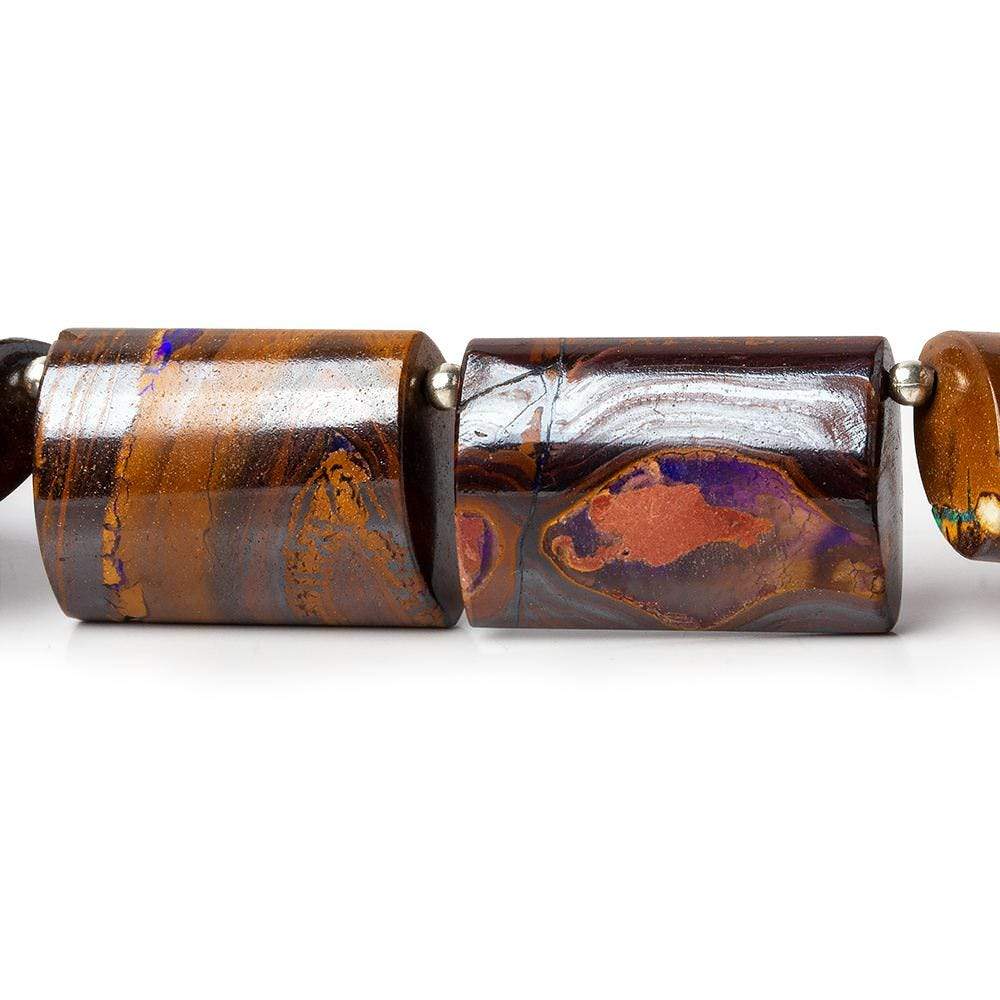
Boulder opal forms inside ironstone boulders in Queensland, Australia. Over millions of years, silica-rich water seeped into cracks in the rock and slowly hardened into precious opal. Cutters shape the stone so the opal stays fused to its ironstone host. That dark backing is what makes the colors look so bright.
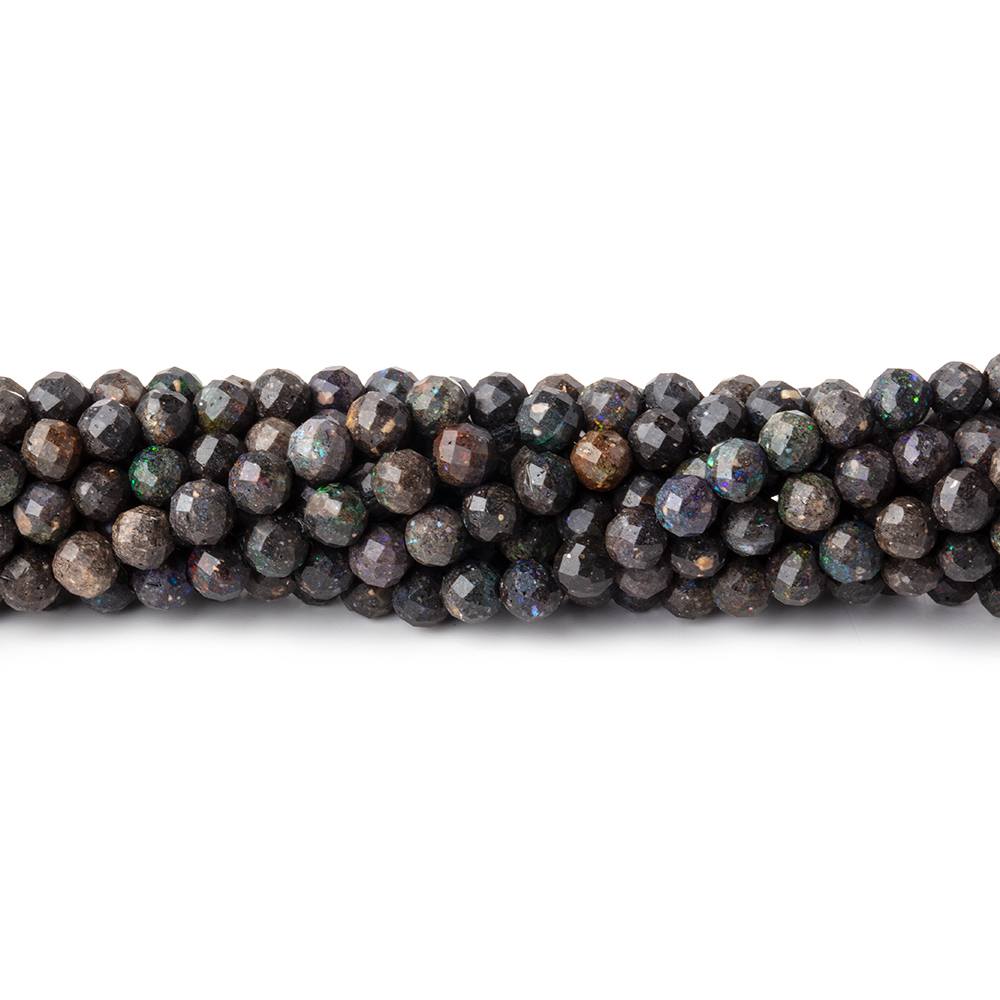
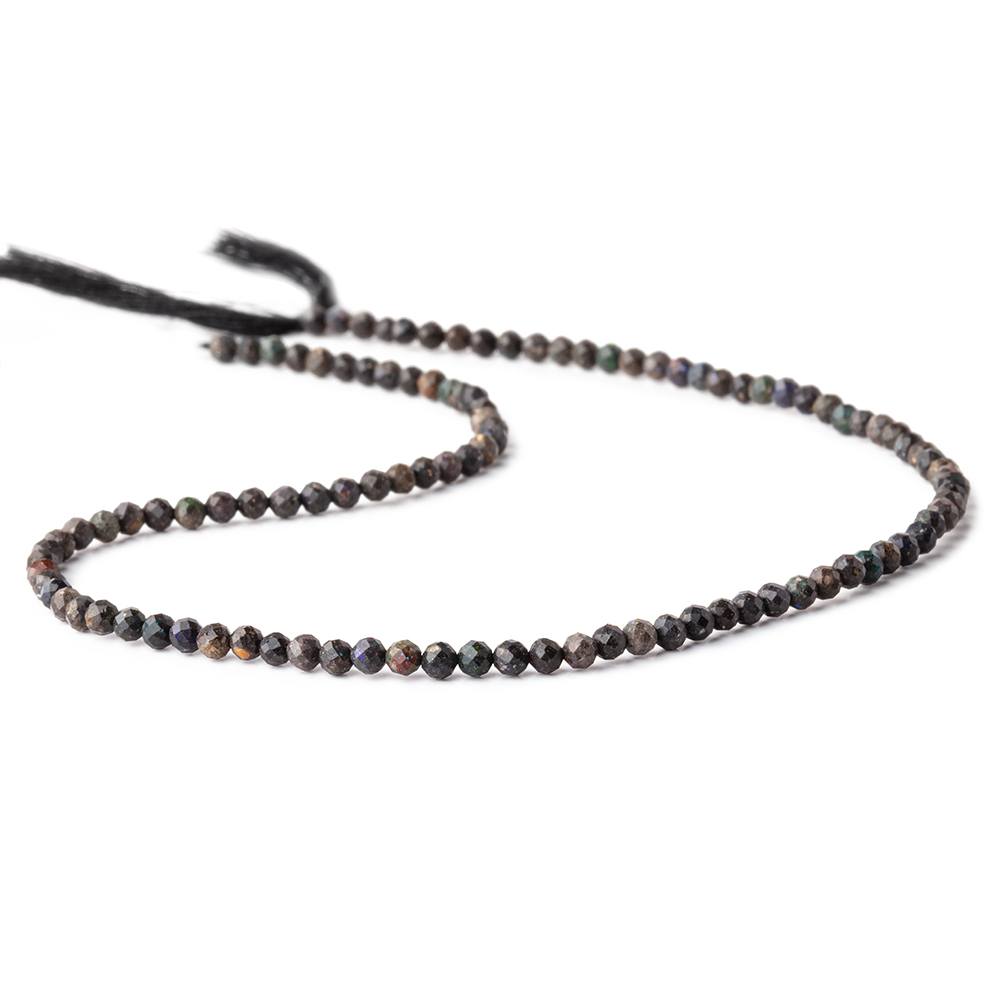
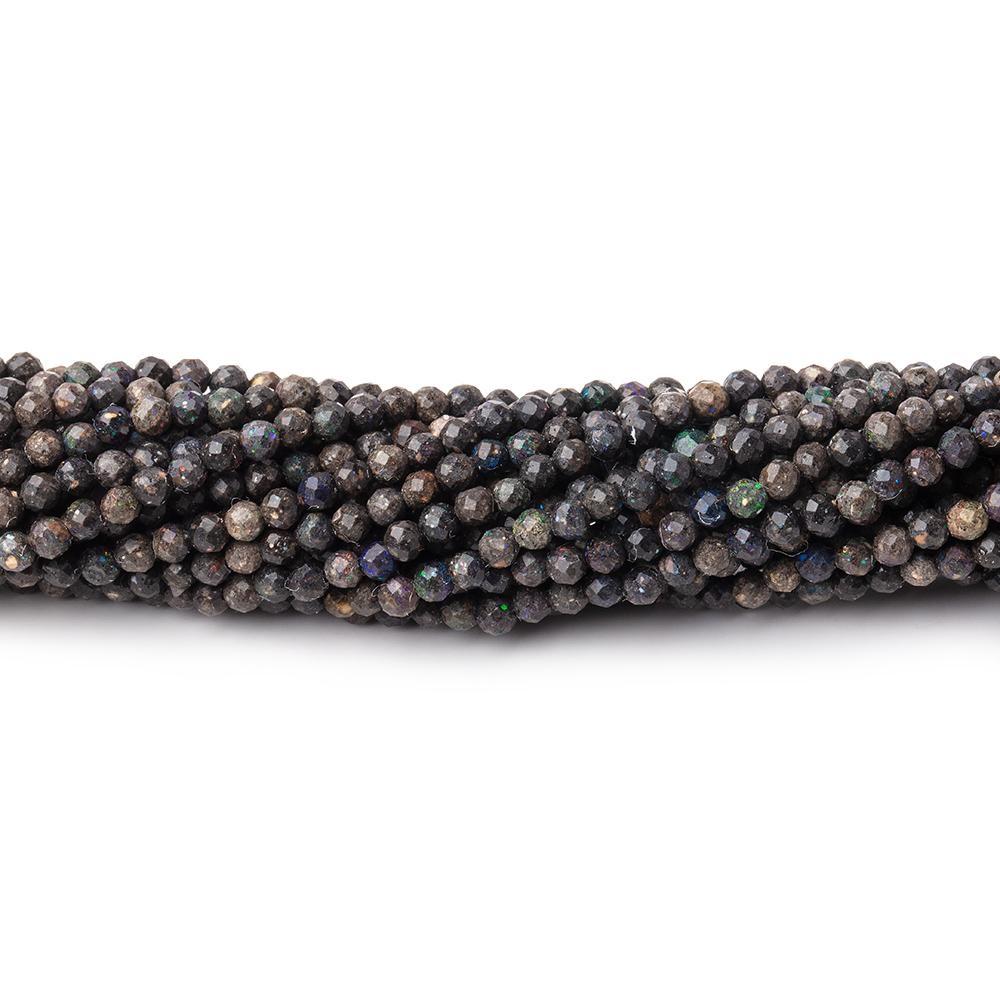
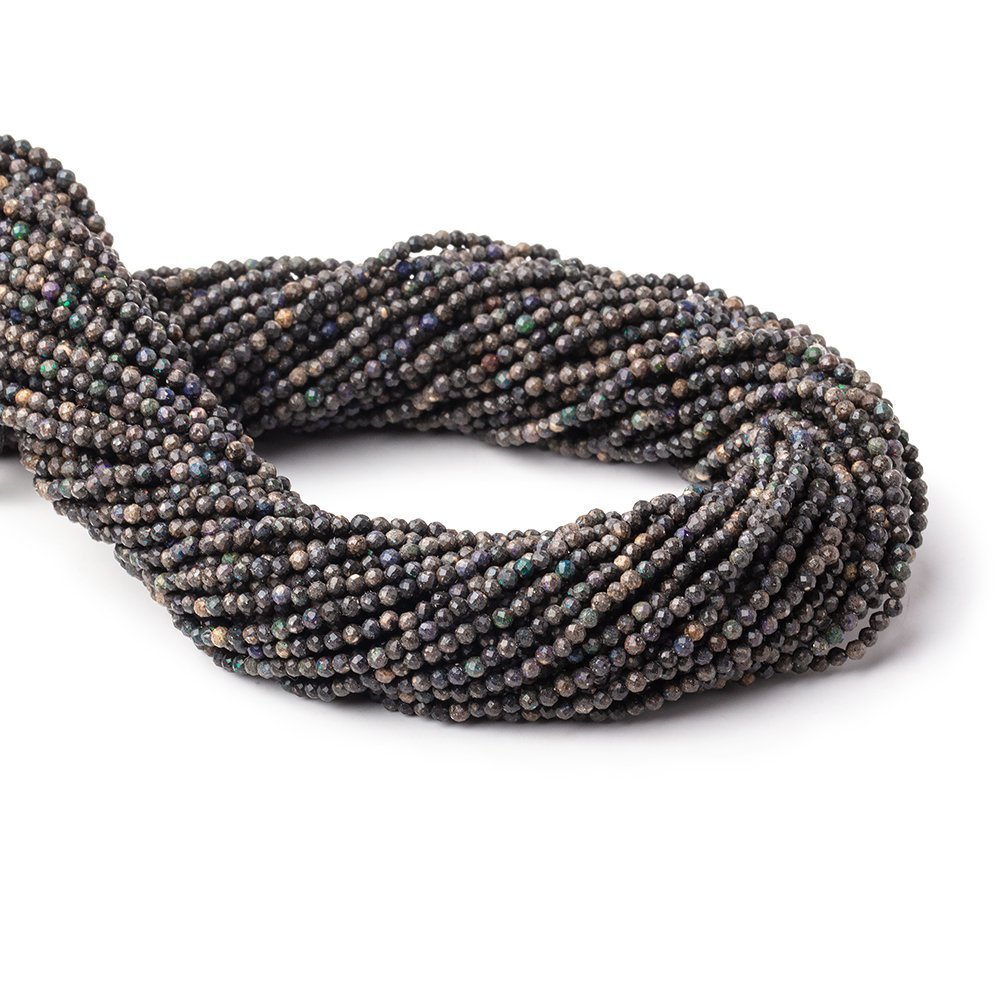
You will also see the term boulder matrix opal. Here, the opal spreads through the ironstone in fine veins and specks instead of one seam. Our micro-faceted rounds show this look well. Well-known fields include Quilpie, Winton, Yowah, and Koroit. Yowah and Koroit stones are loved for their swirling opal and ironstone patterns.
Boulder Opal Properties at a Glance
Here are the key properties of boulder opal gemstone material, so you know what you are working with.
|
Property |
Details |
|
Material |
Precious opal (hydrated silica) on ironstone |
|
Hardness |
5.5 to 6.5 on the Mohs scale |
|
Look |
Opaque brown, grey, or tan matrix with flashes of color |
|
Play of color |
Blue, green, purple, orange, and red |
|
Main source |
Queensland, Australia |
|
Birthstone |
October |
Why the Color Looks So Bold
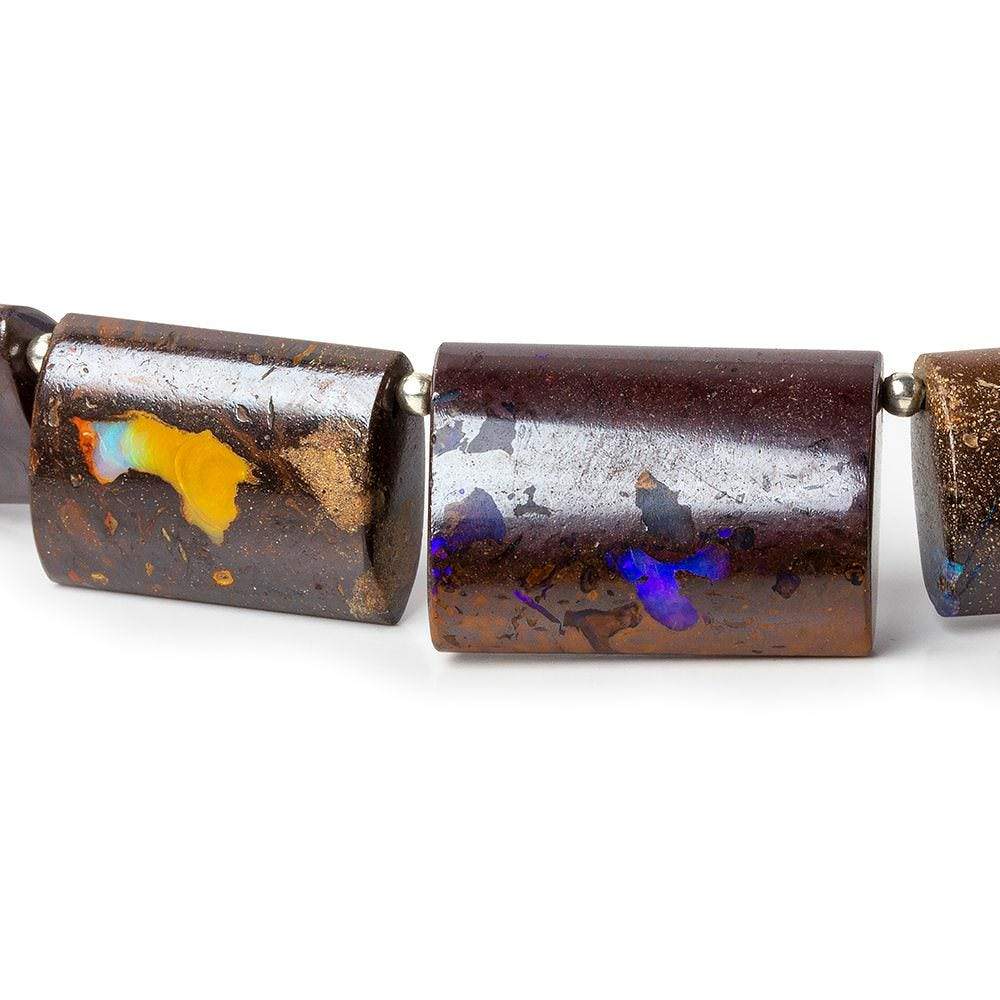
Opal is built from tiny silica spheres stacked in neat rows. When light passes through them, it splits into flashes of color that gemologists call play of color. In boulder opals, the dark ironstone absorbs stray light, so the blues and greens pop. No two strands you order from us will look alike, and that is part of the charm.
Shop Our Shapes and Sizes
We stock boulder opal in five formats:
-
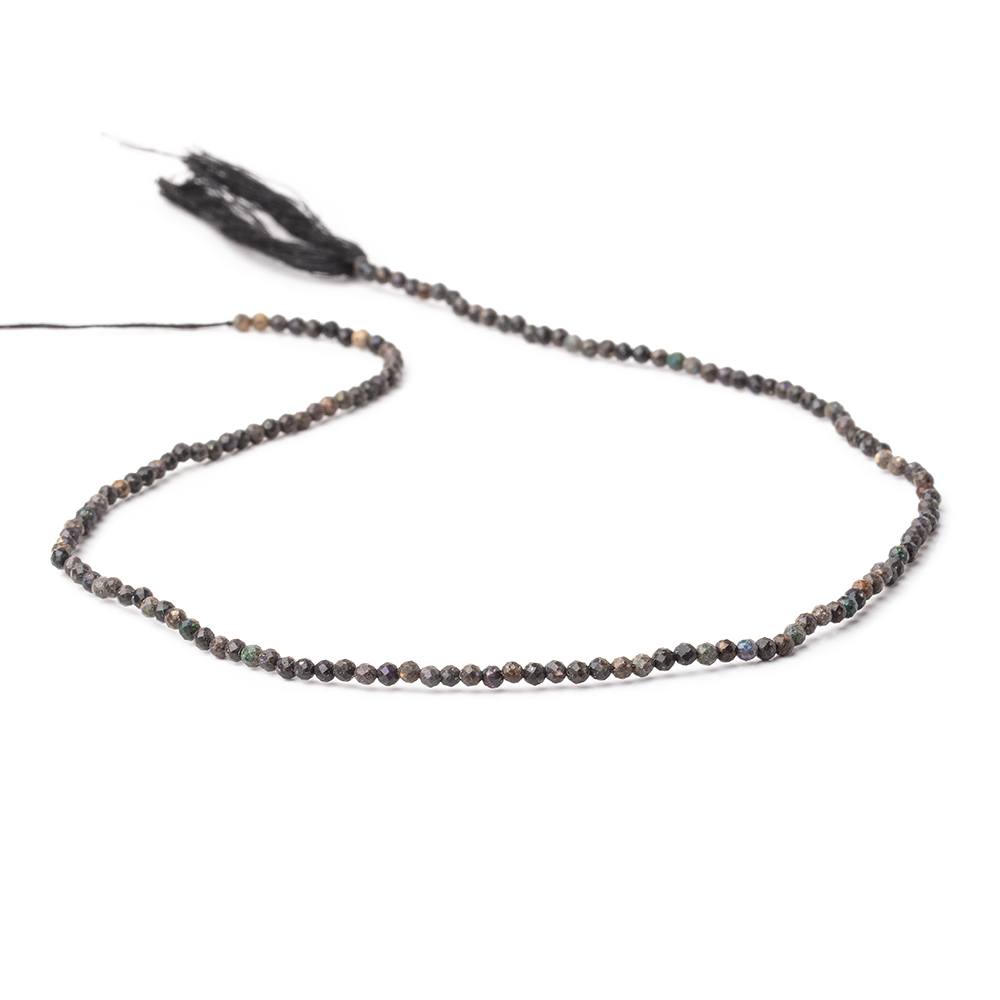
Micro faceted rounds (2.2mm and 3mm): Tiny beads that mix brown matrix with sparks of opal fire. Great as spacers or for delicate stacking bracelets.
-
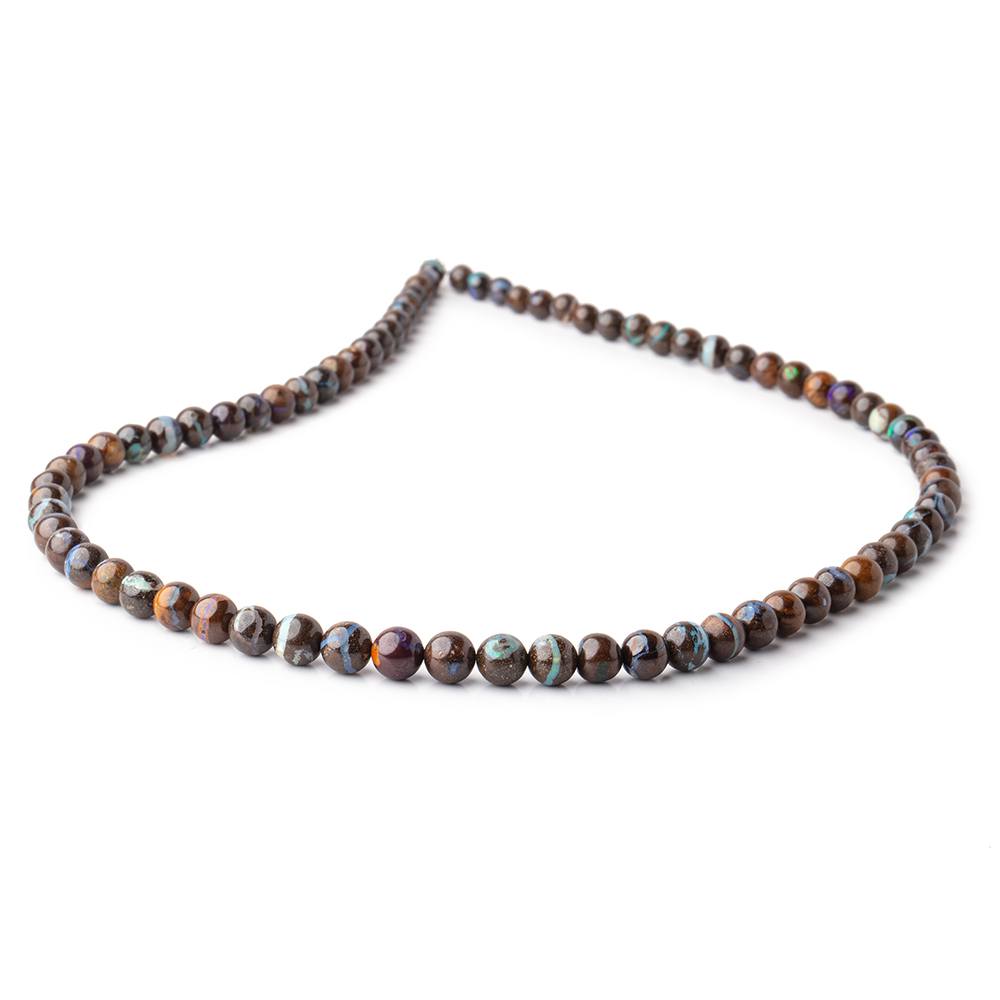
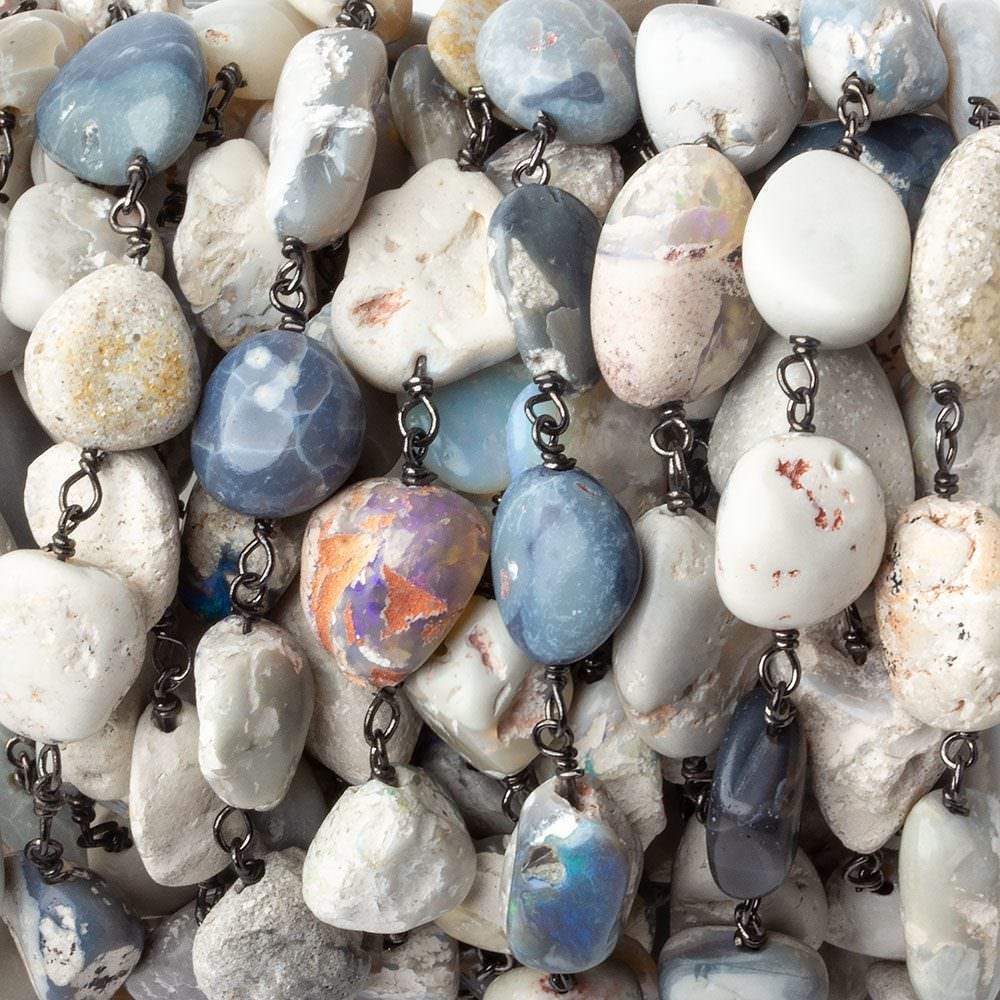
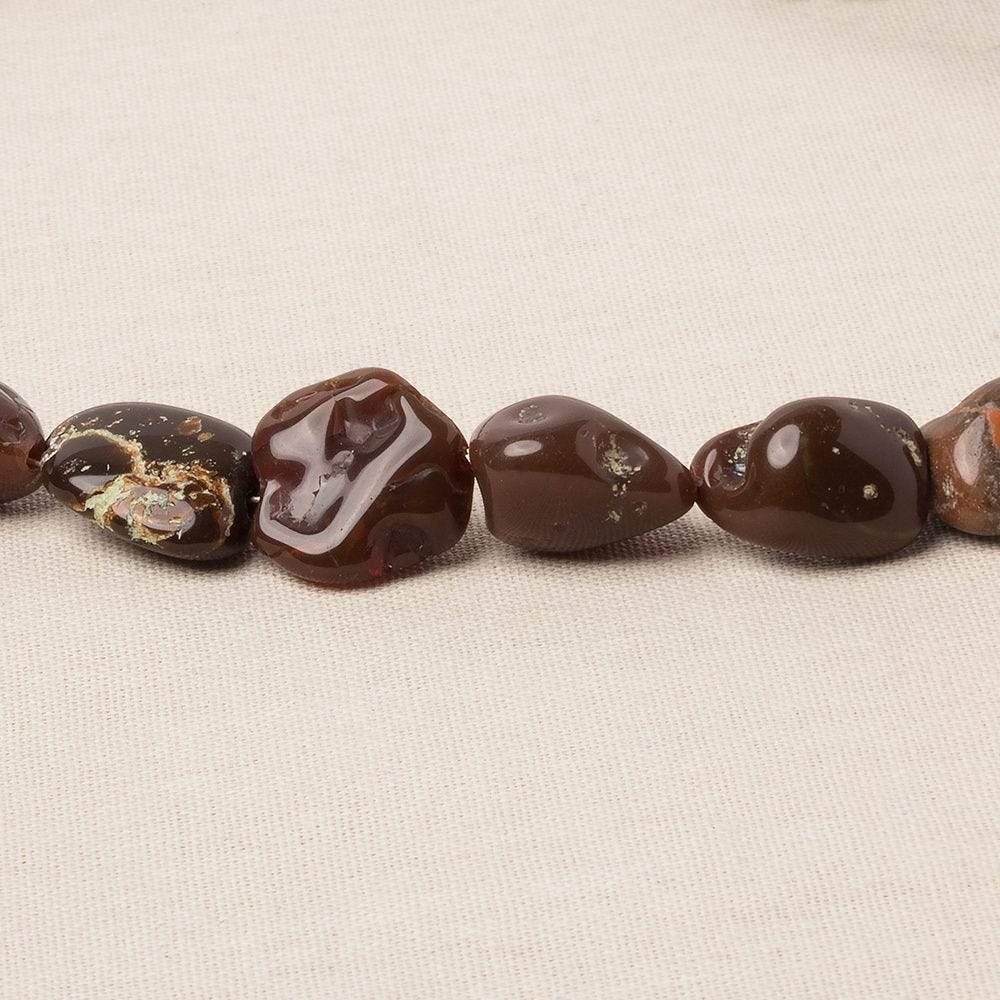
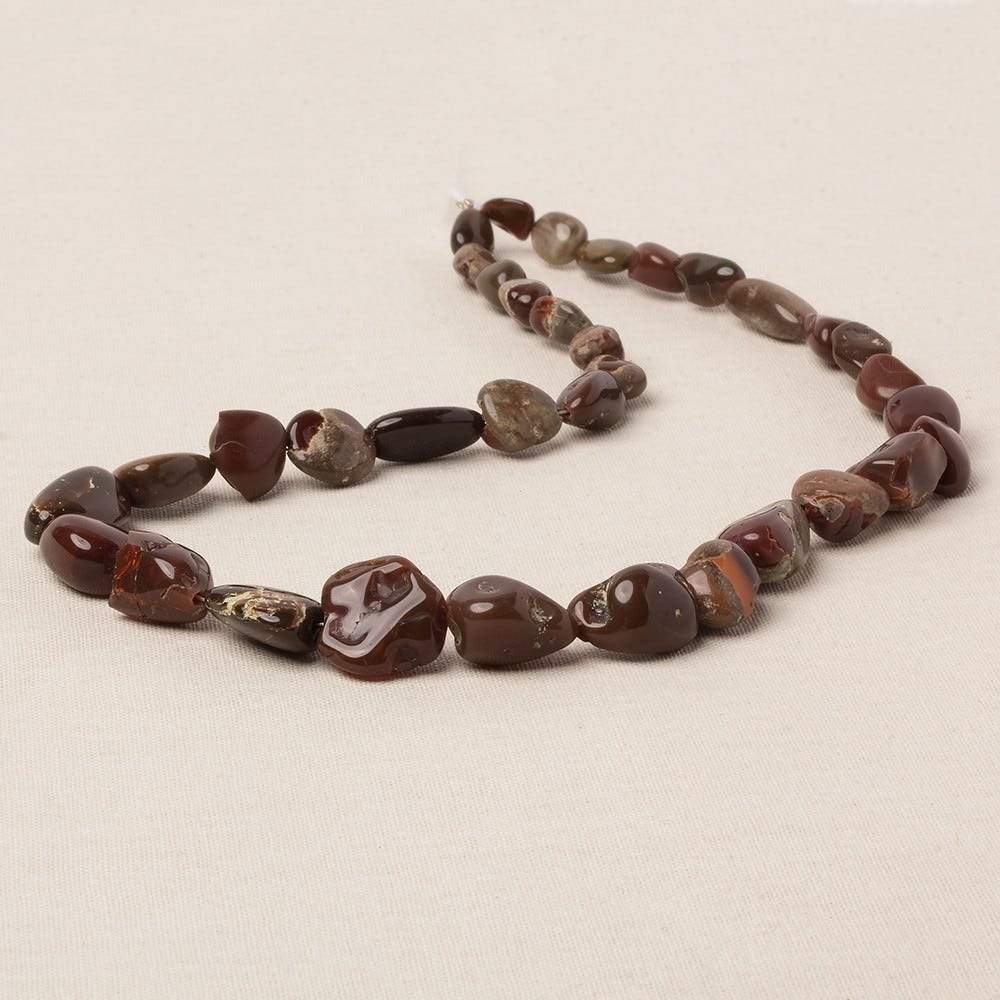
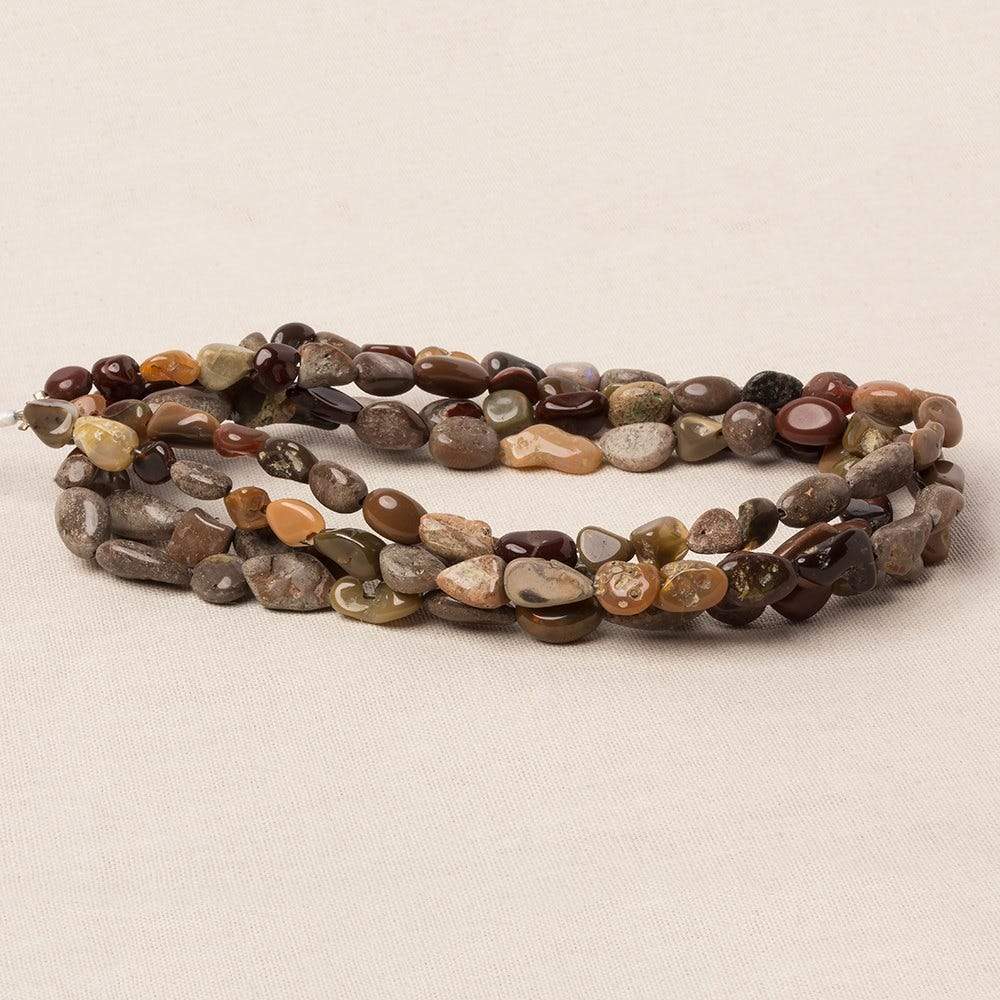
Plain nuggets (9mm to 17mm): Organic shapes in brown, grey, blue, cream, and tan. Ideal for necklaces and chunky bracelets.
-
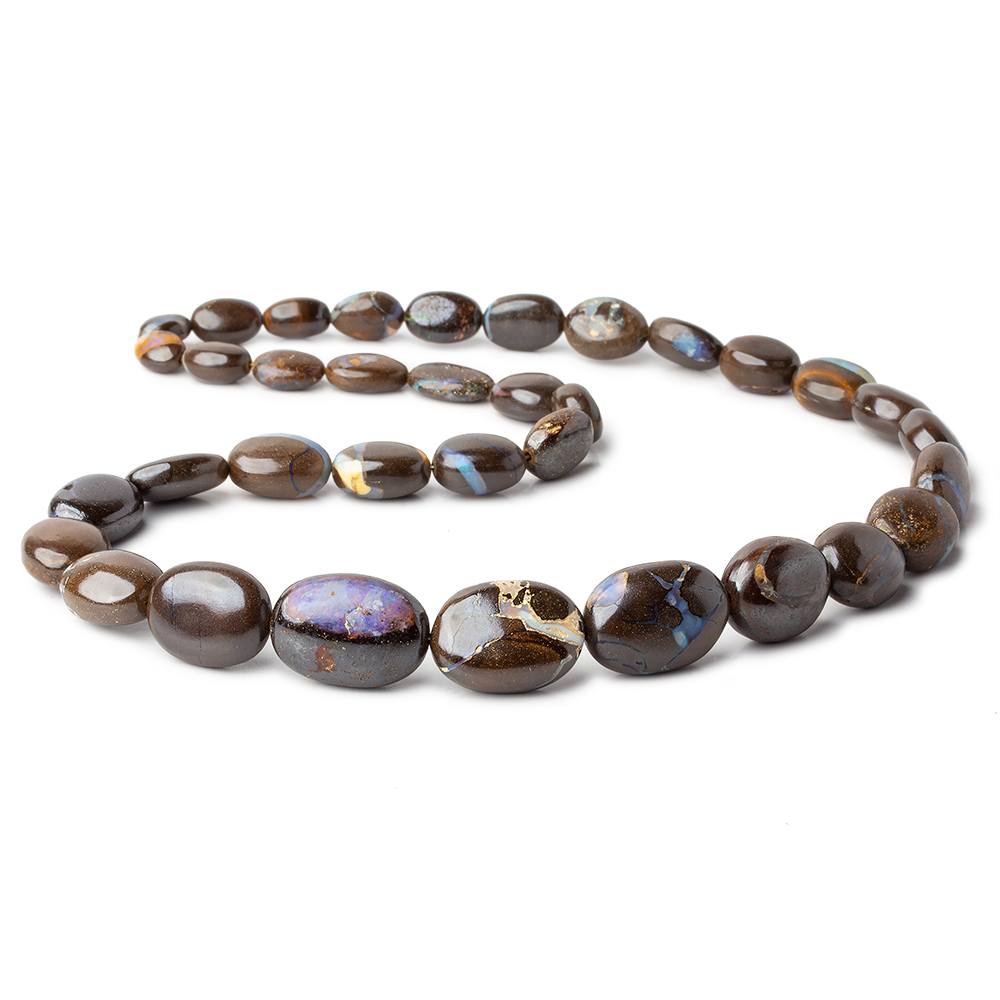
Plain ovals (8mm to 18mm): Polished ovals with a chocolate brown matrix and periwinkle blue flashes.
-
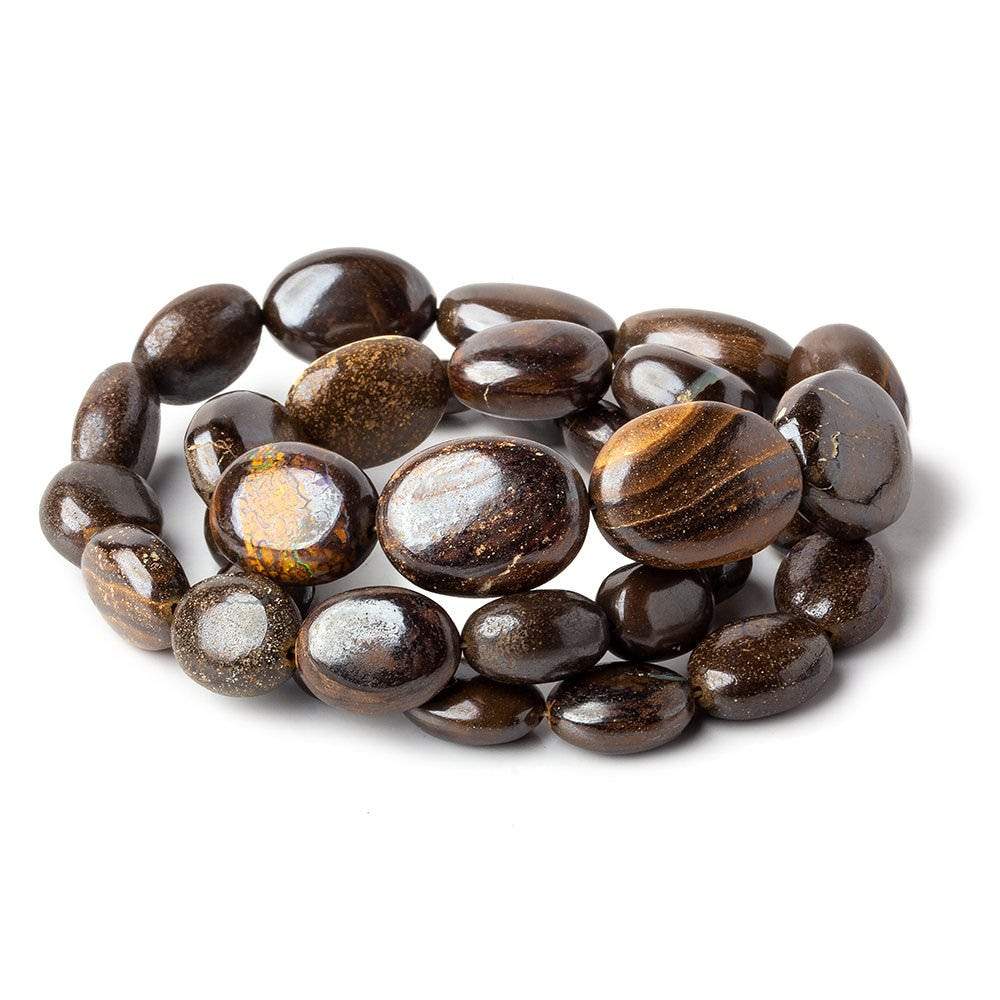
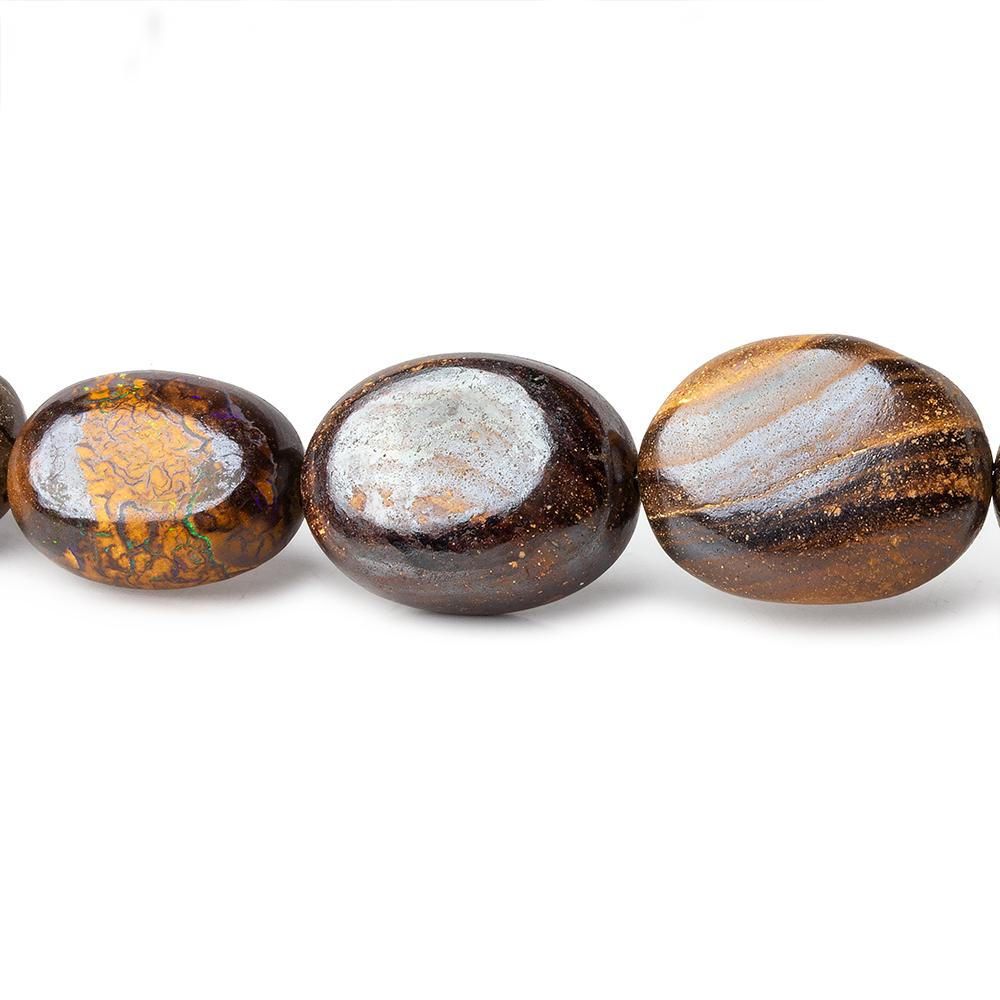
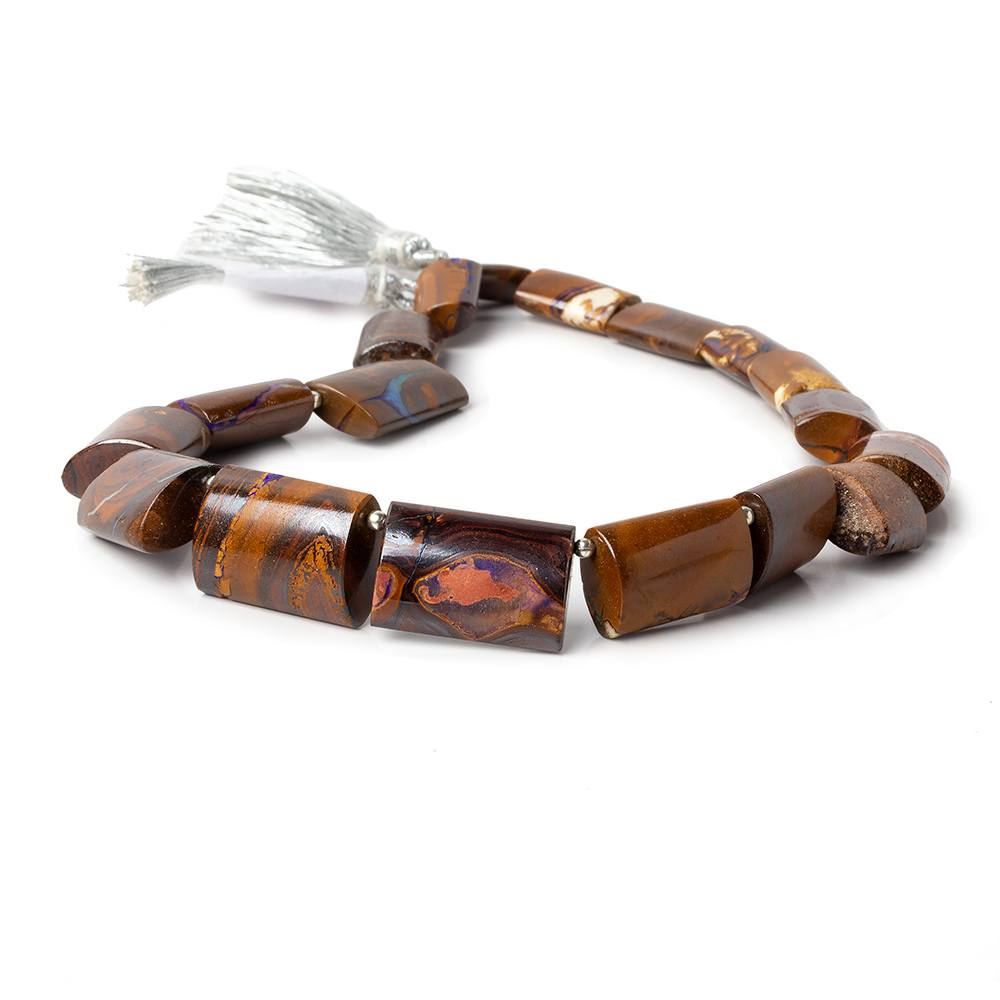
Oval tube beads (11.5mm to 23.5mm): One-of-a-kind collector strands for a true centerpiece.
-
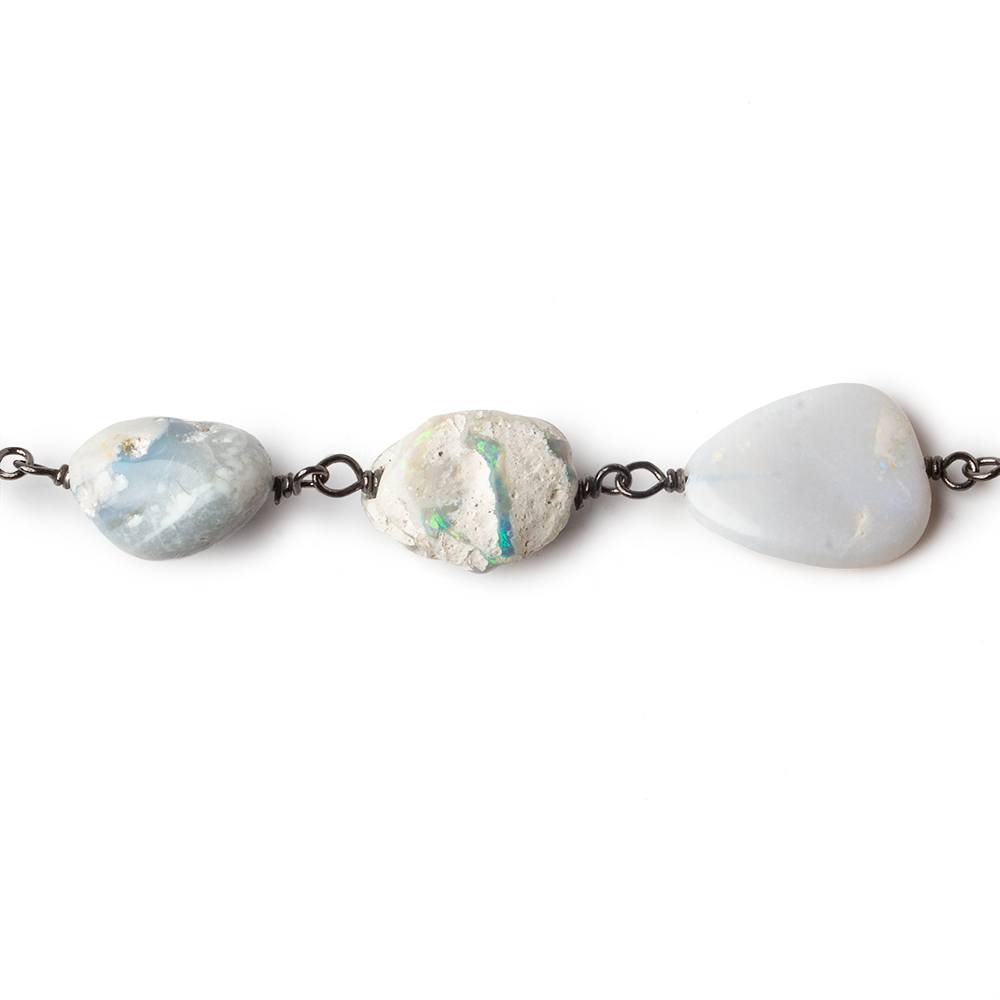
Nugget chain by the foot: Hand-wrapped boulder opal on black gold-plated .925 silver, ready for necklaces or layering.
Every listing shows the size, strand length, bead count, and grade (A or AA), so you can compare strands before you buy.
How to Choose Your Boulder Opal Beads
-
Look at the color spread. Flashes that reach across the bead look richer than one small spot.
-
Check the matrix tone. Chocolate brown gives the strongest contrast. Grey and tan read softer.
-
Match size to the job. Use micro rounds for spacers, nuggets for bracelets, and ovals or tubes as focal strands.
-
Expect variety. Natural ironstone means each bead is a little different. That is a sign of a natural stone.
-
Watch trade names. Green “African boulder opal” is usually a jasper, not opal. Ours are Australian boulder opal.
What Affects the Price?
Price depends on color strength, bead size, and how much of each bead shows opal. Cutting strands also wastes a lot of rough. Each bead must be shaped and then drilled, and some crack along the way. That is why you will pay more for bright, well-matched strands.
Designing With Boulder Opals
Boulder opals look stunning next to warm gold, black gold, or sterling silver. Pair them with pearls, smoky quartz, or our Ethiopian opal beads for a full opal palette. Because opal is softer than quartz, we suggest pendants, earrings, and necklaces over rings that take daily knocks.
Boulder Opal Meaning and Beliefs
Many crystal lovers believe boulder opal's metaphysical properties include creativity, emotional balance, and calm. Some also link it to grounding, thanks to its ironstone base. These ideas come from tradition, not science. You can read more in our opal meaning guide.
Caring for Your Boulder Opal Jewelry
-
Wipe beads with a soft cloth, lukewarm water, and mild soap.
-
Skip ultrasonic and steam cleaners.
-
Keep pieces away from harsh chemicals, perfume, and sudden heat.
-
Store each piece in its own soft pouch to prevent scratches.
-
Take jewelry off before the gym, the pool, or cleaning.
Why Buy Boulder Opal Beads From Beads of Cambay?
When you buy boulder opal gemstone beads from us, you see exactly what you get. We photograph and describe each strand with its real size, length, count, and grade. Our team sources gemstone beads for designers, jewelry makers, and wholesale buyers. Have a question about a strand? Contact us, and we will help you choose.
Frequently Asked Questions
Is Boulder Opal Real Opal?
Yes. Every strand we sell is natural precious opal that formed inside ironstone. The ironstone backing you see is part of the stone, not an add-on.
Why Are Boulder Opal Beads More Expensive Than Other Gemstone Beads?
Good color is rare, cutting beads wastes much of the rough, and each bead risks cracking when drilled. You are paying for natural opal and careful handwork.
Can You Wear Boulder Opal Every Day?
You can, with a little care. At 5.5 to 6.5 on the Mohs scale, it suits necklaces and earrings best. Remove it for sports and chores.
How Is Boulder Opal Different From Ethiopian Opal?
Boulder opal comes from Australia and keeps its ironstone backing. Ethiopian opal is usually lighter in body color, and much of it can absorb water, so you should keep it dry.
Where Does Boulder Opal Come From?
Almost all of it is mined in western Queensland, Australia, around towns like Quilpie, Winton, and Yowah. Our strands are Australian material.
Hear what customers are saying about our service and products!
We are rated 4.9 out of 5 stars. 3000+ Five-Star Reviews.