
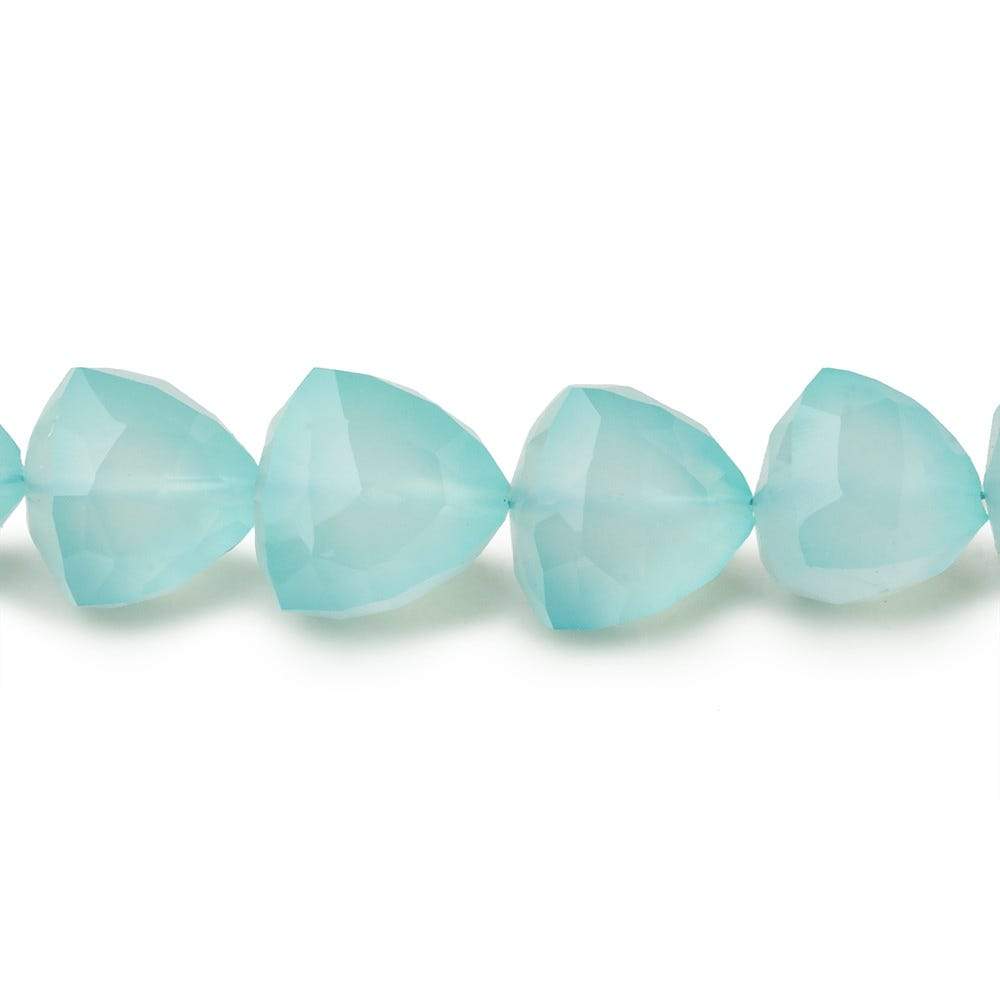
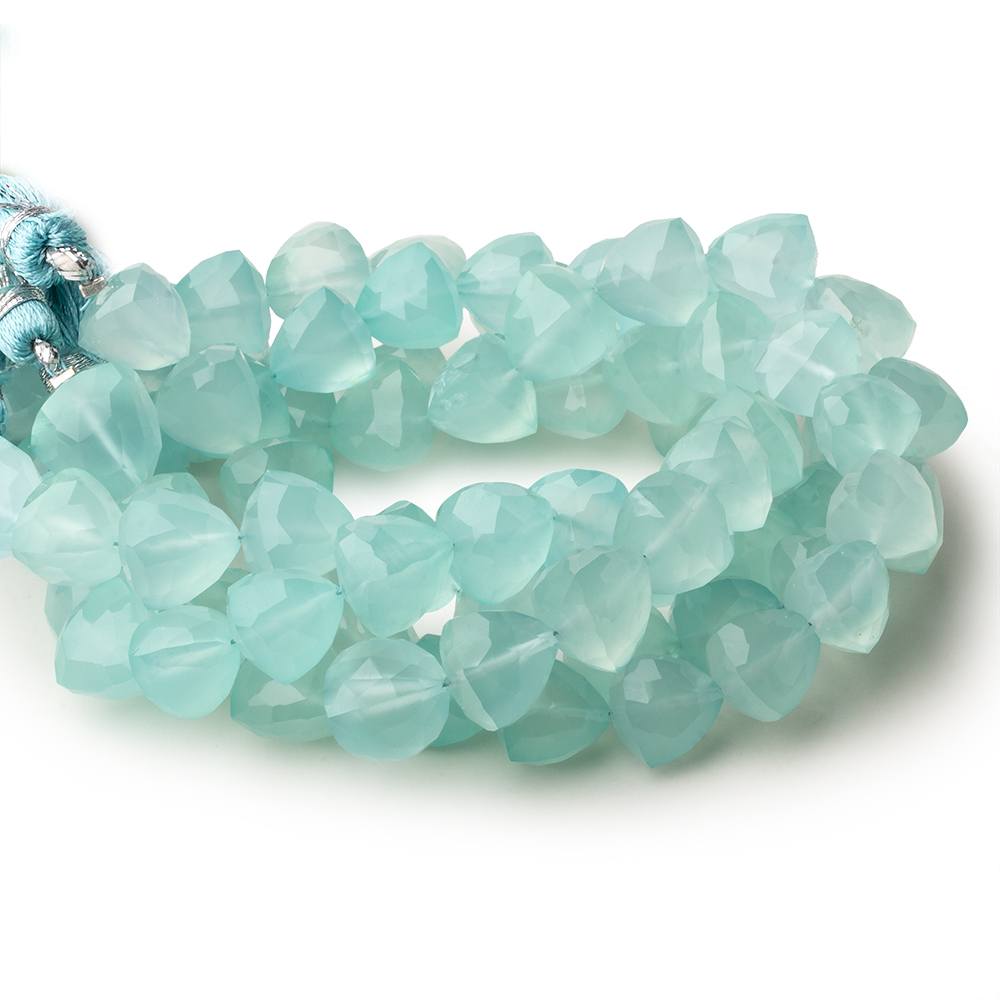
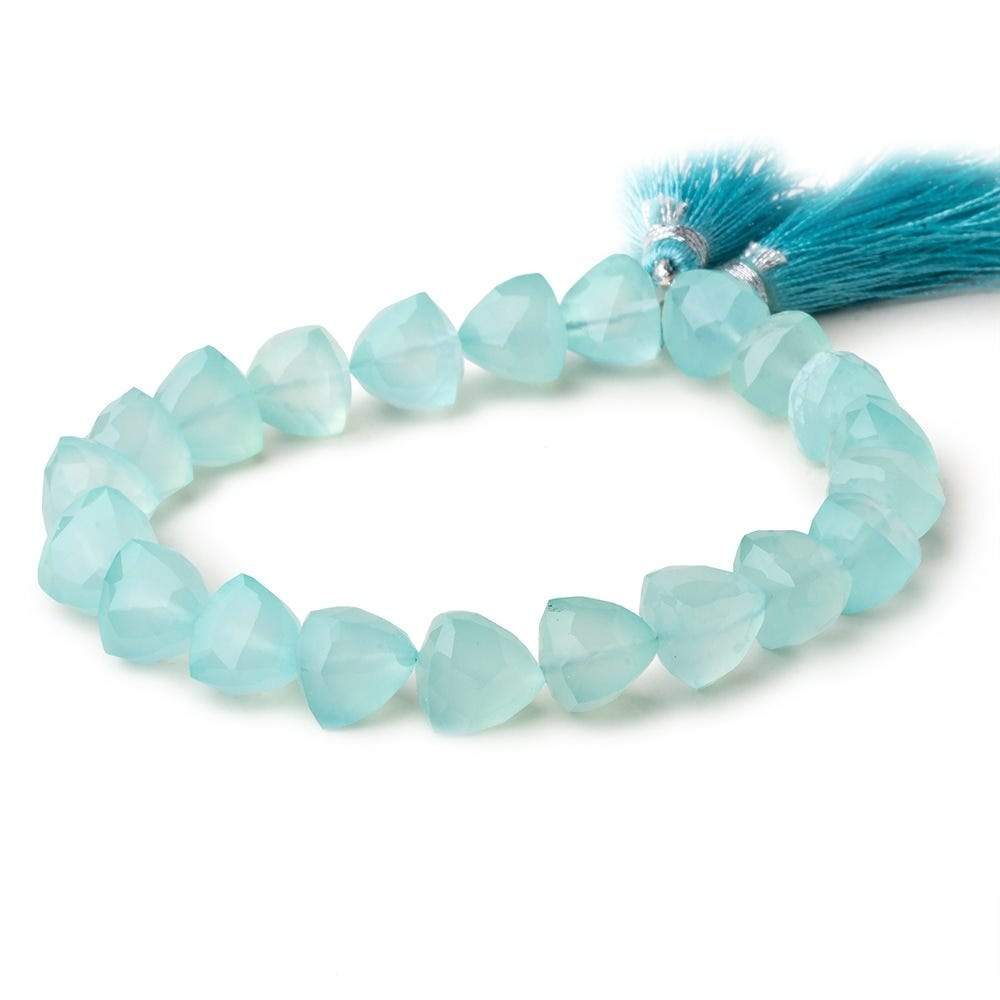
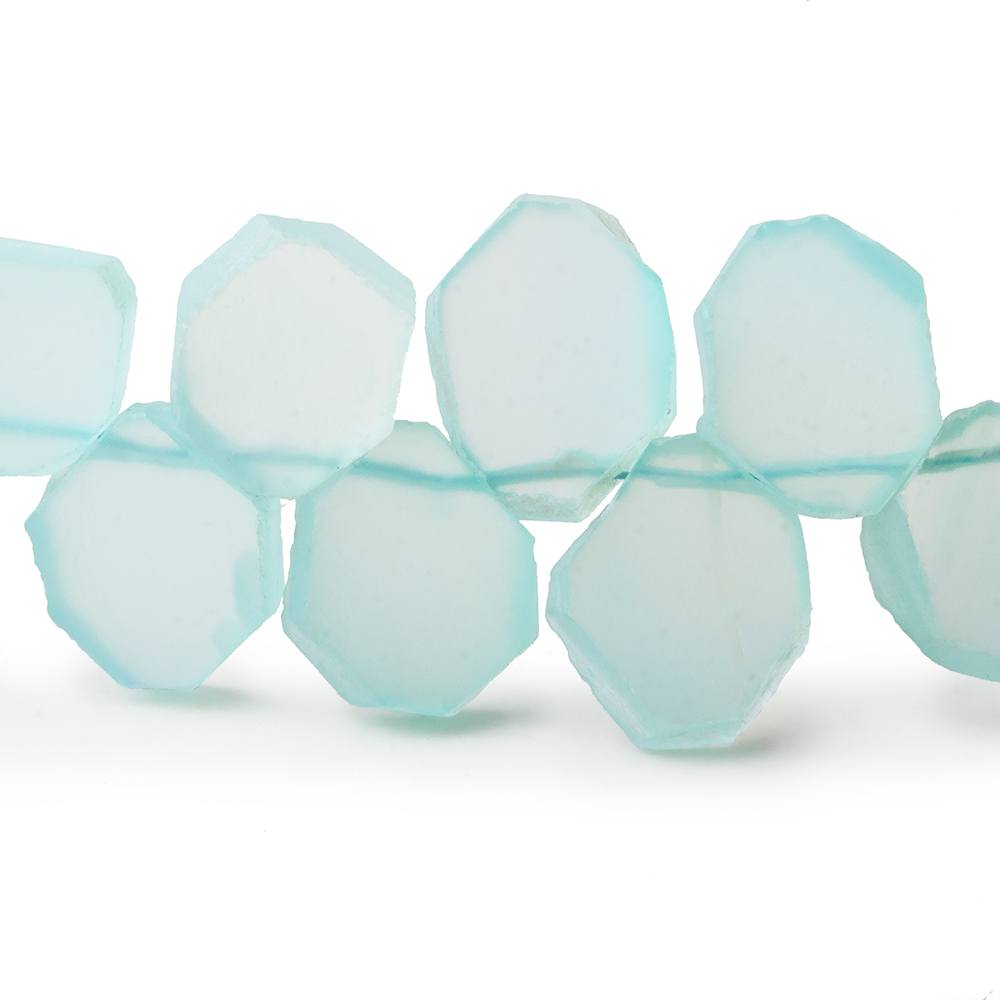
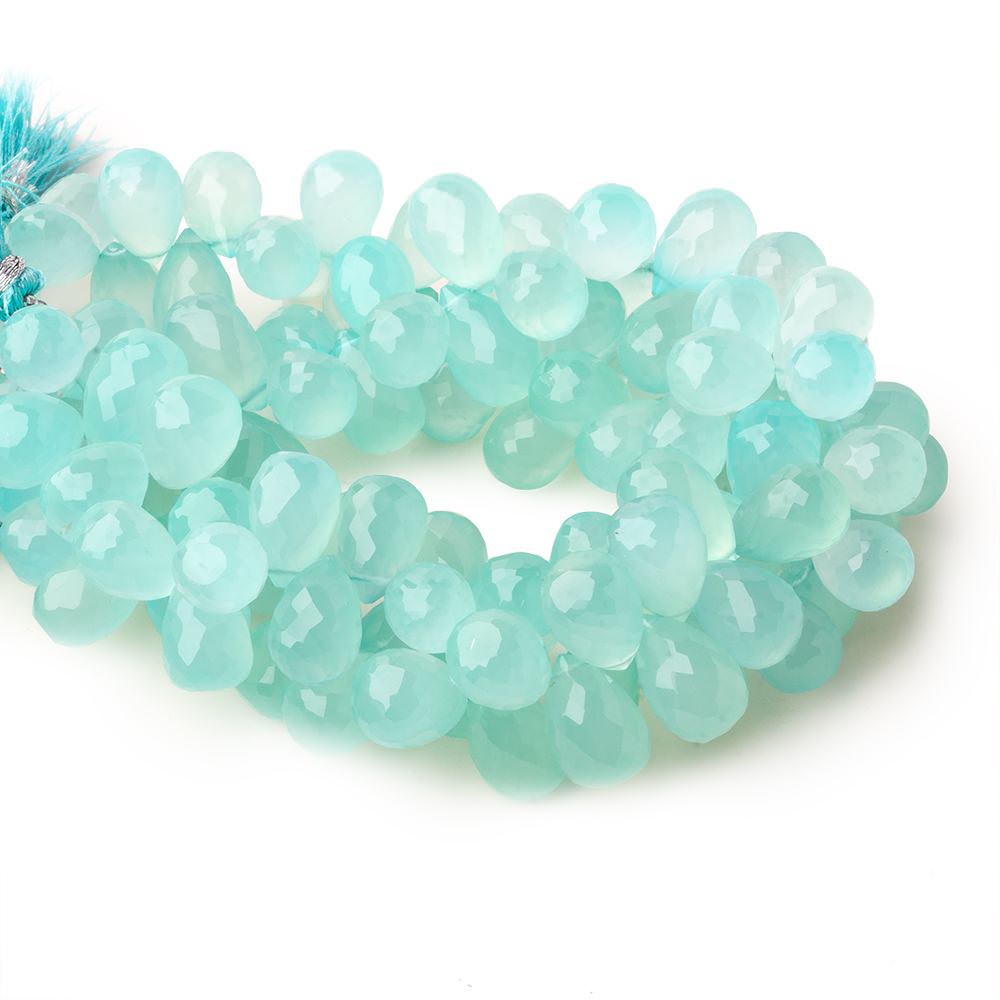
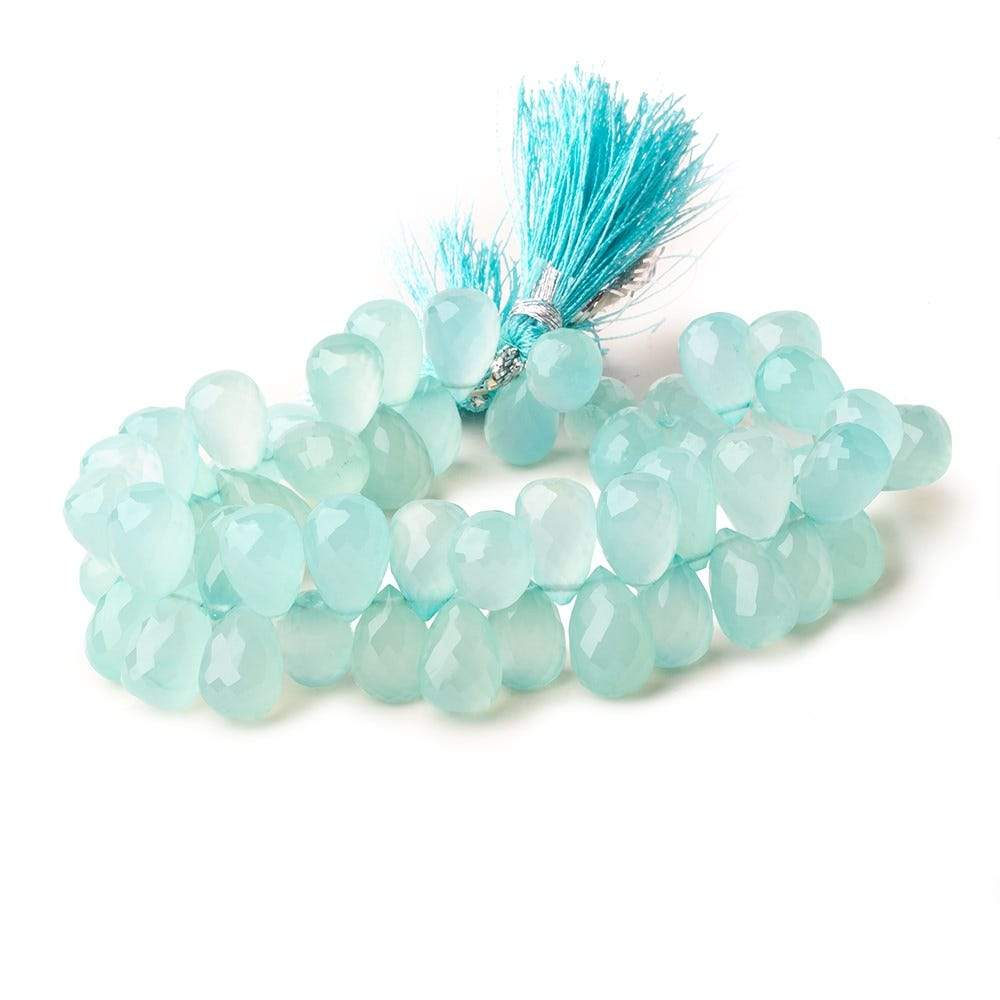
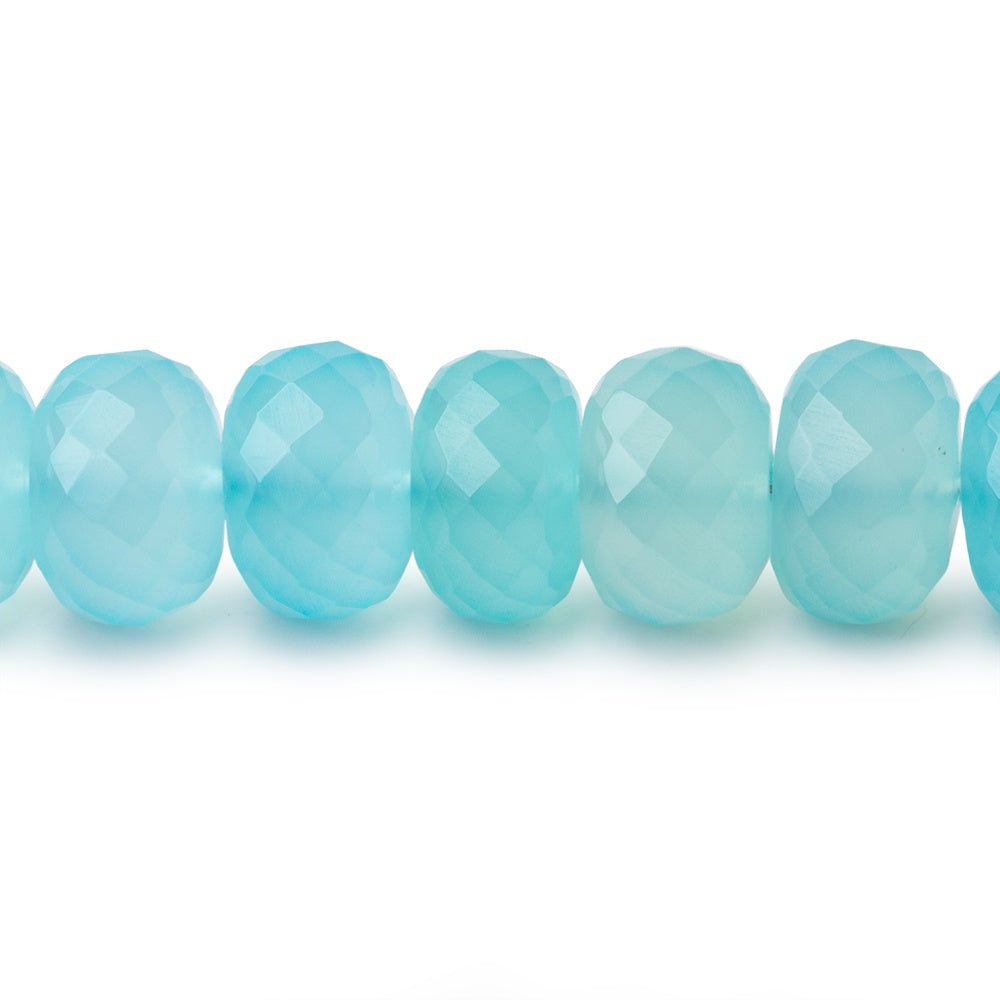
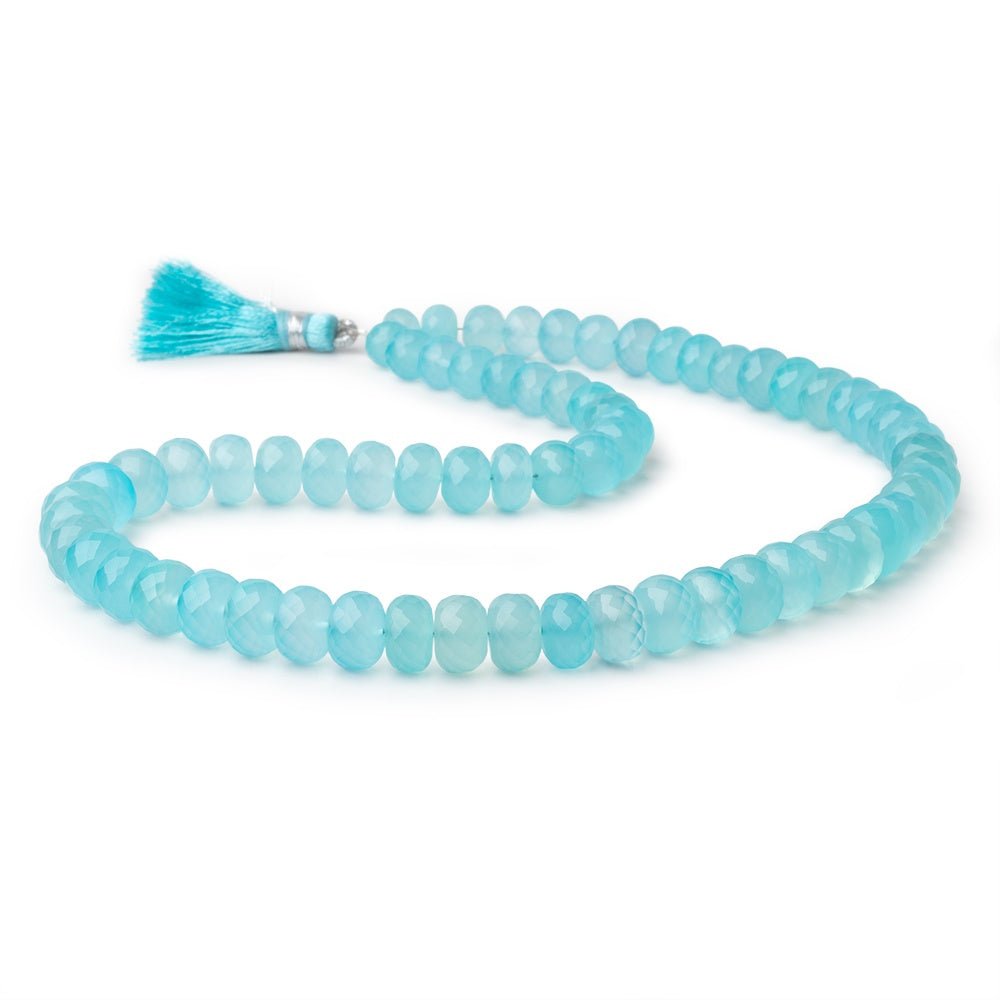
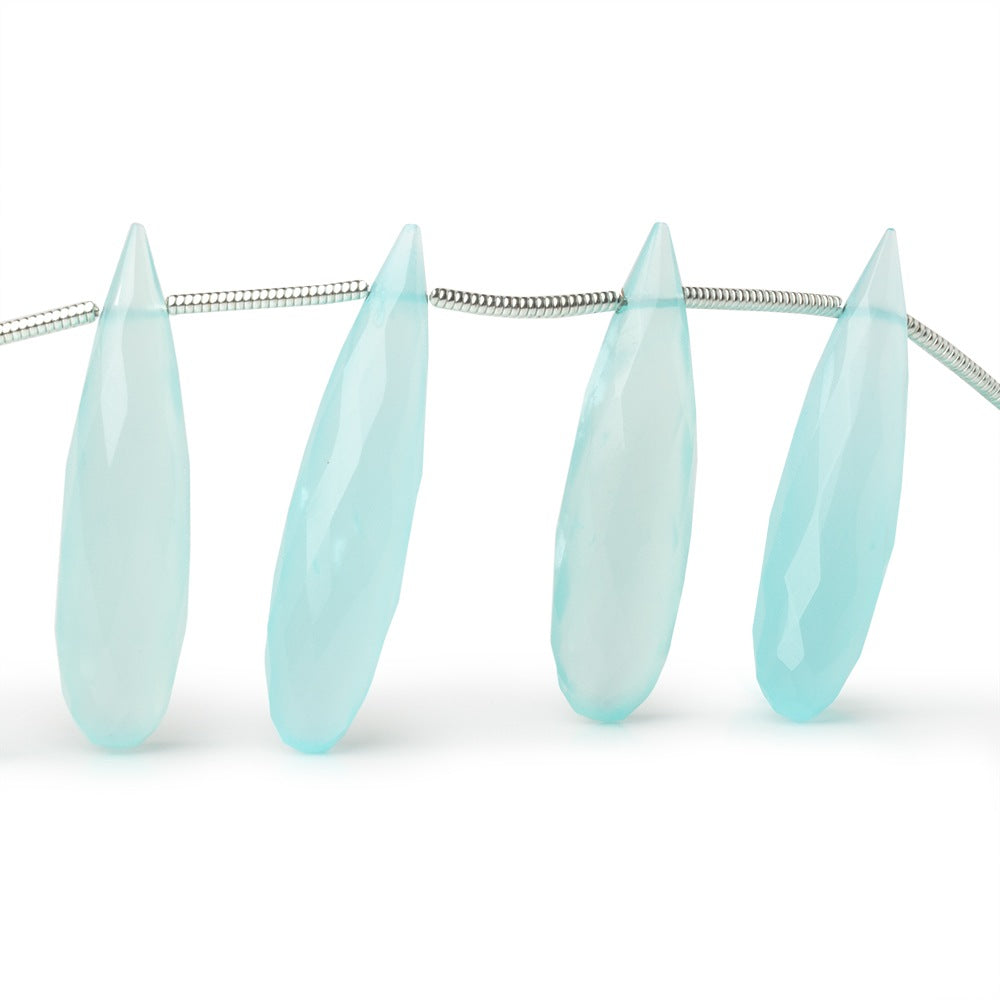
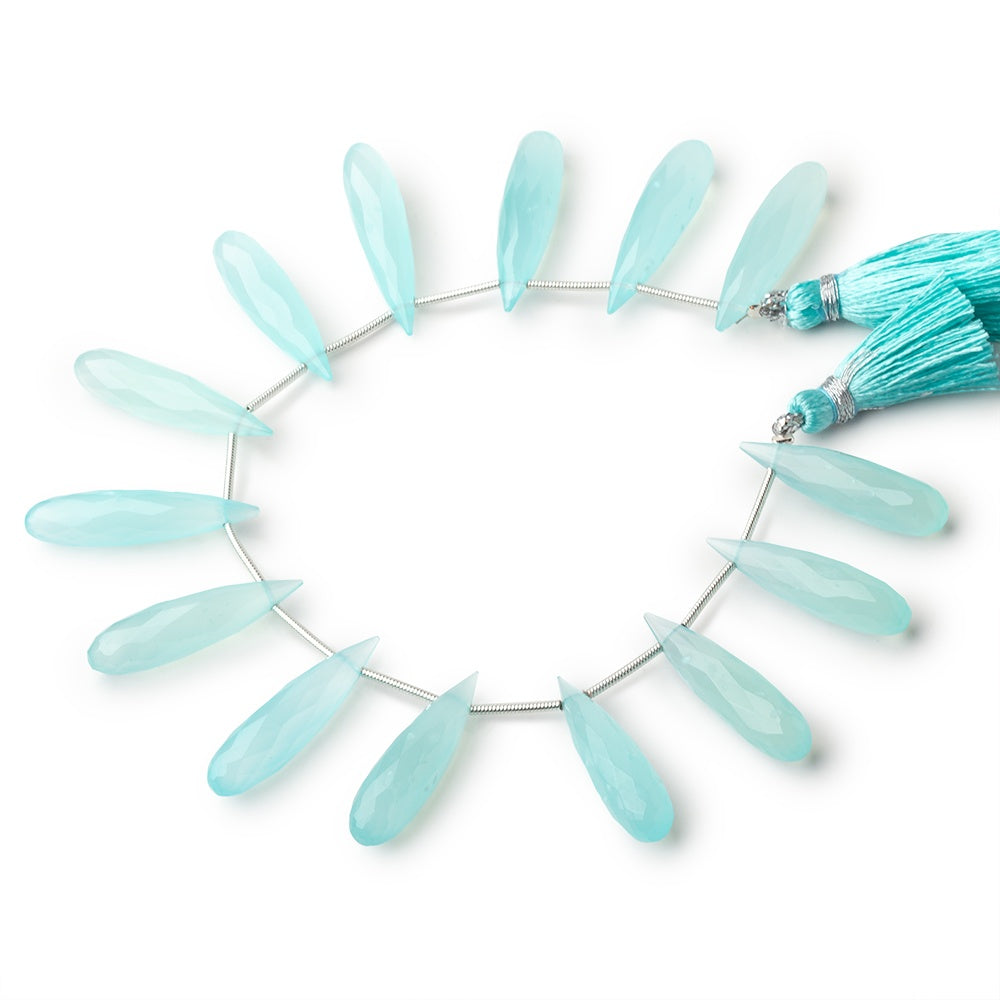
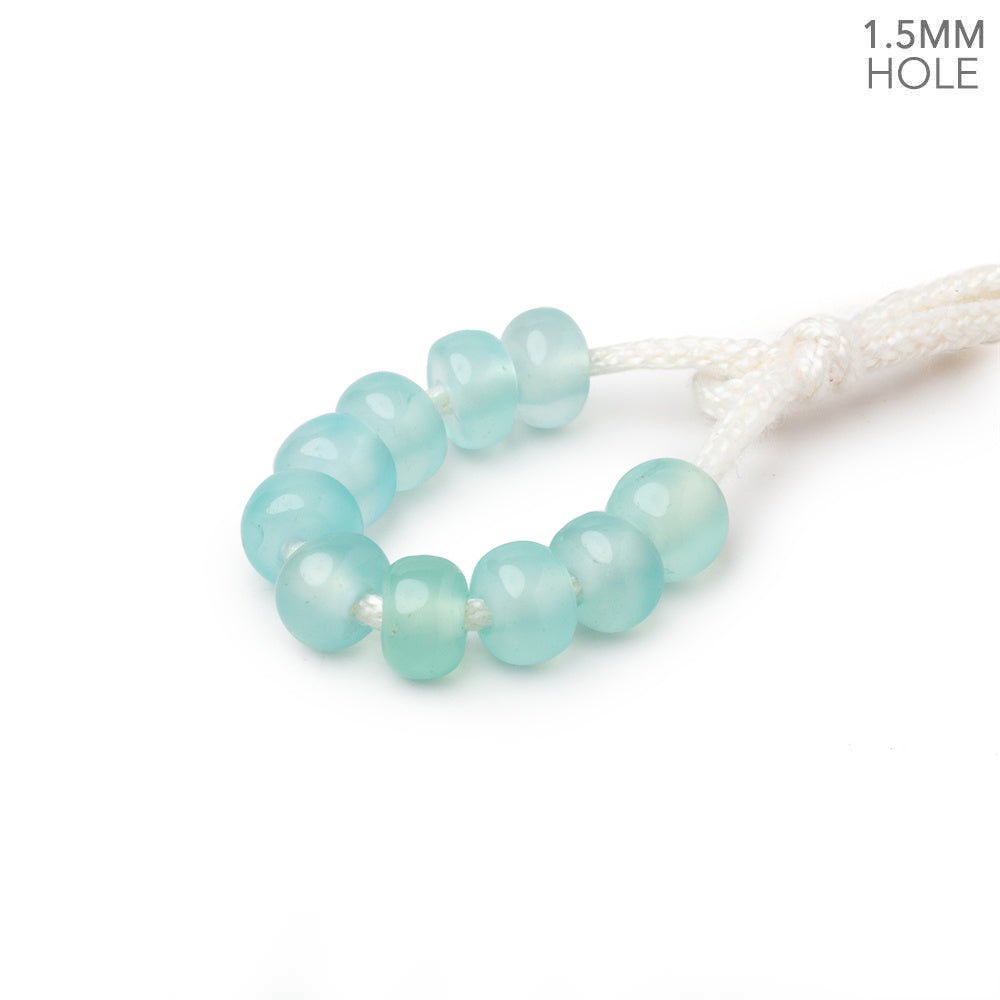
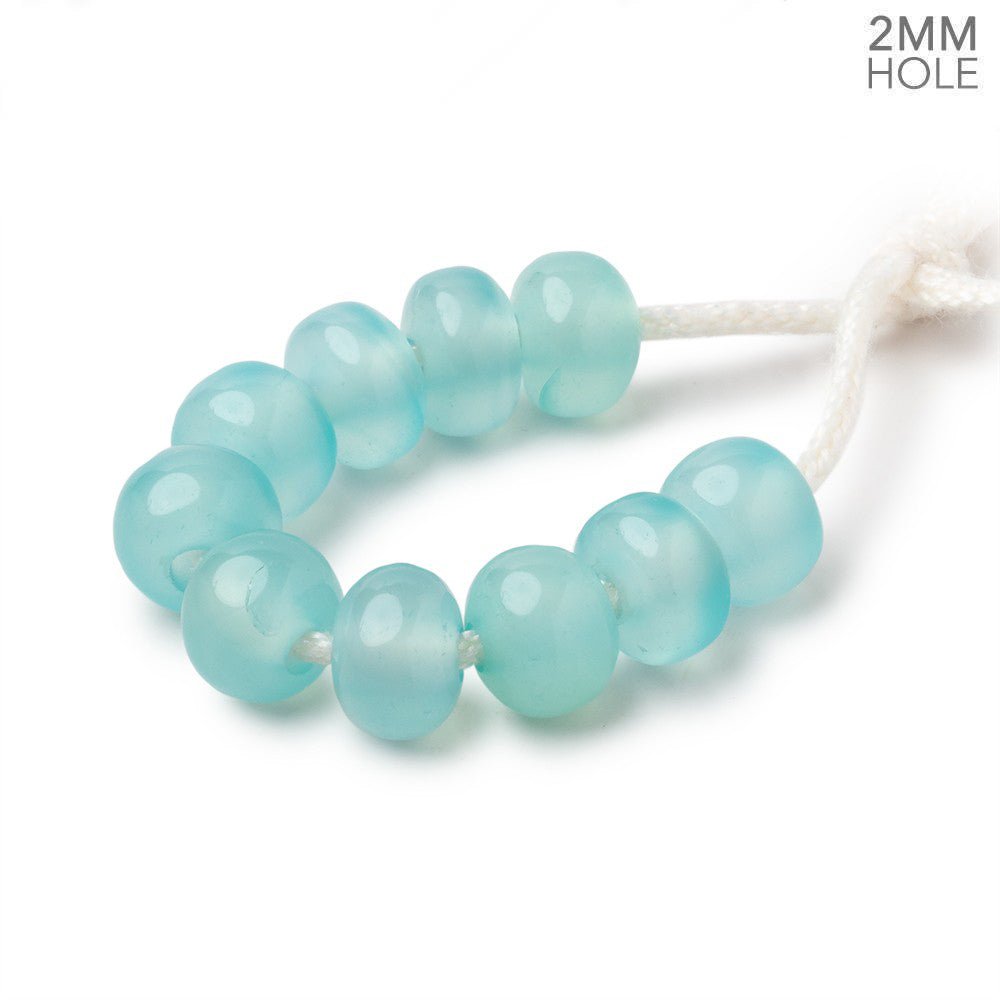
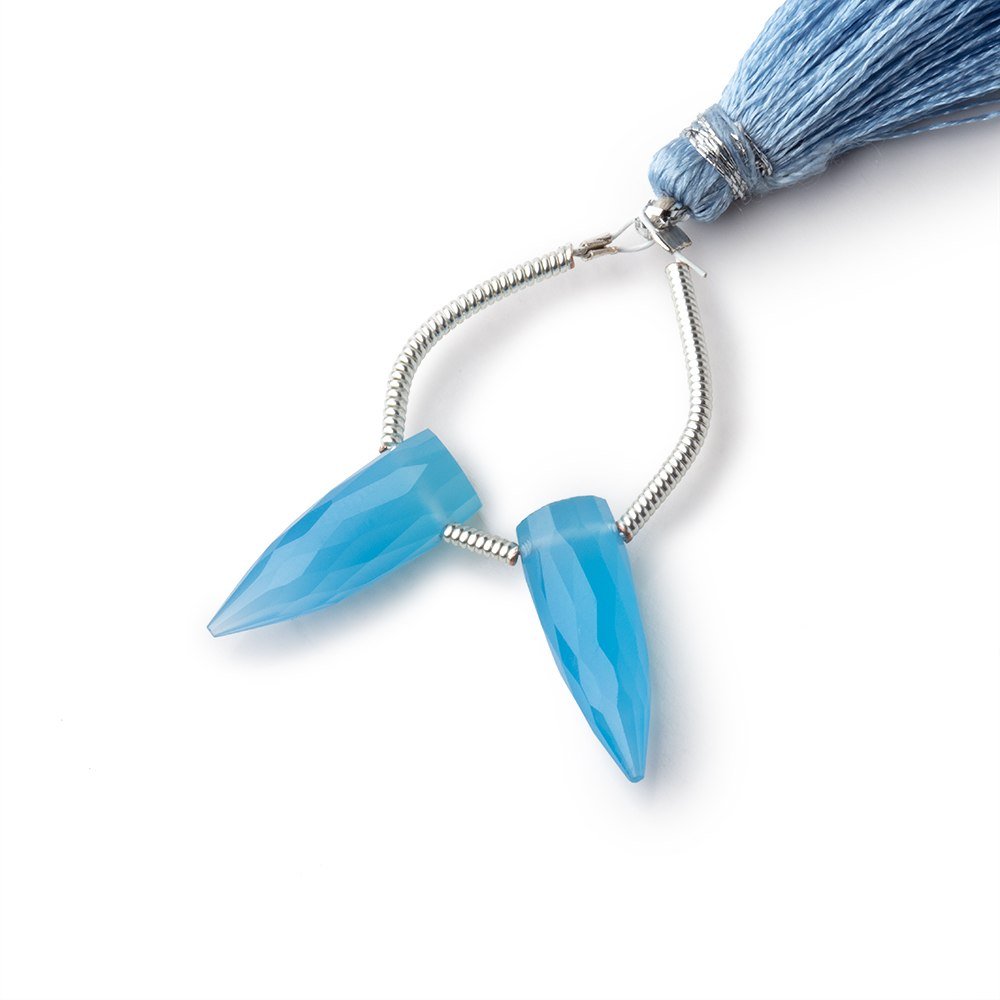
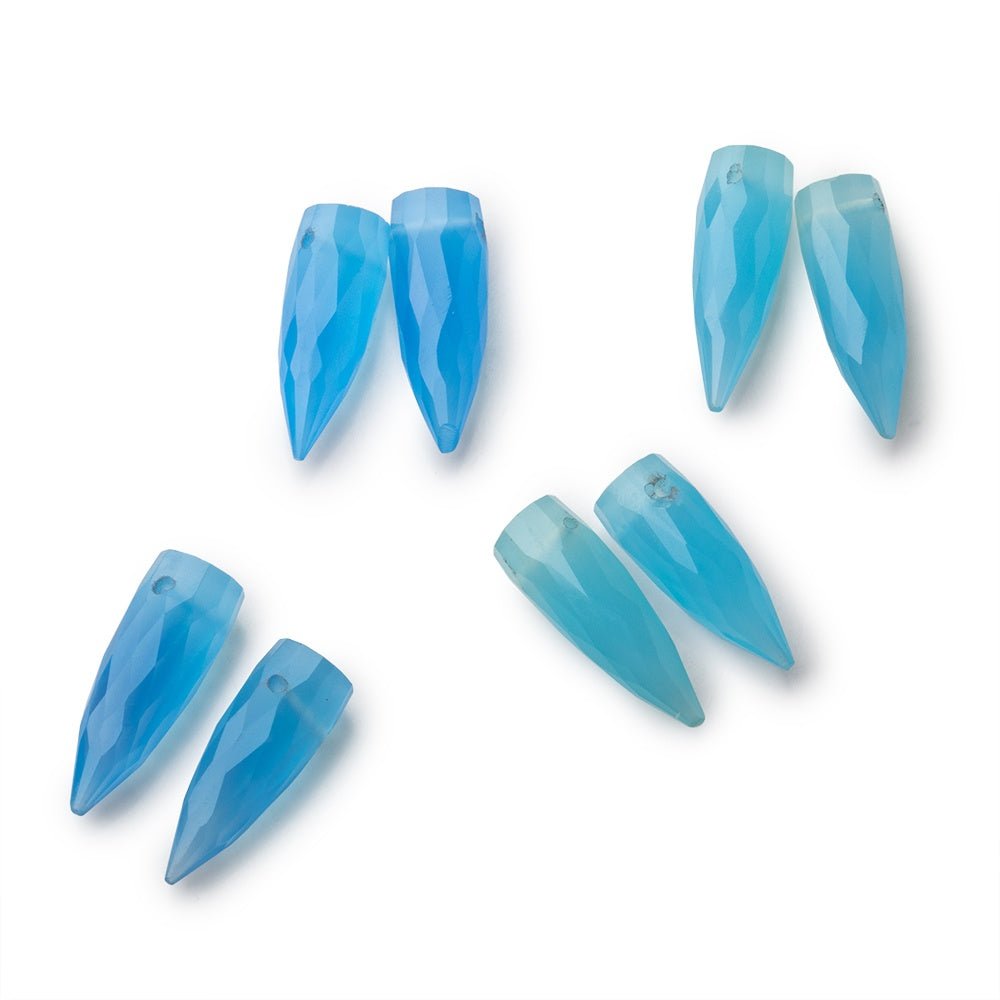


What are Chalcedony Beads?
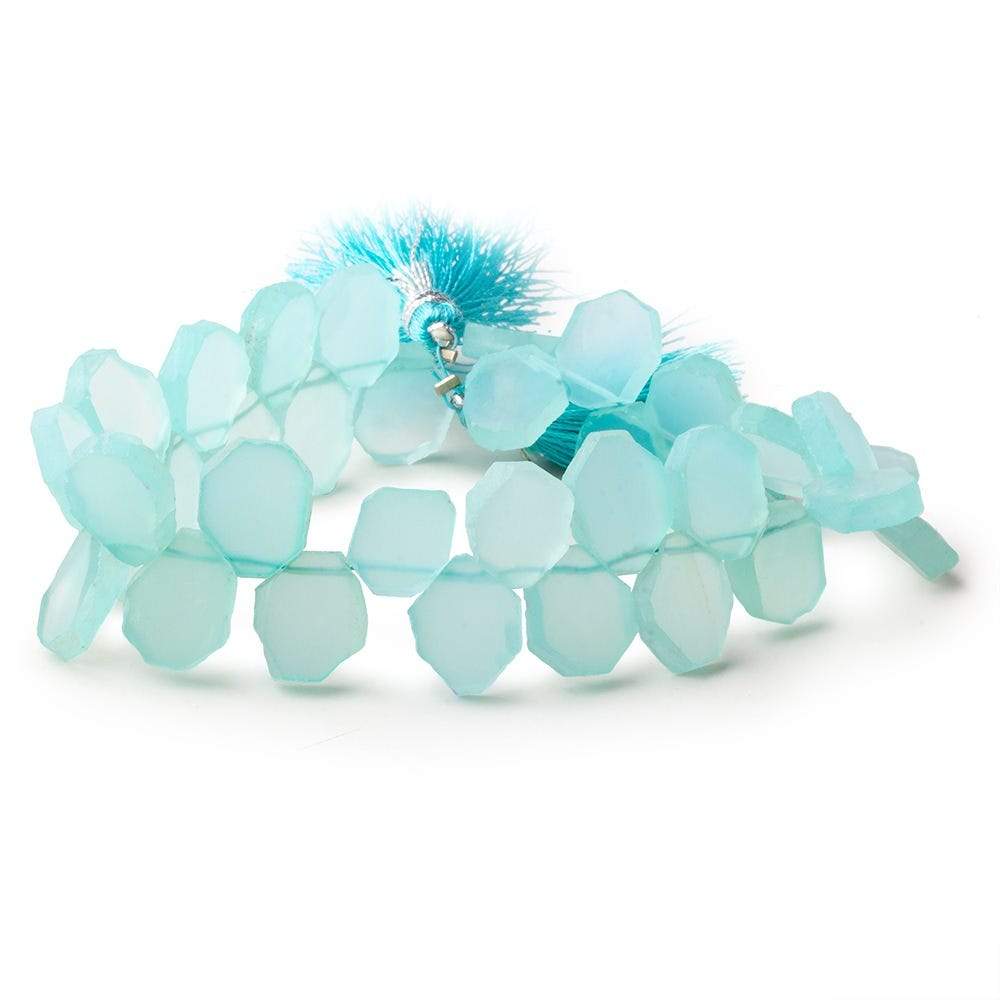
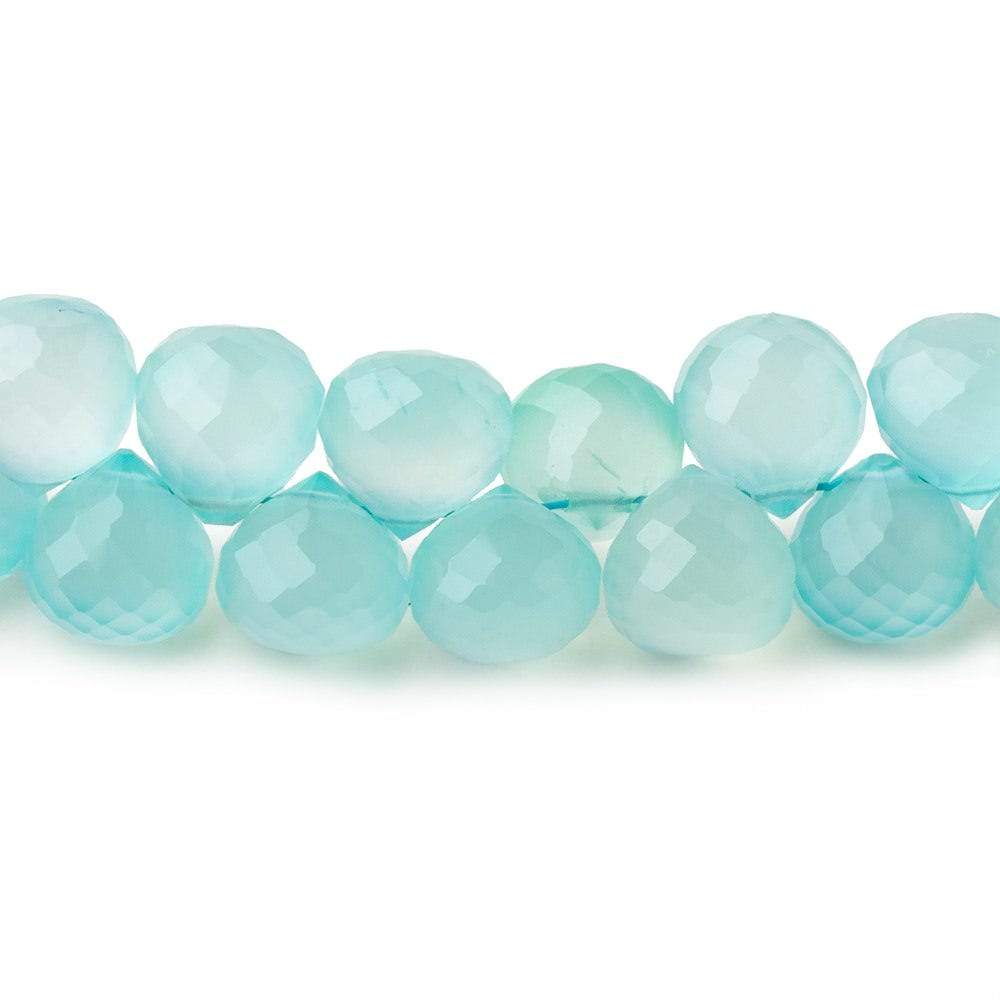
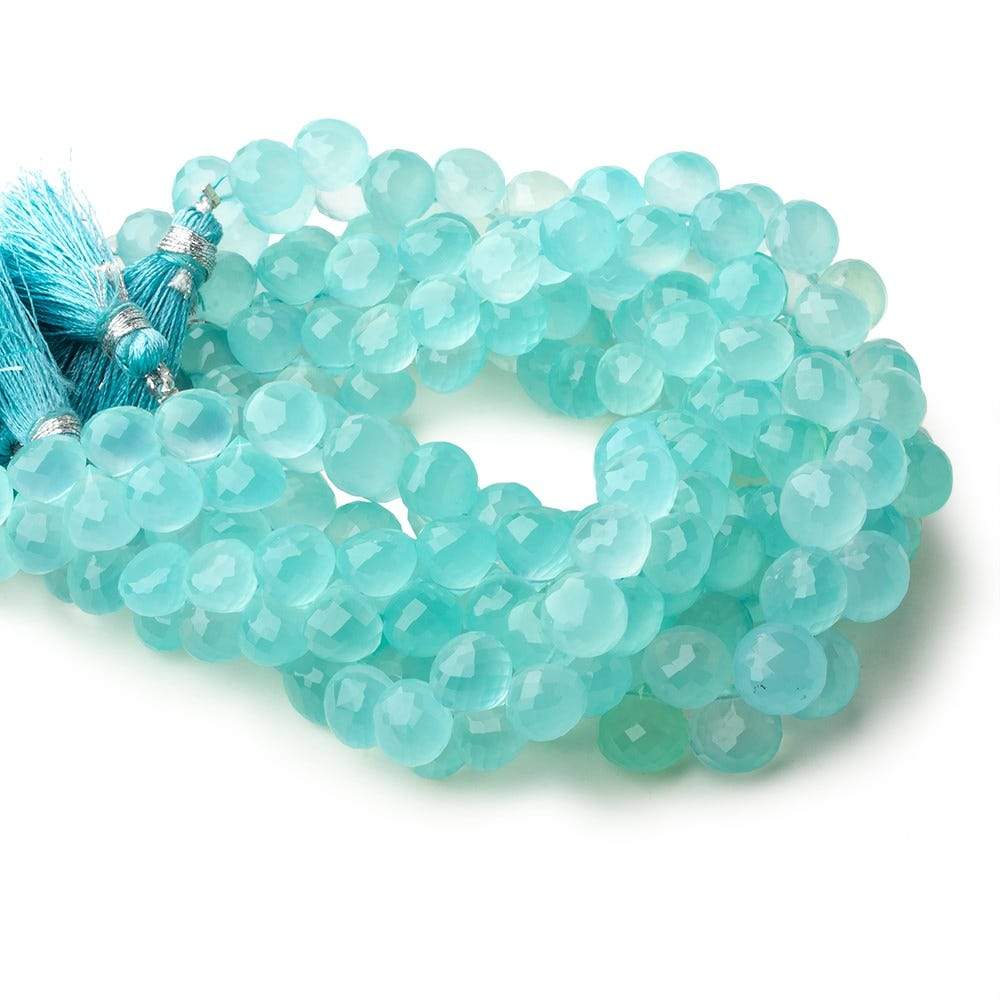
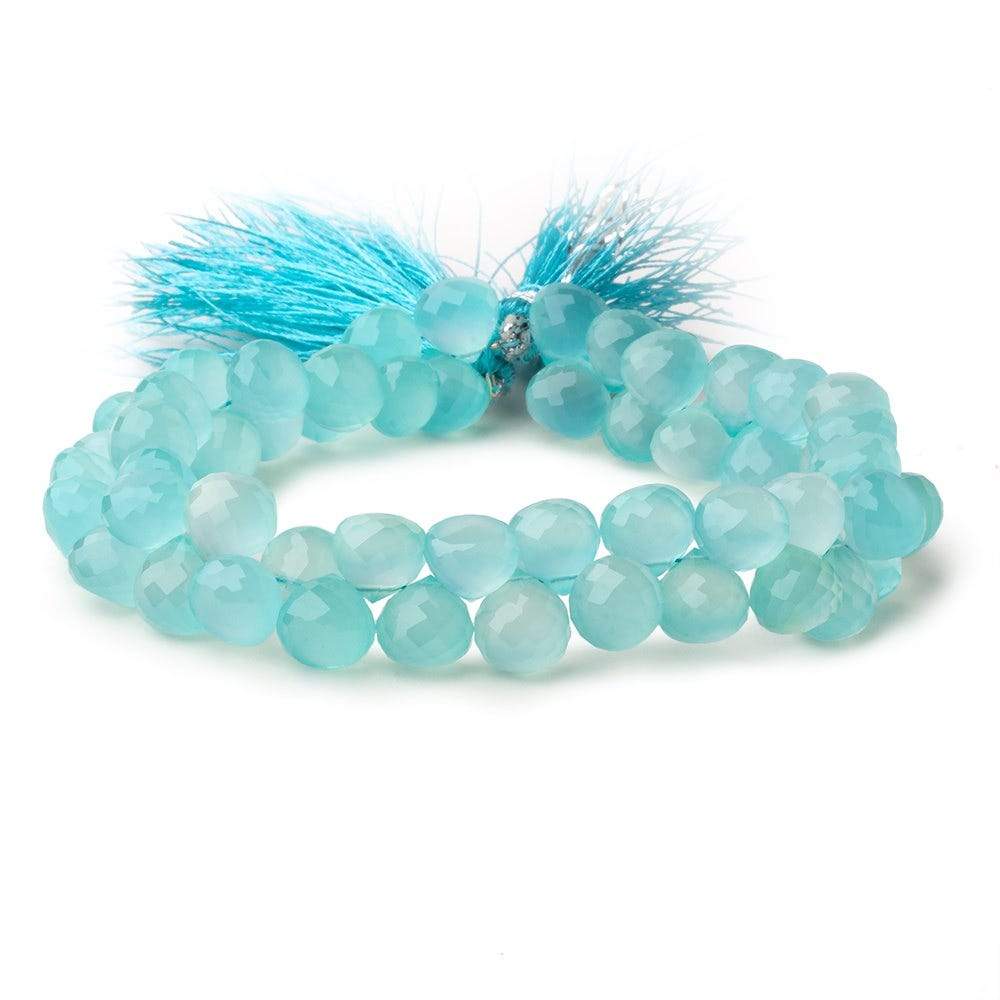
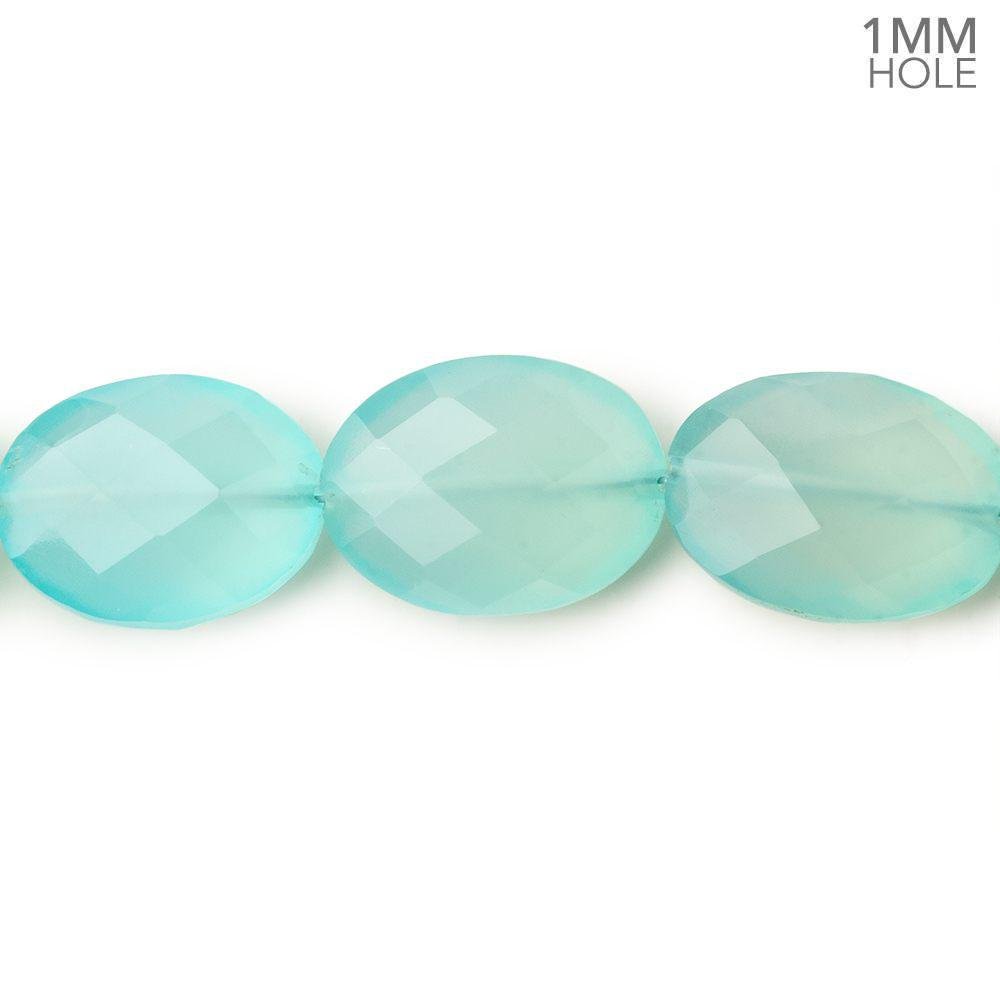
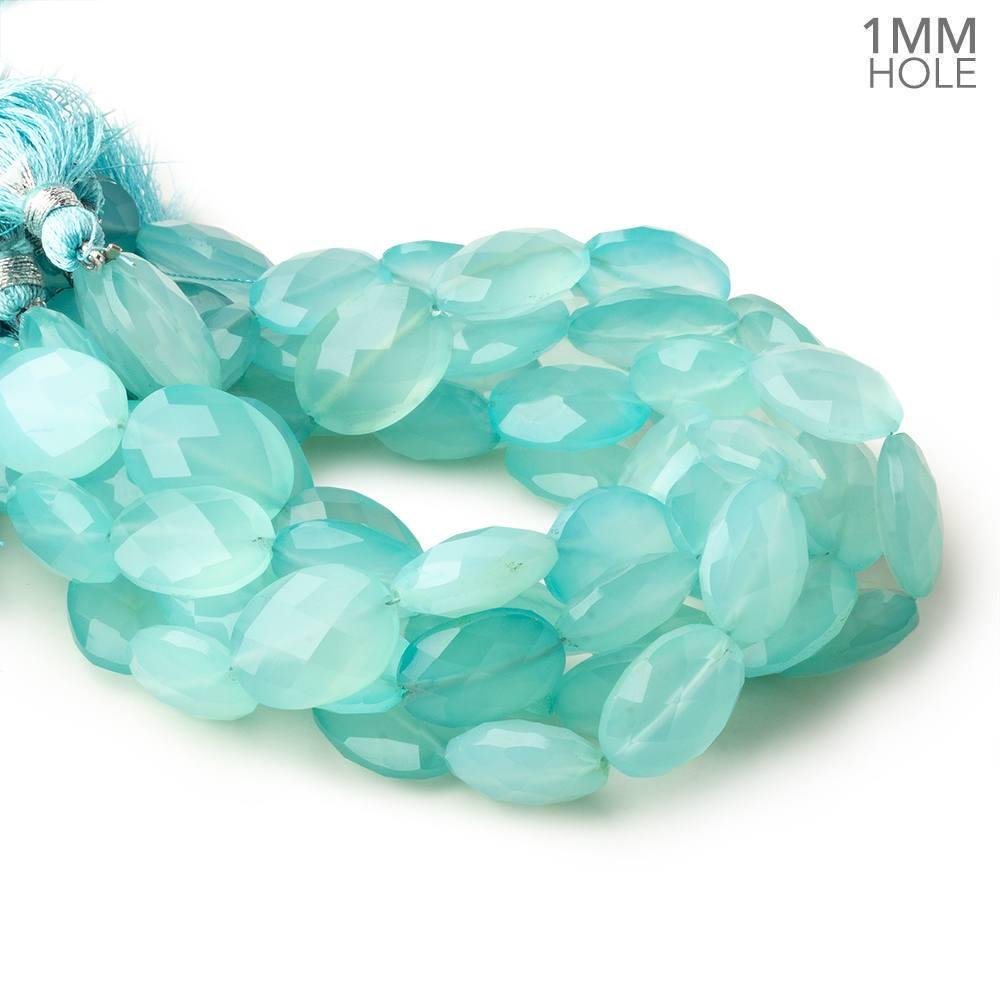
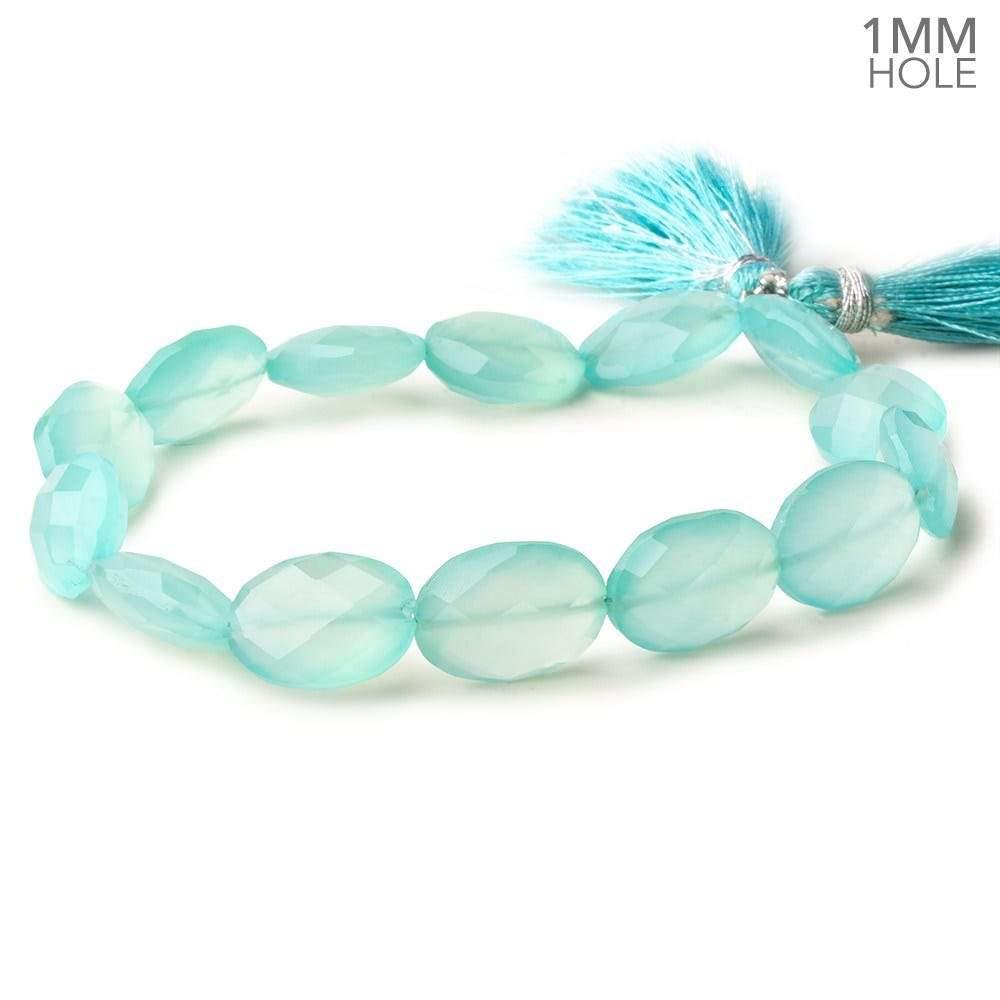
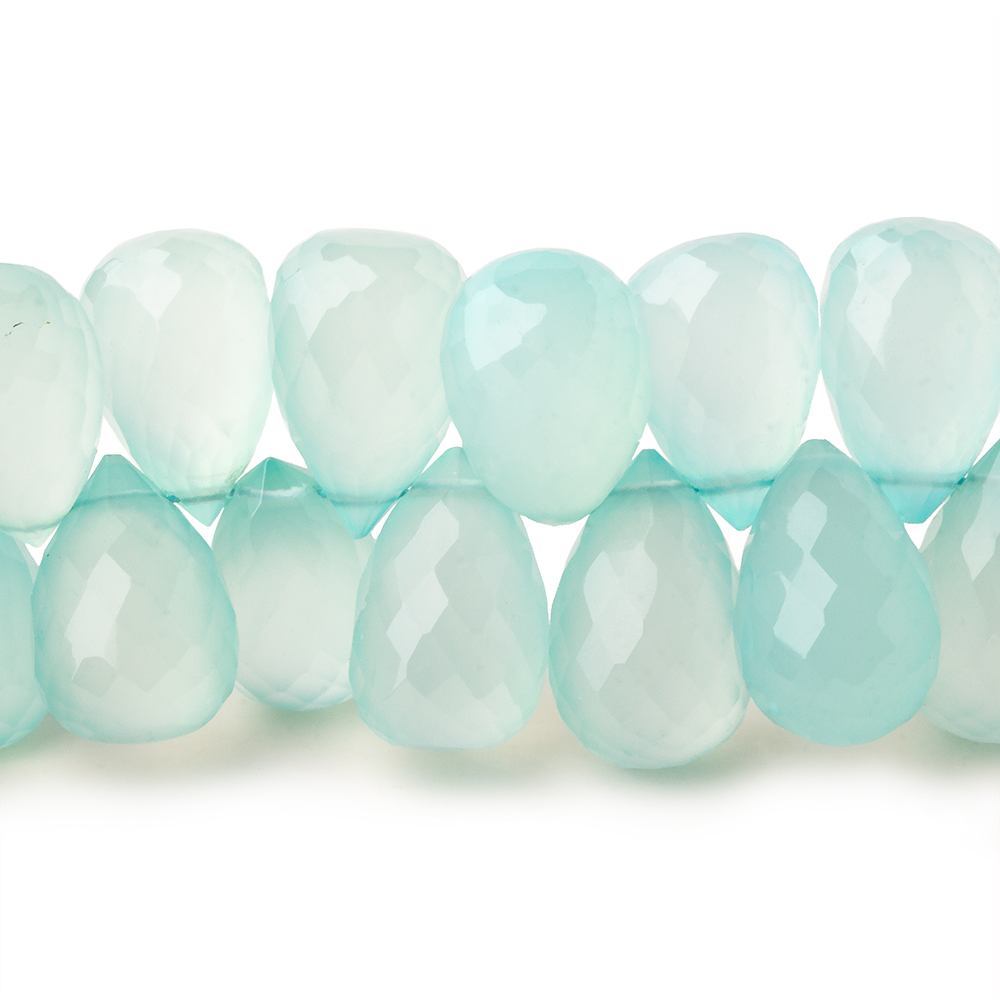
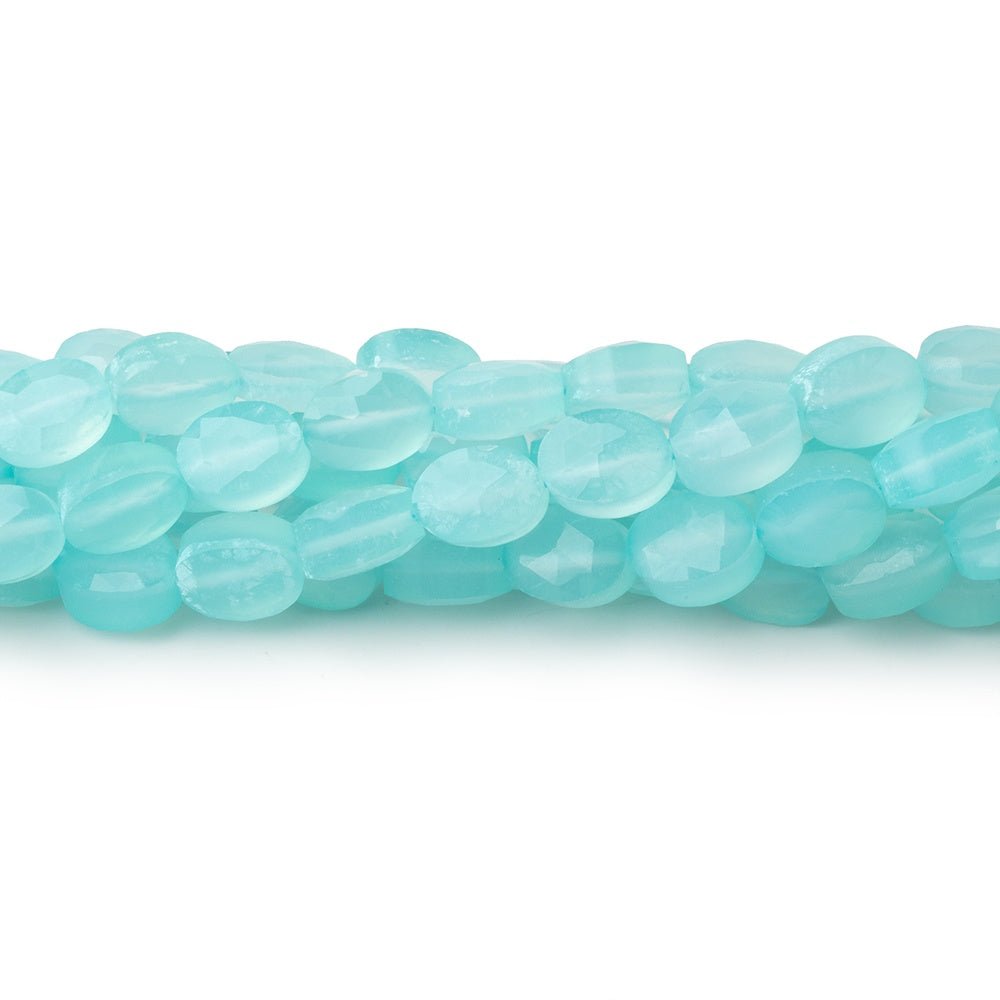
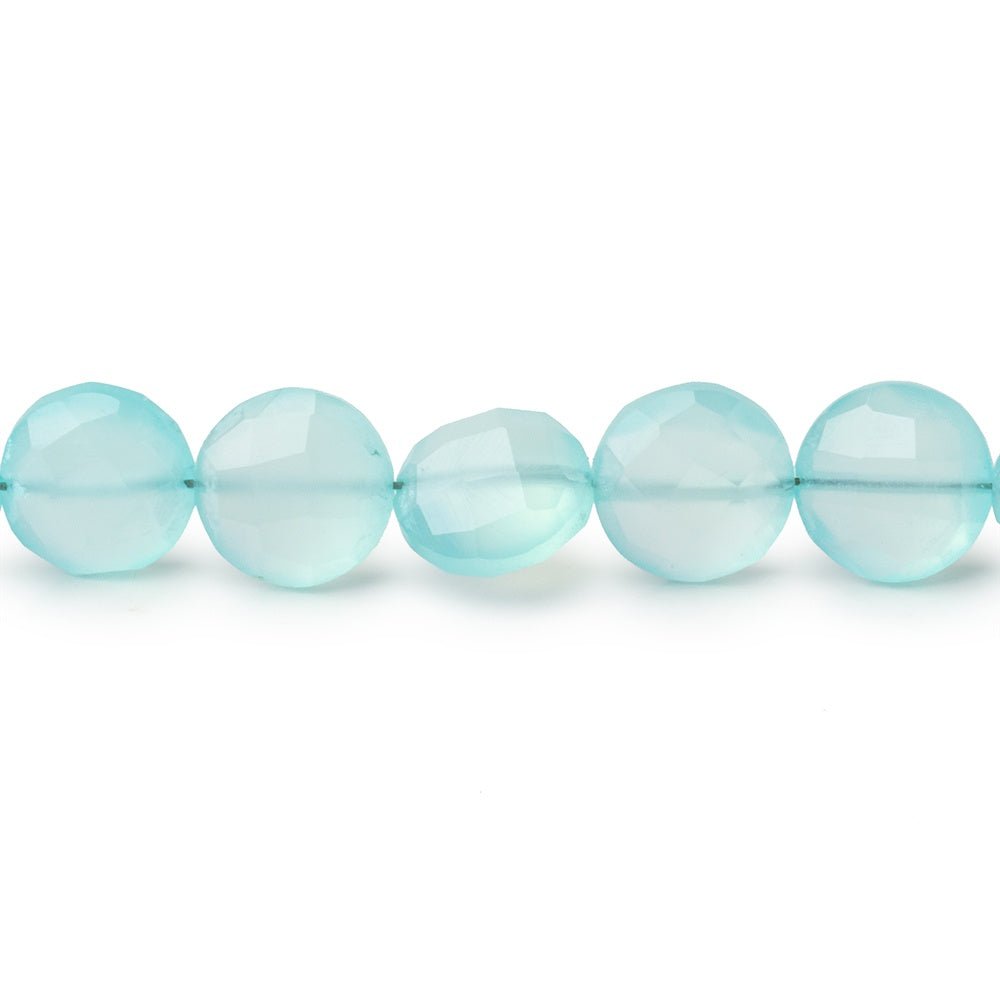
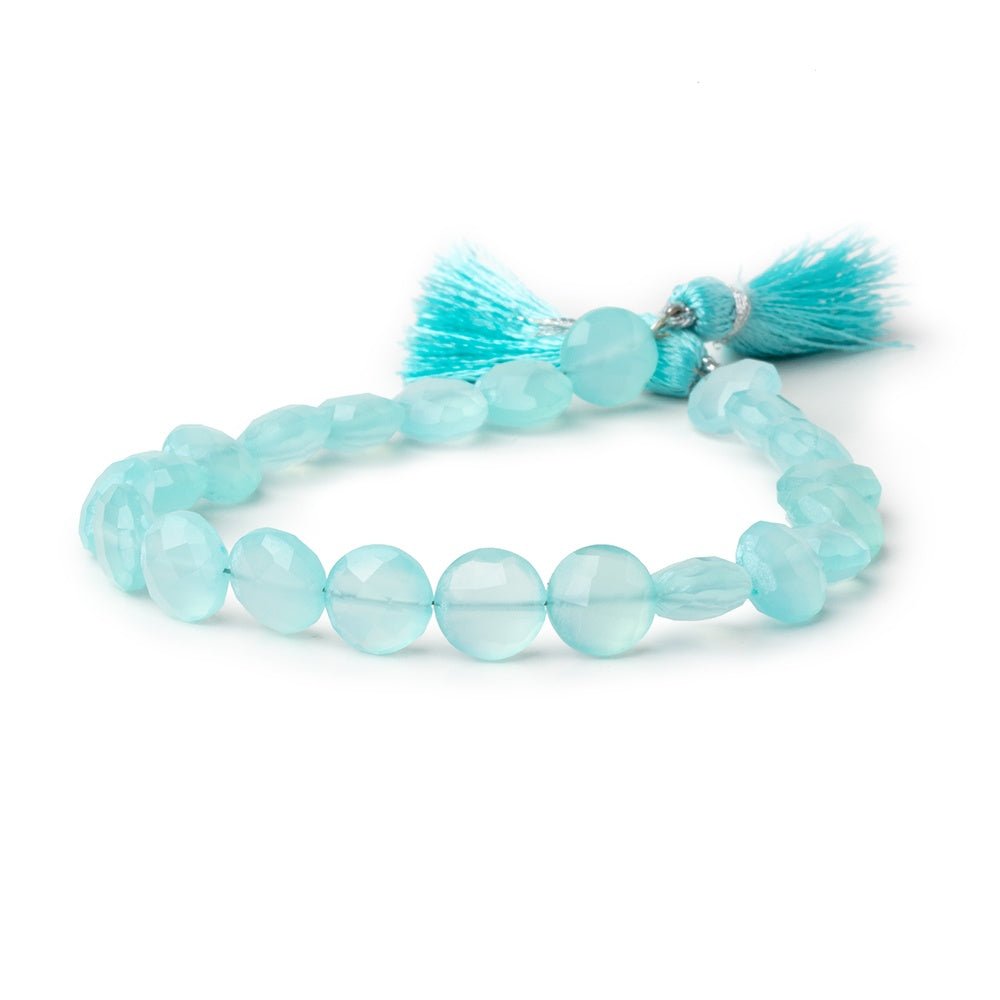
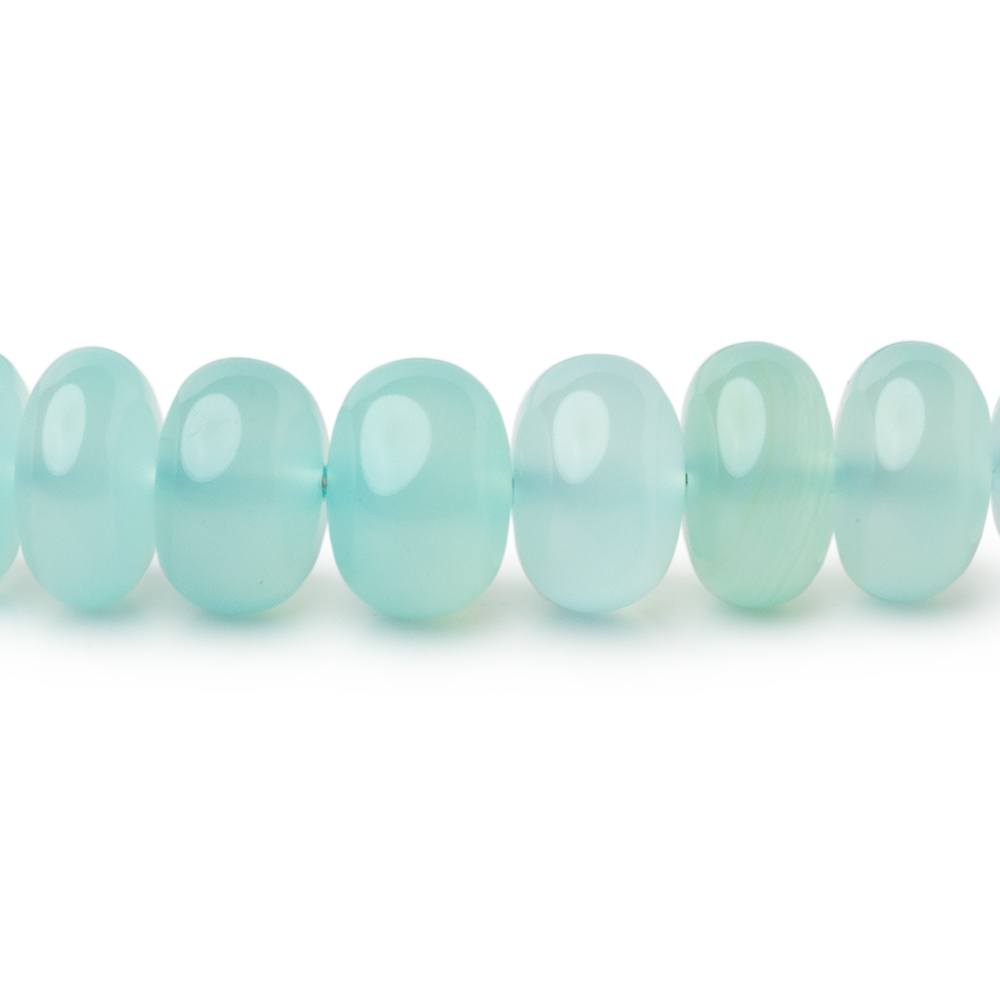
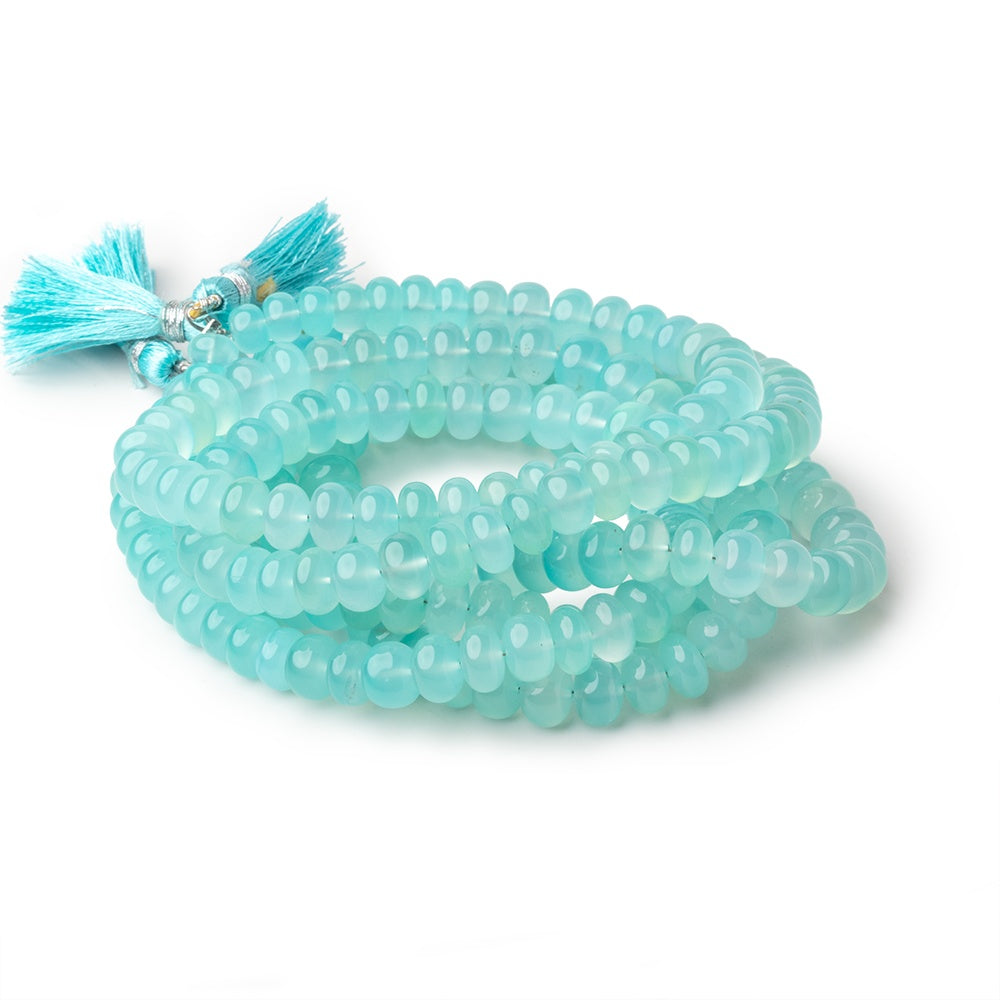
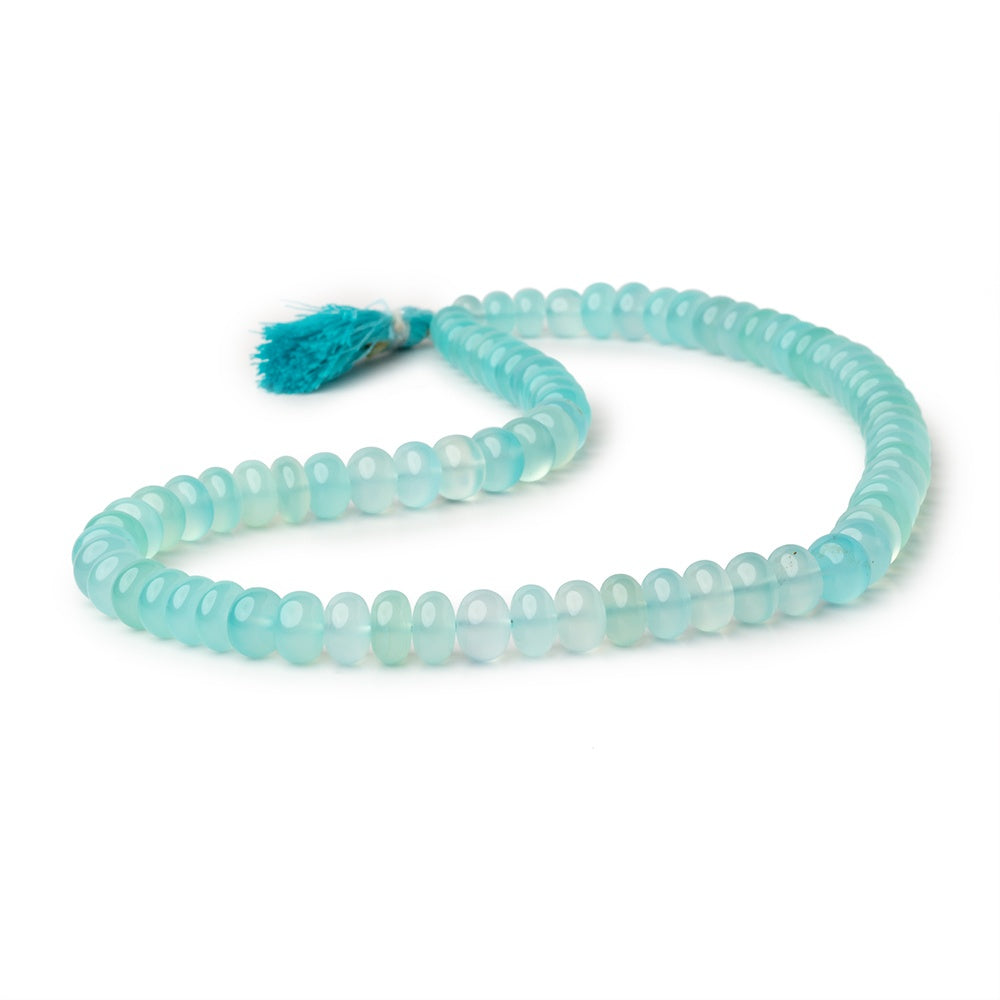
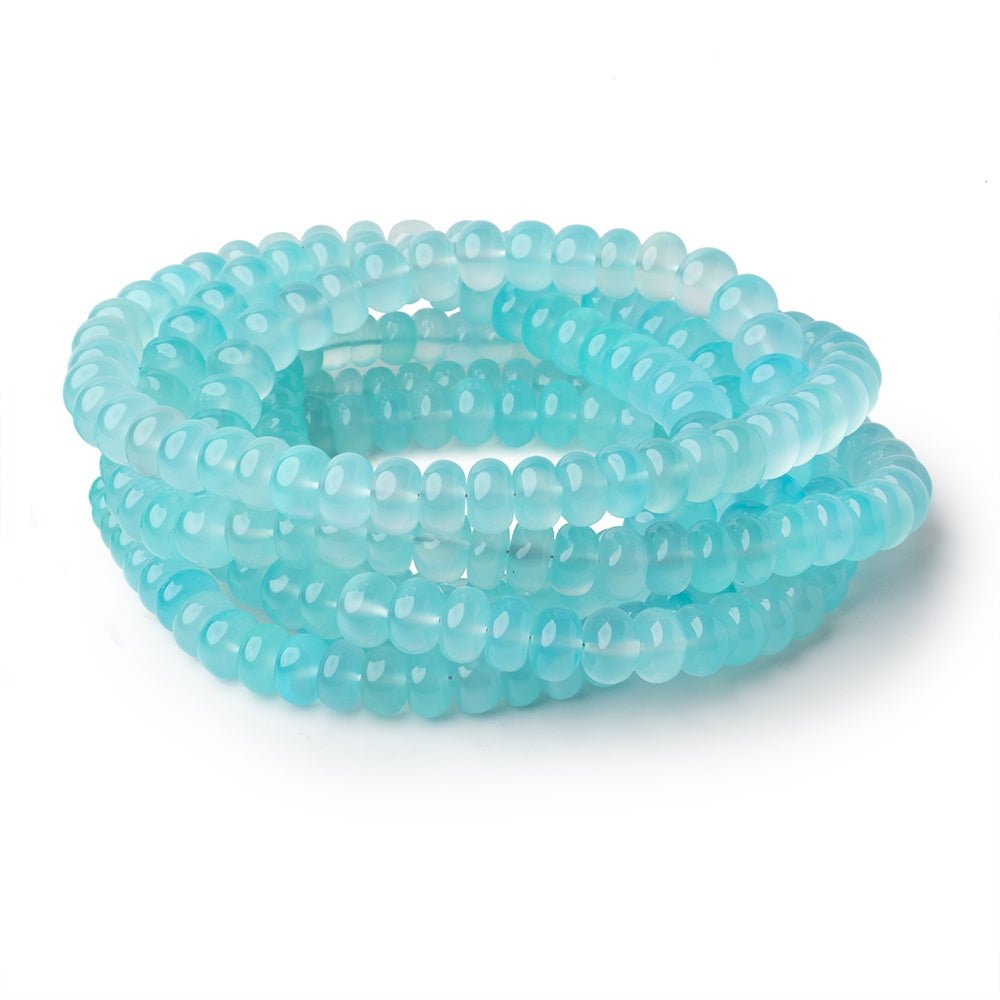
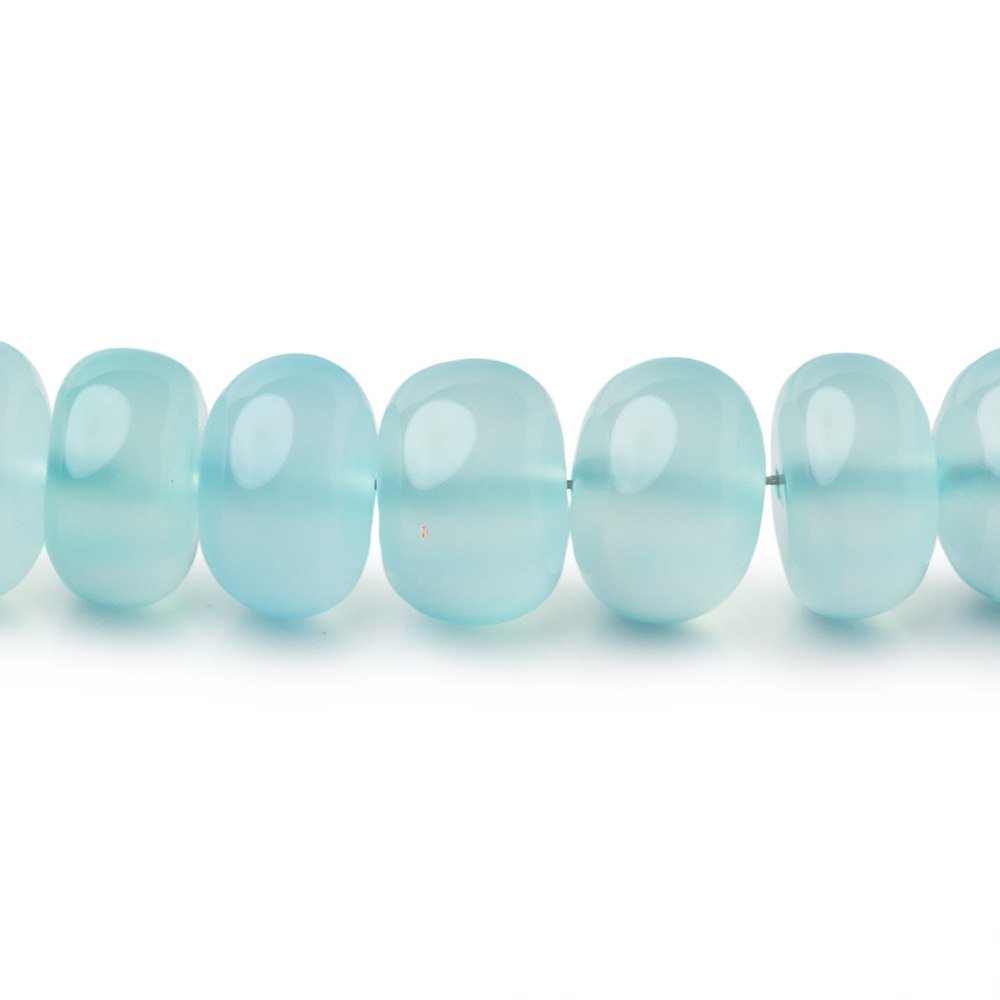
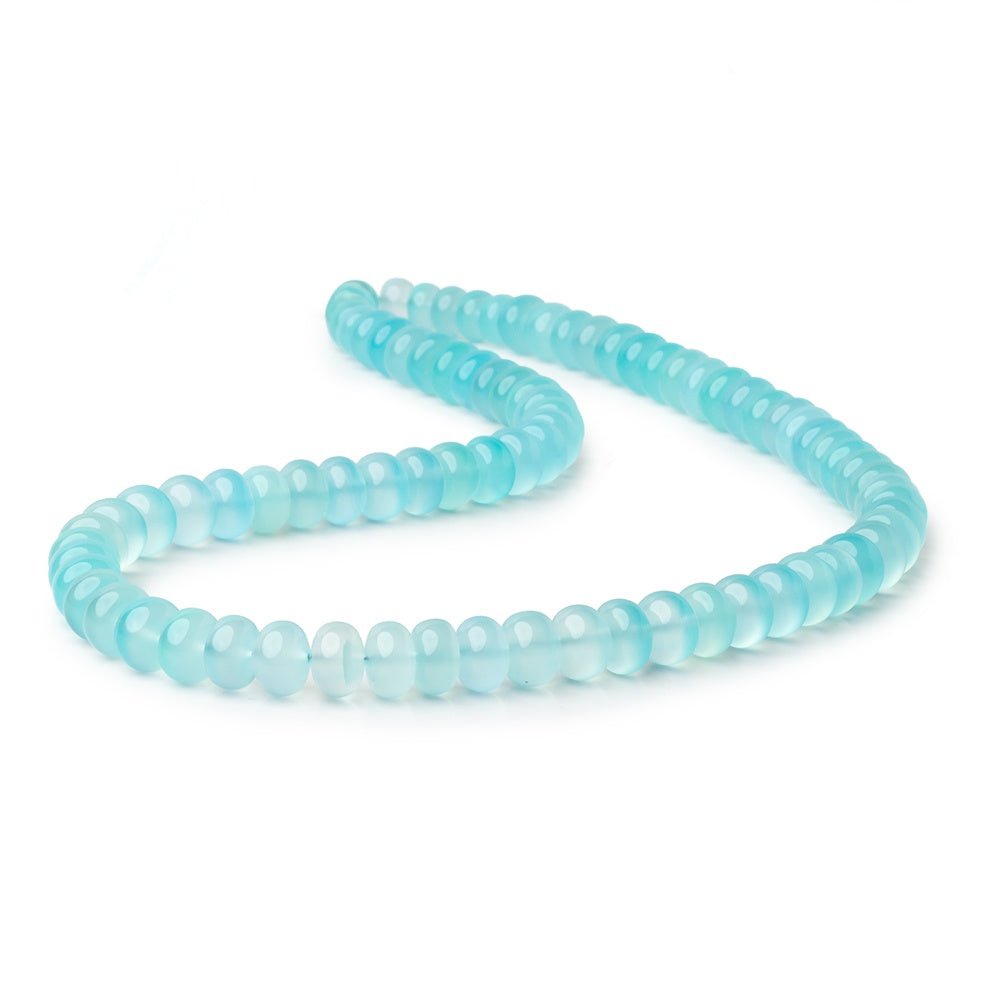
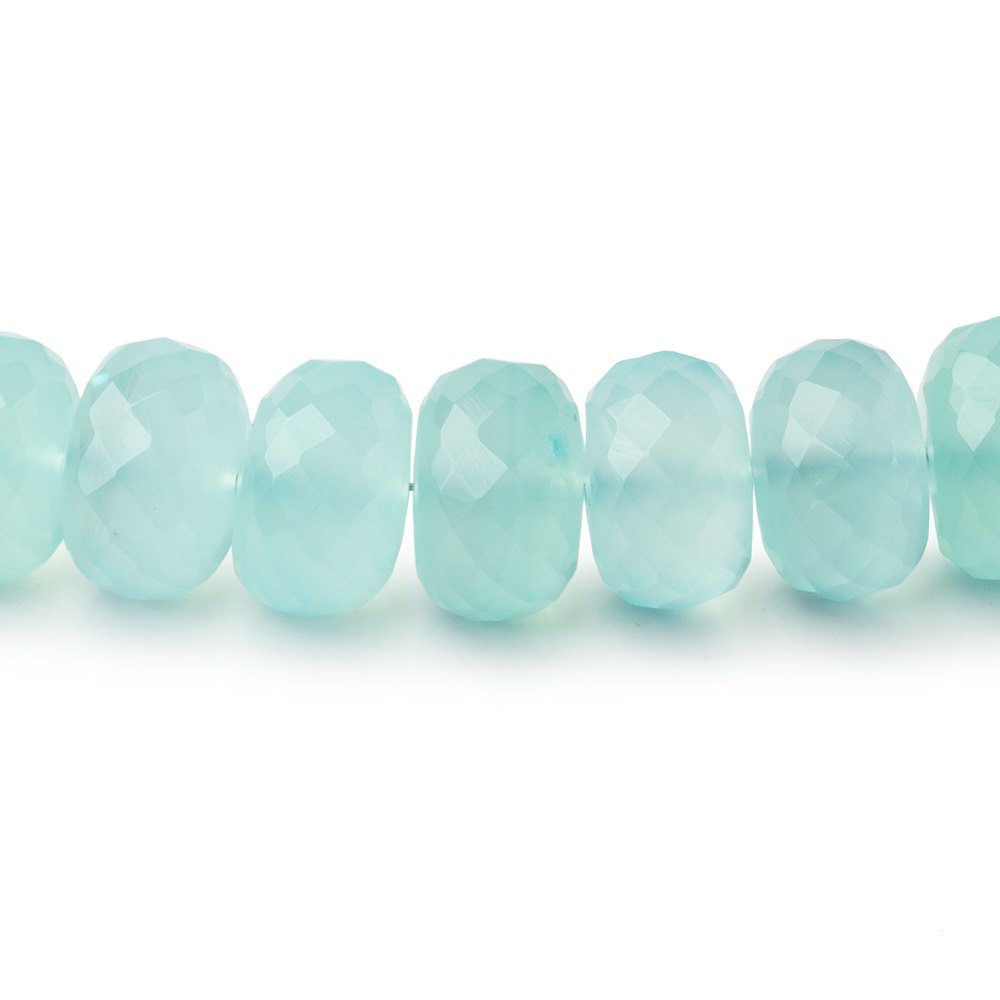
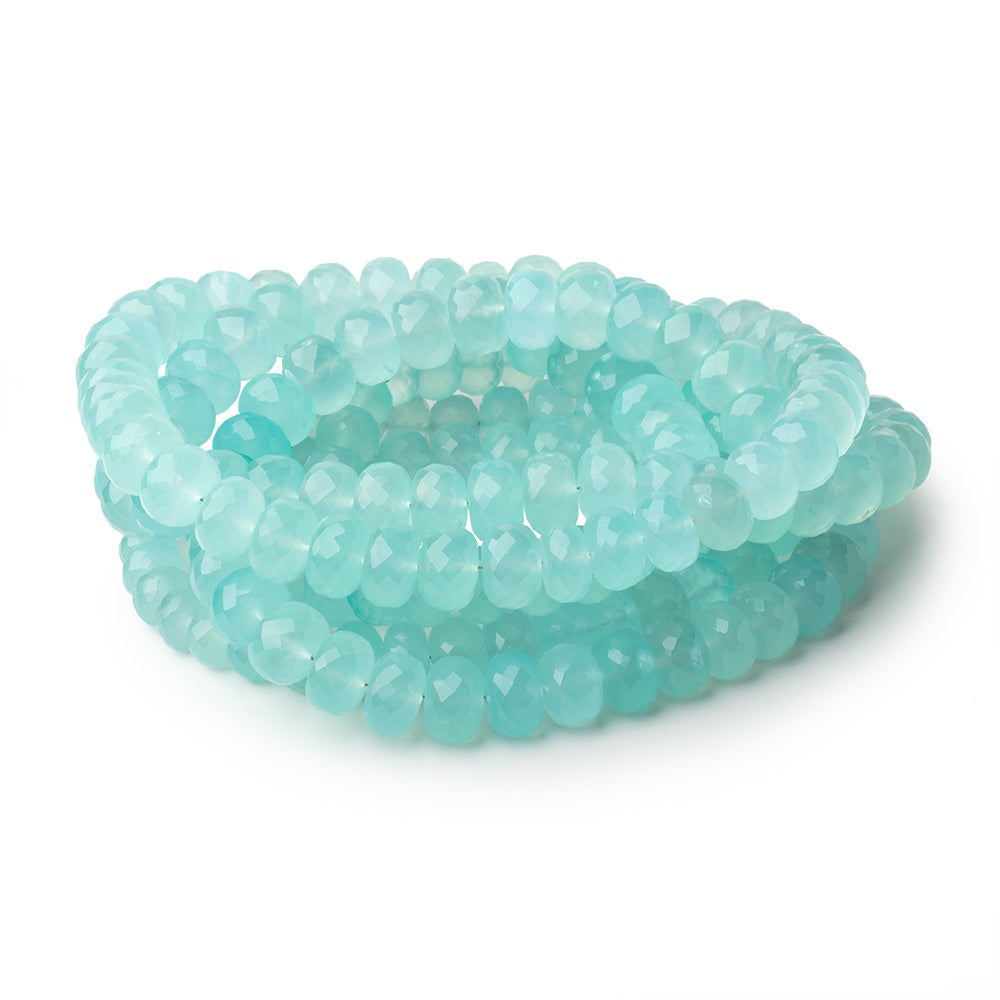
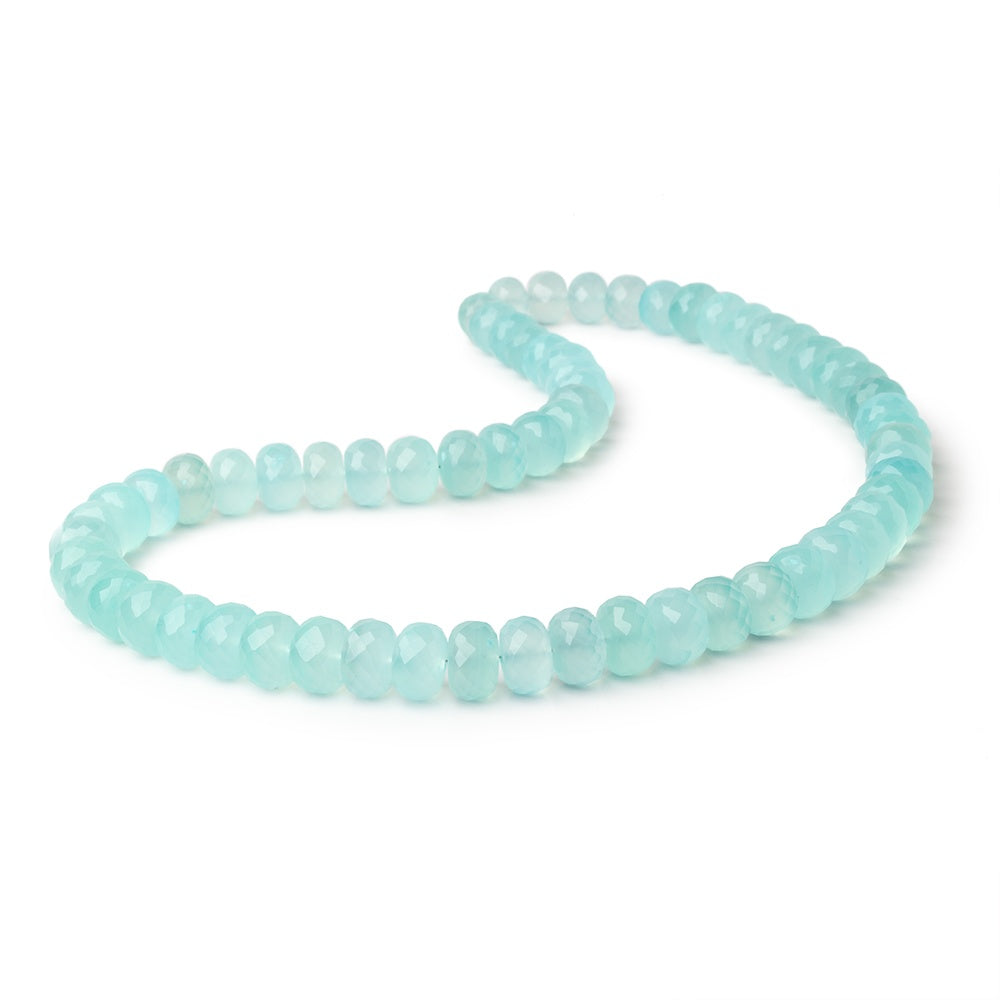
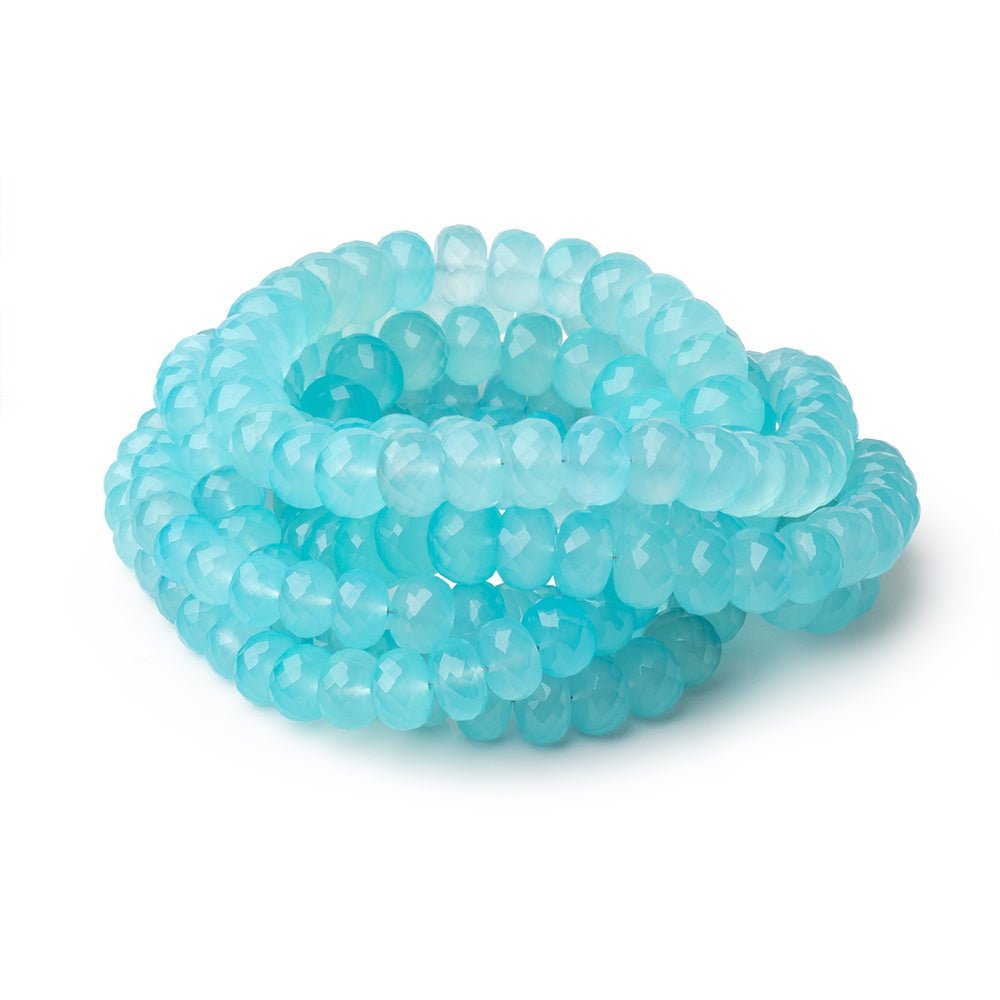
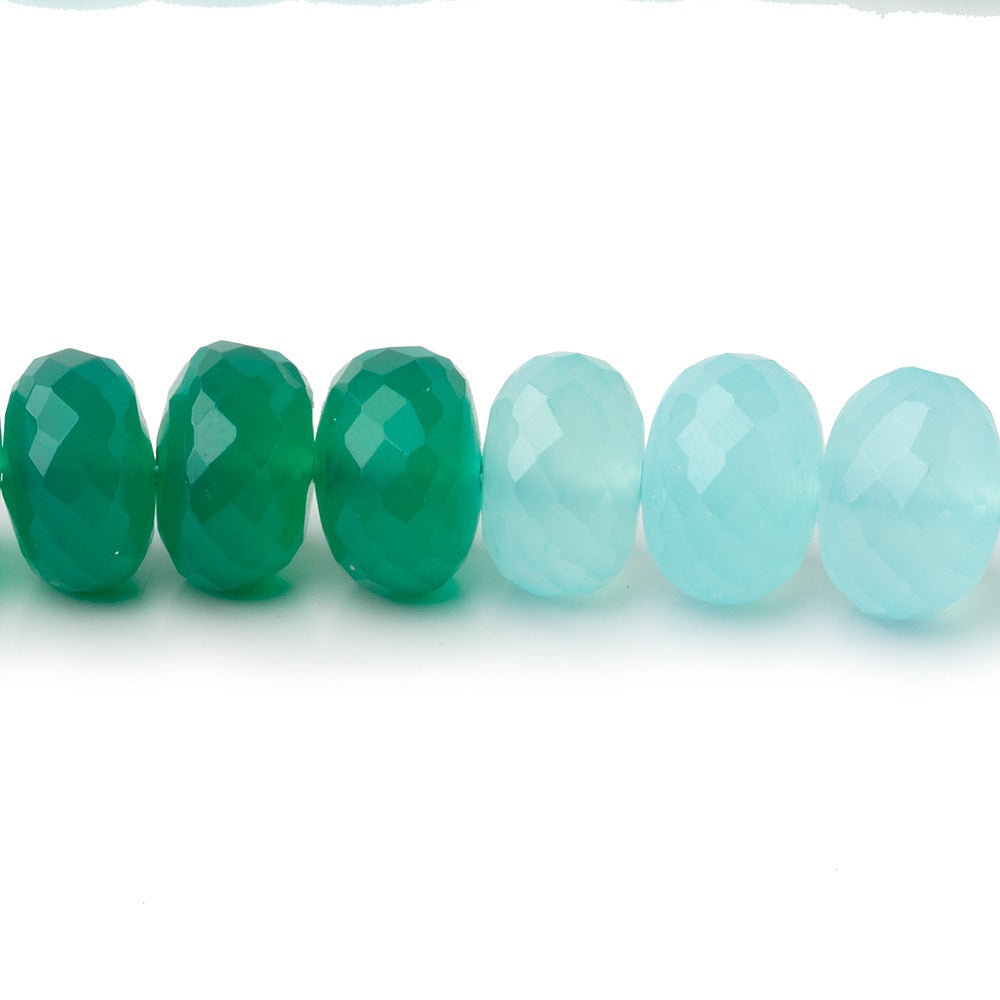
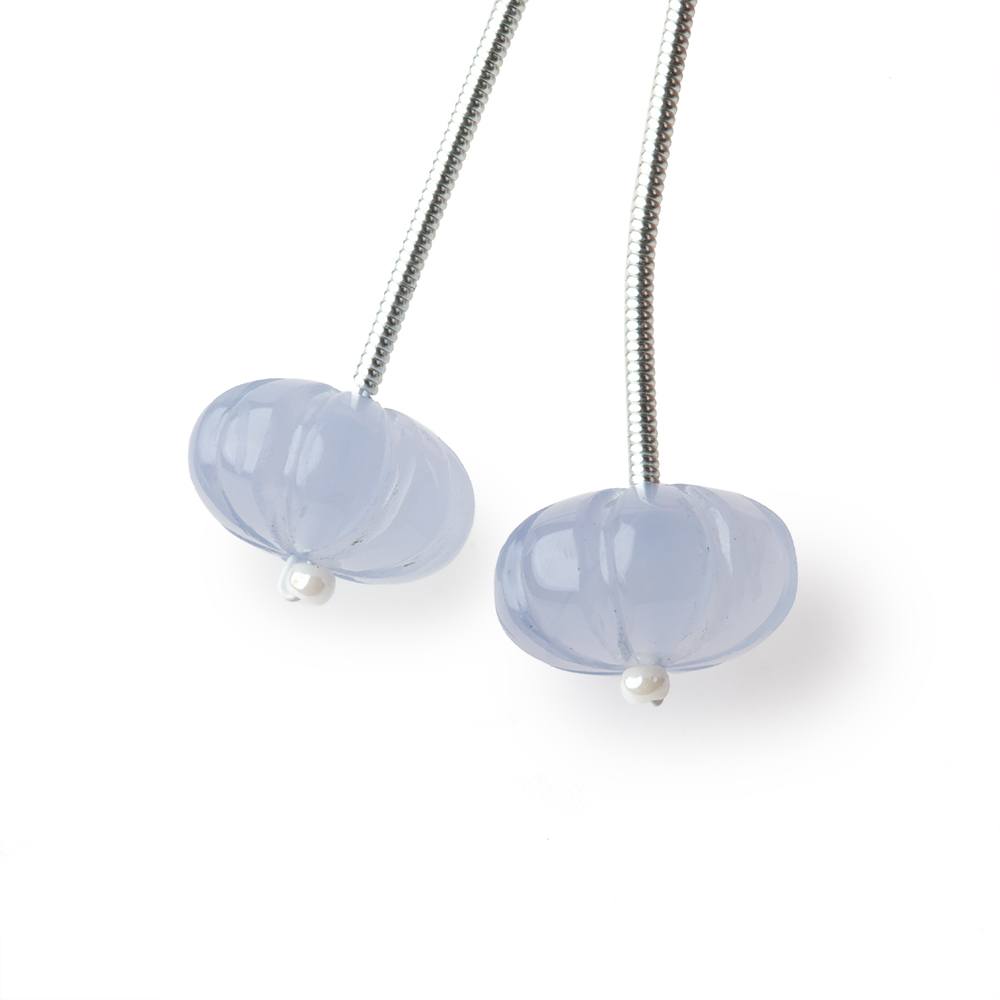
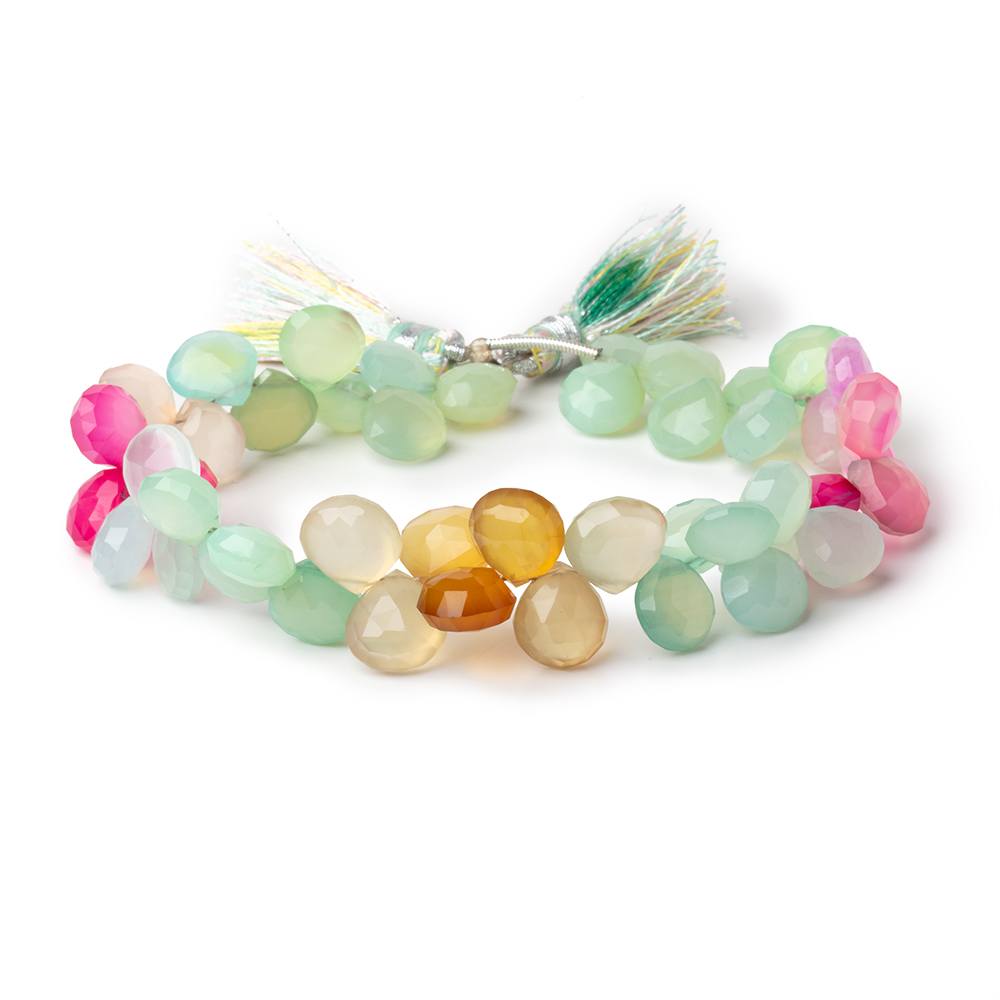
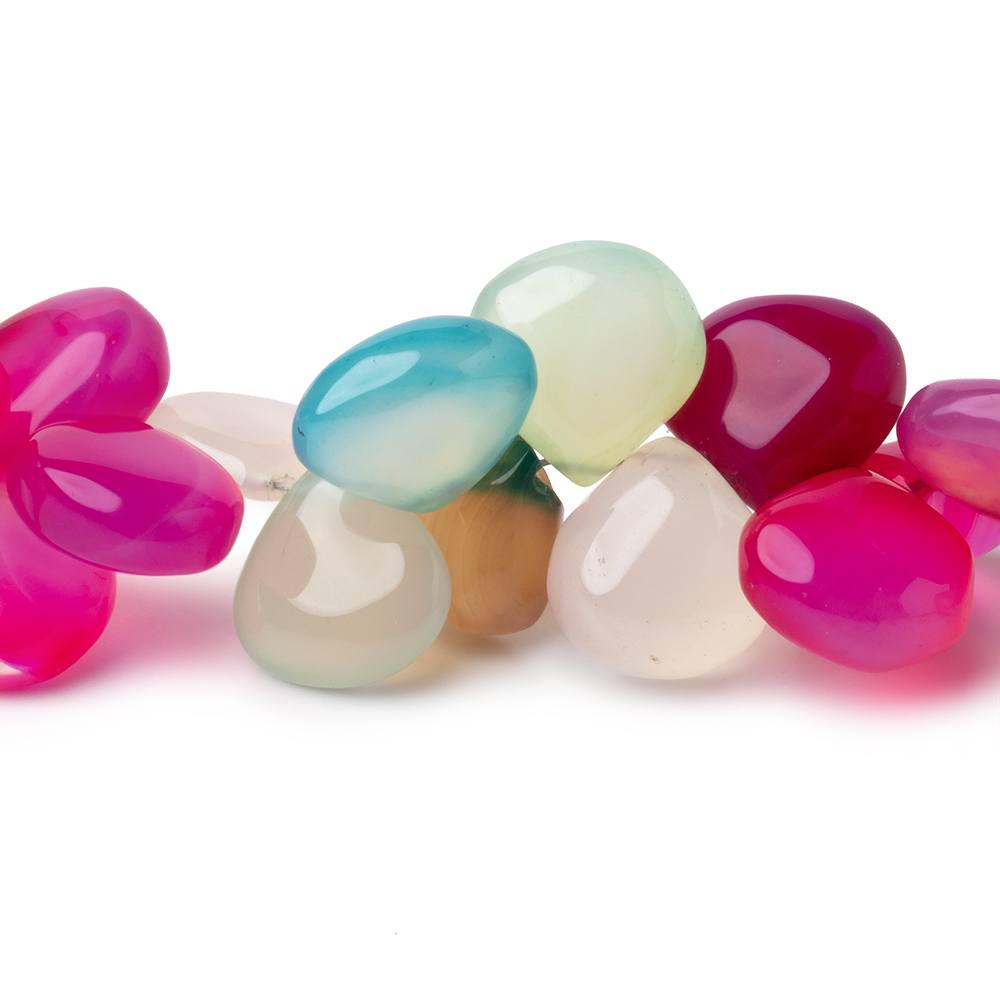
Chalcedony beads are made from microcrystalline quartz, meaning the crystal structure is too small to see with the naked eye. This gives chalcedony its signature waxy appearance and softly translucent finish. Pronounced “kal-seh-duh-nee,” this gemstone has a smooth look that pairs beautifully with pearls, gold, silver, and other natural stones.
With a hardness rating of approximately 6.5 to 7 on the Mohs scale, chalcedony beads are durable enough for everyday jewelry designs when handled with proper care.
The Colors of Chalcedony Beads We Carry
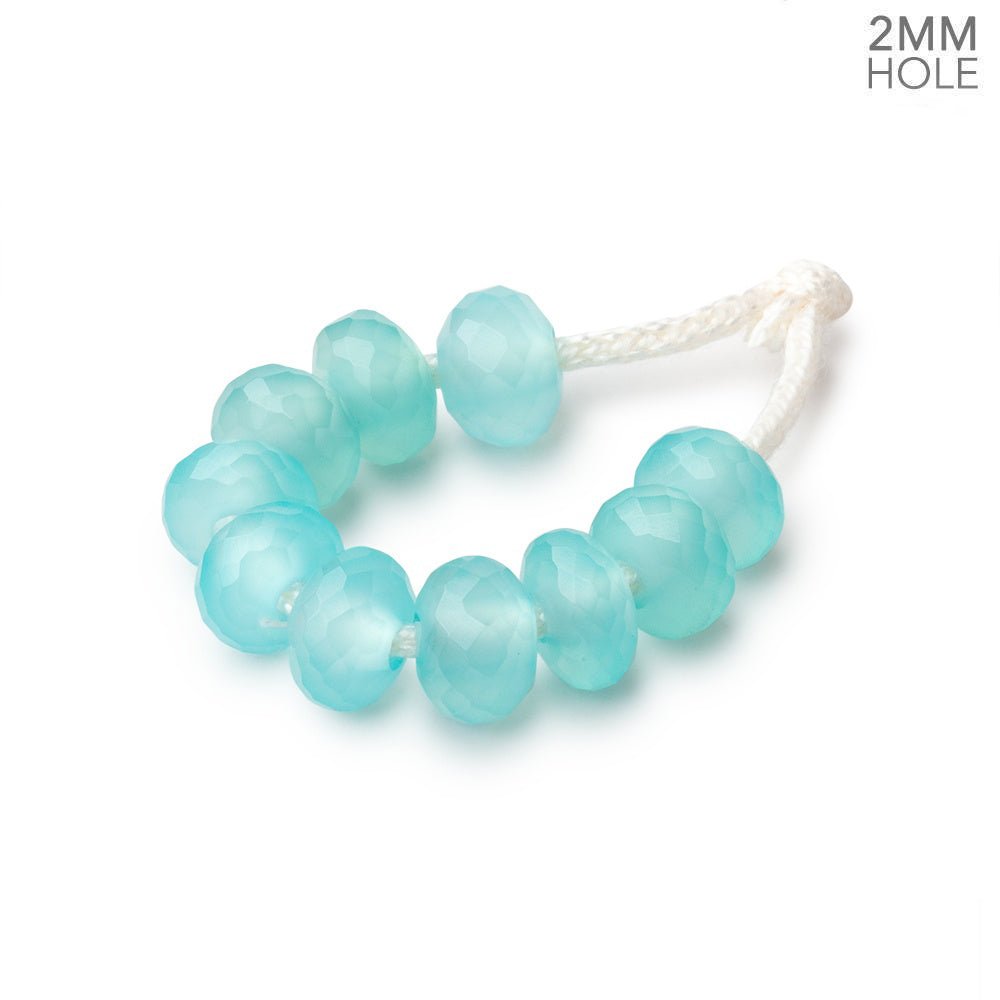
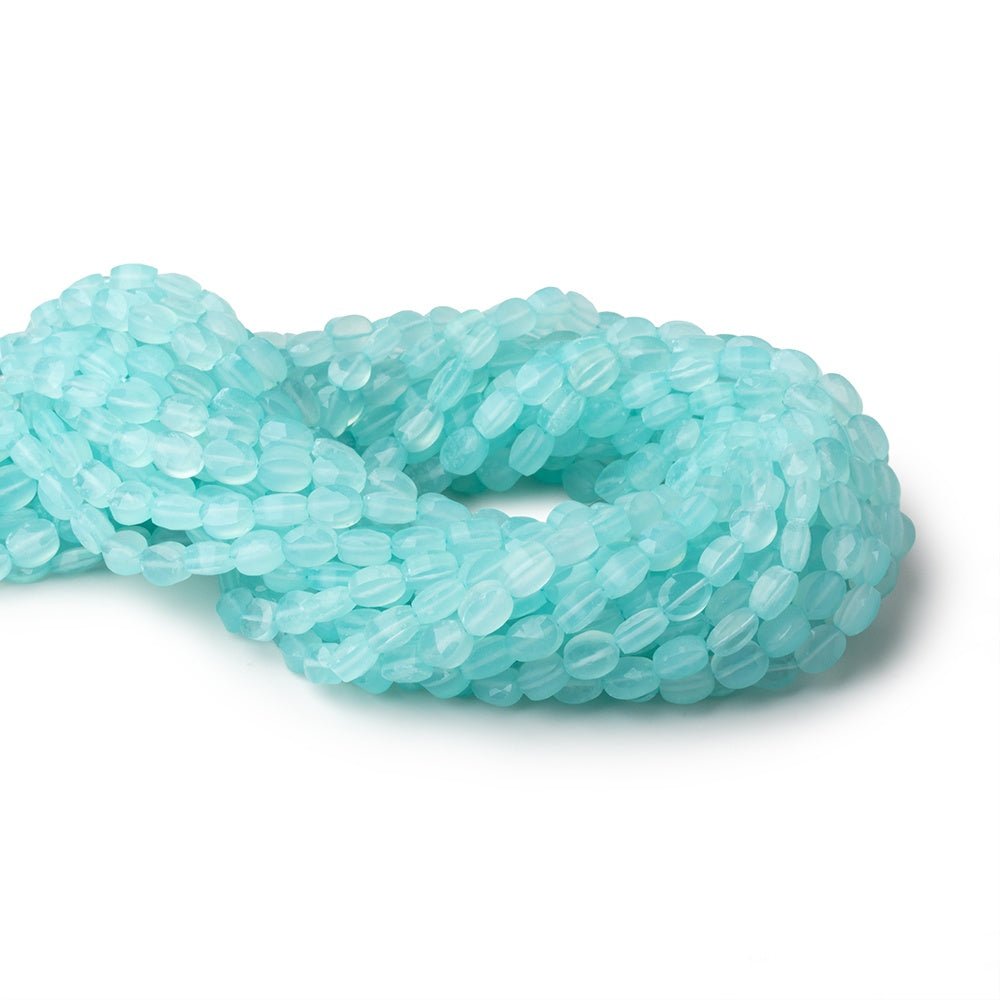
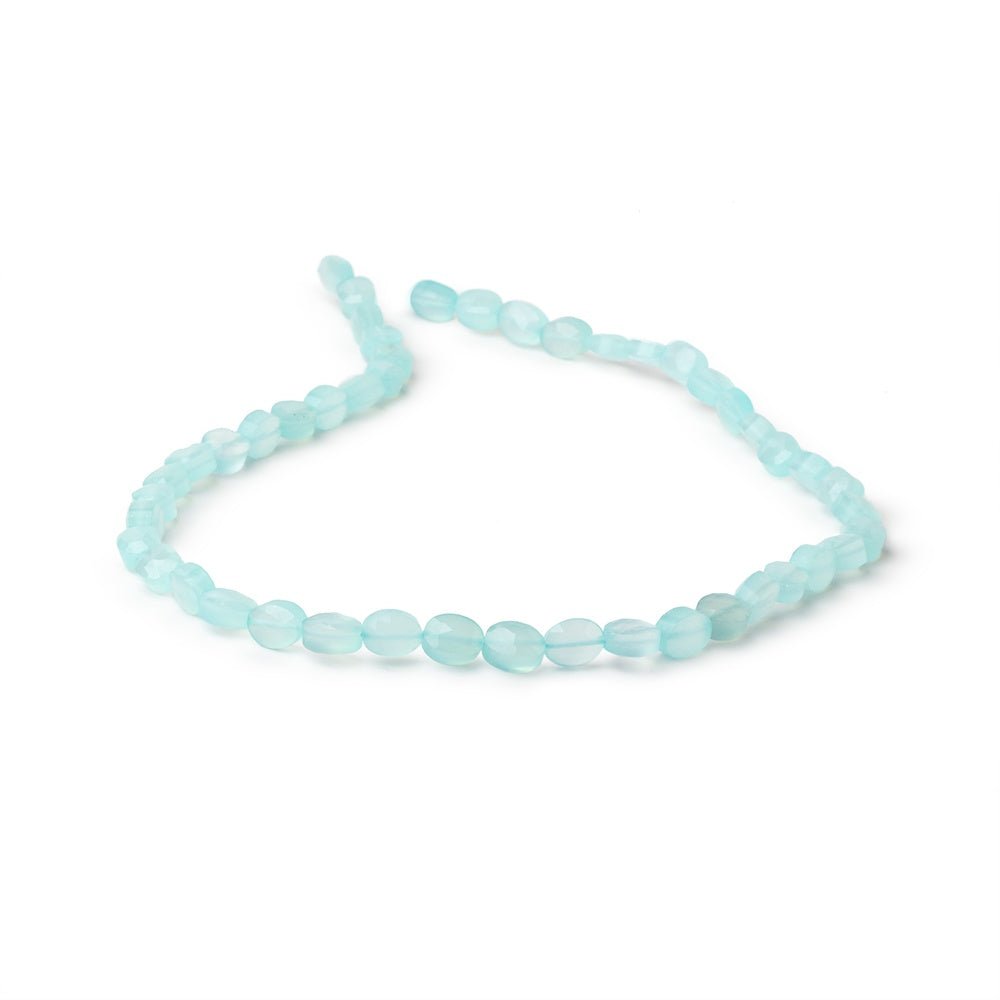
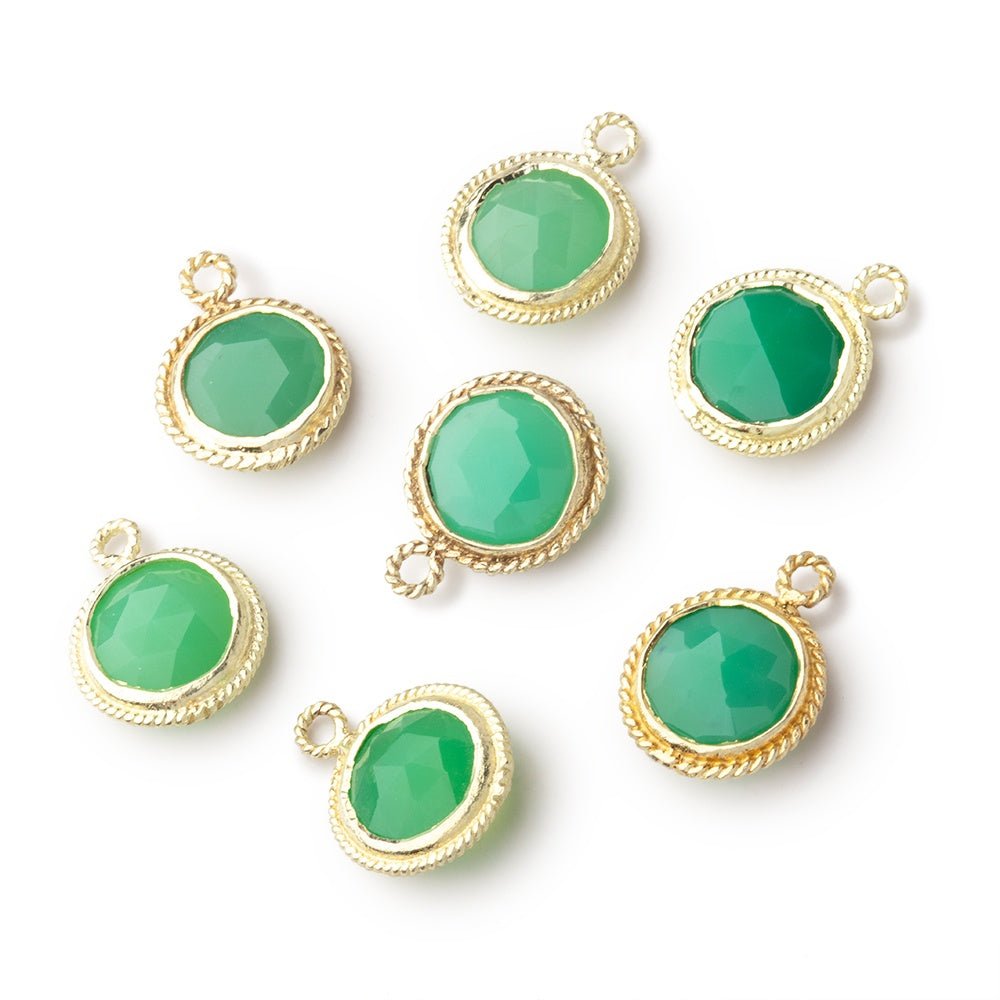
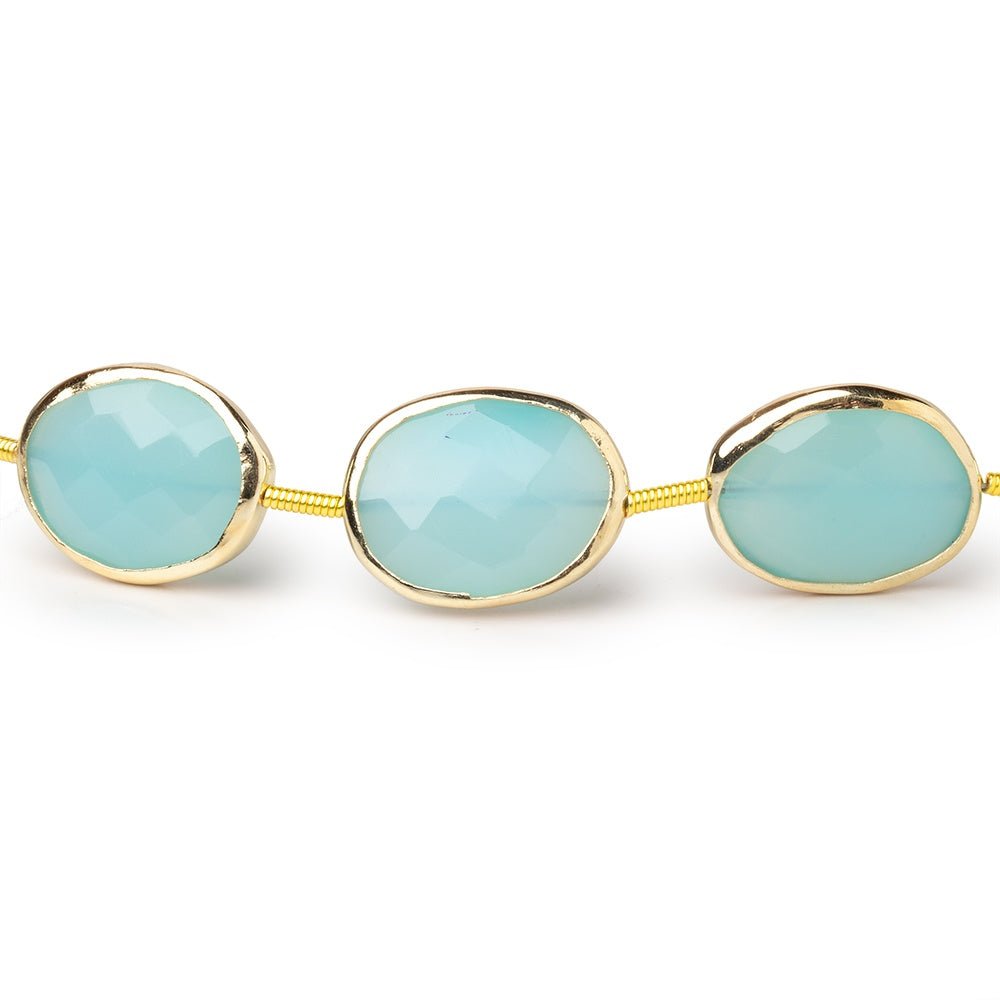
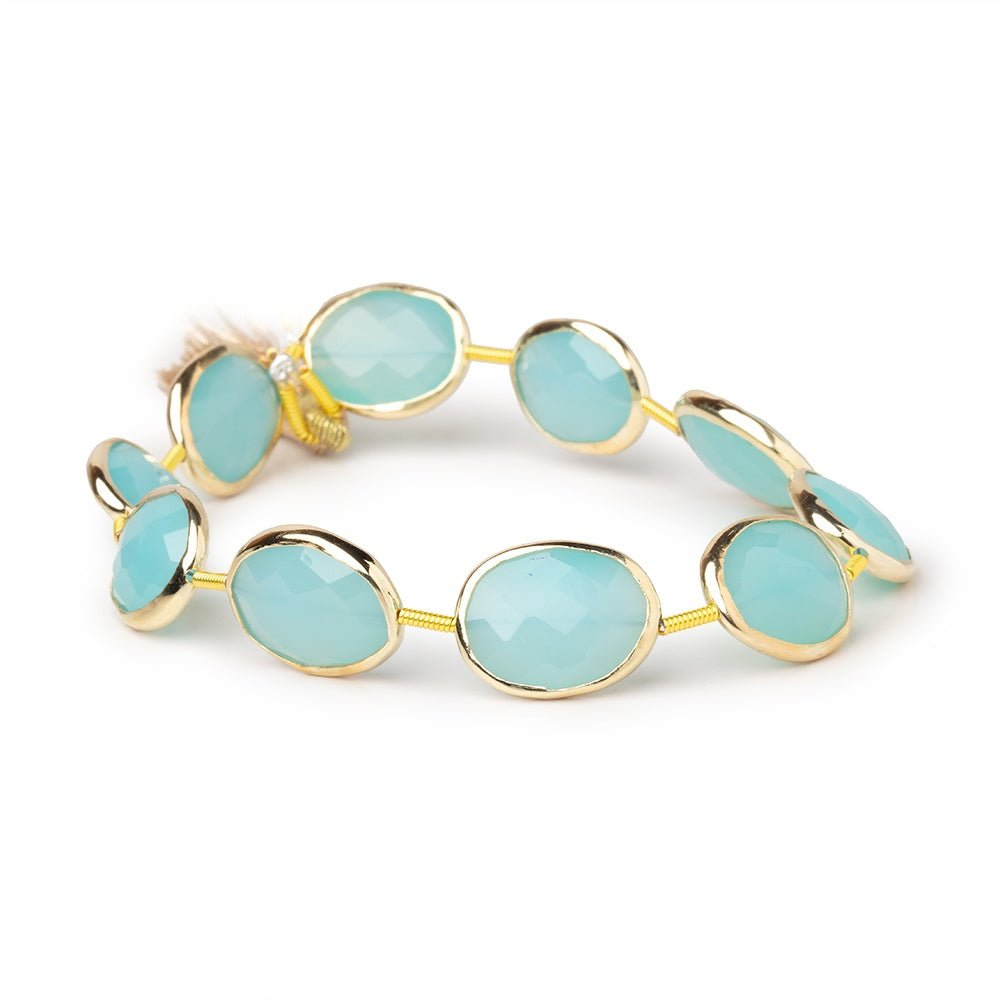
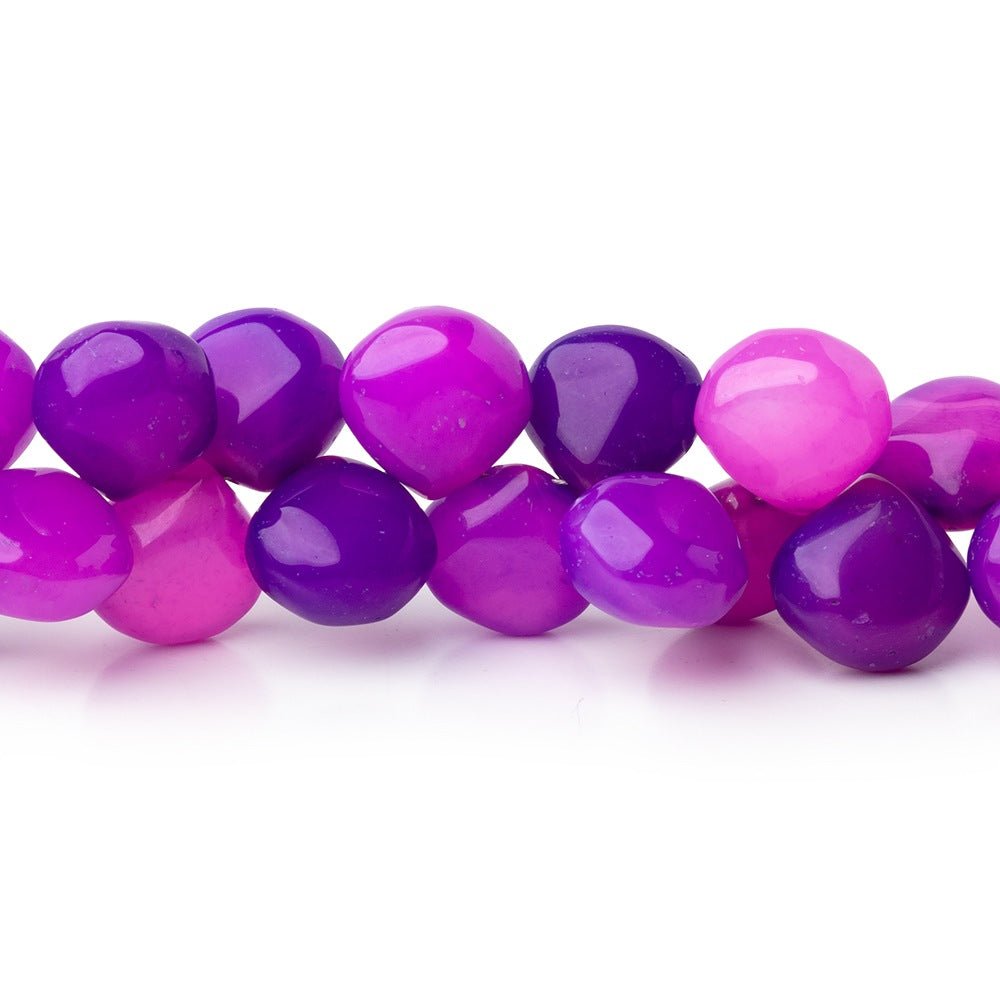
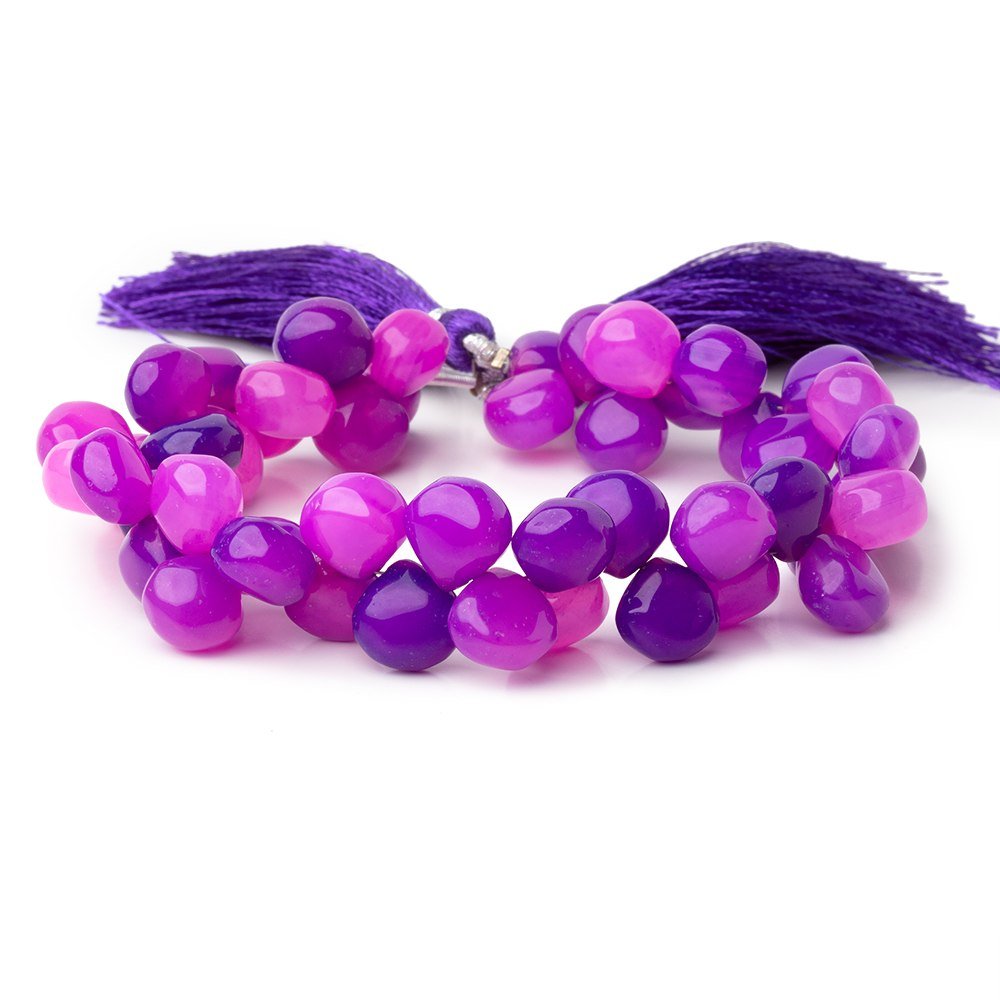
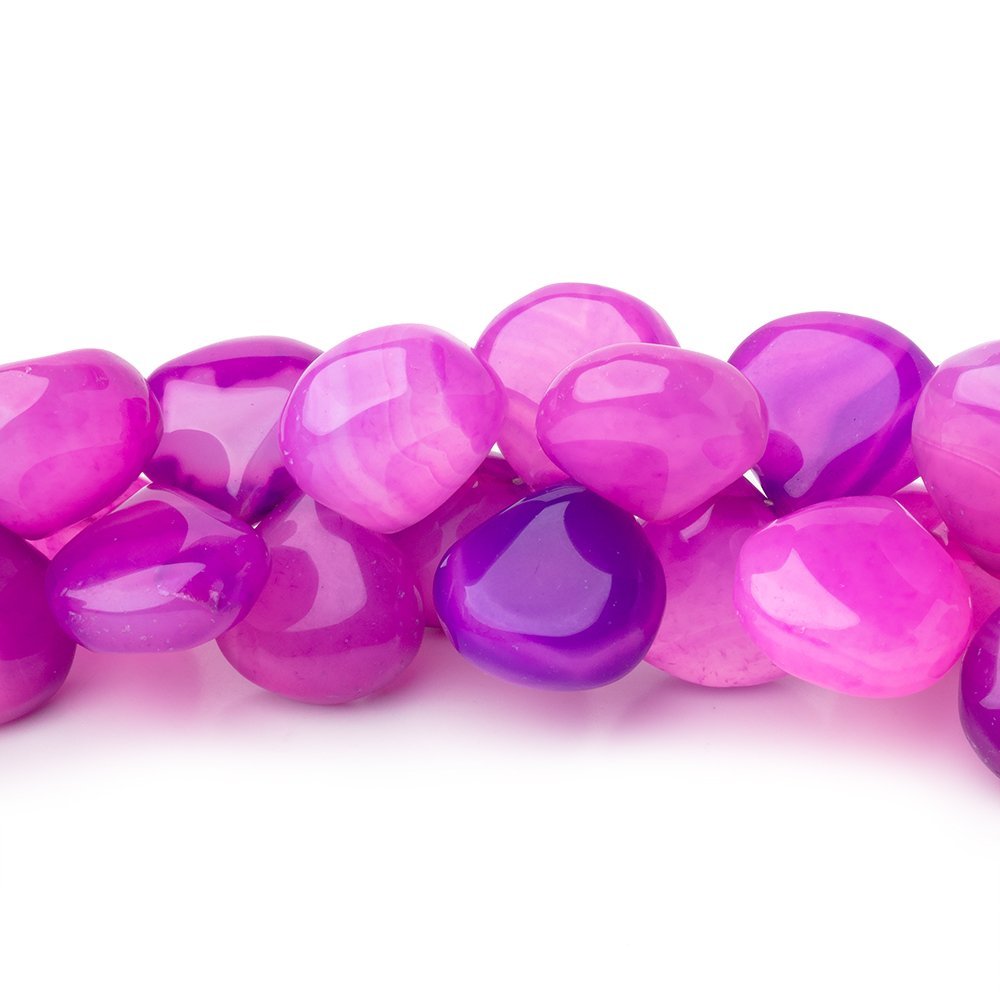
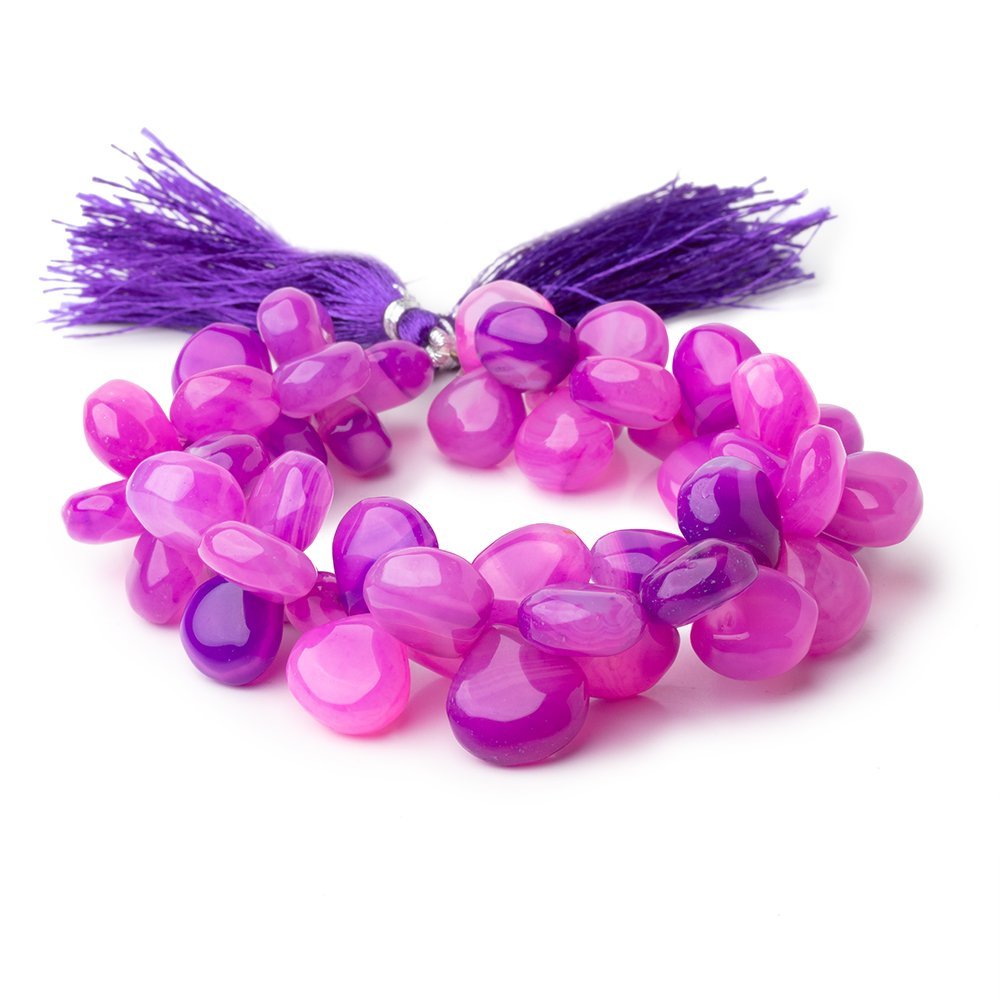
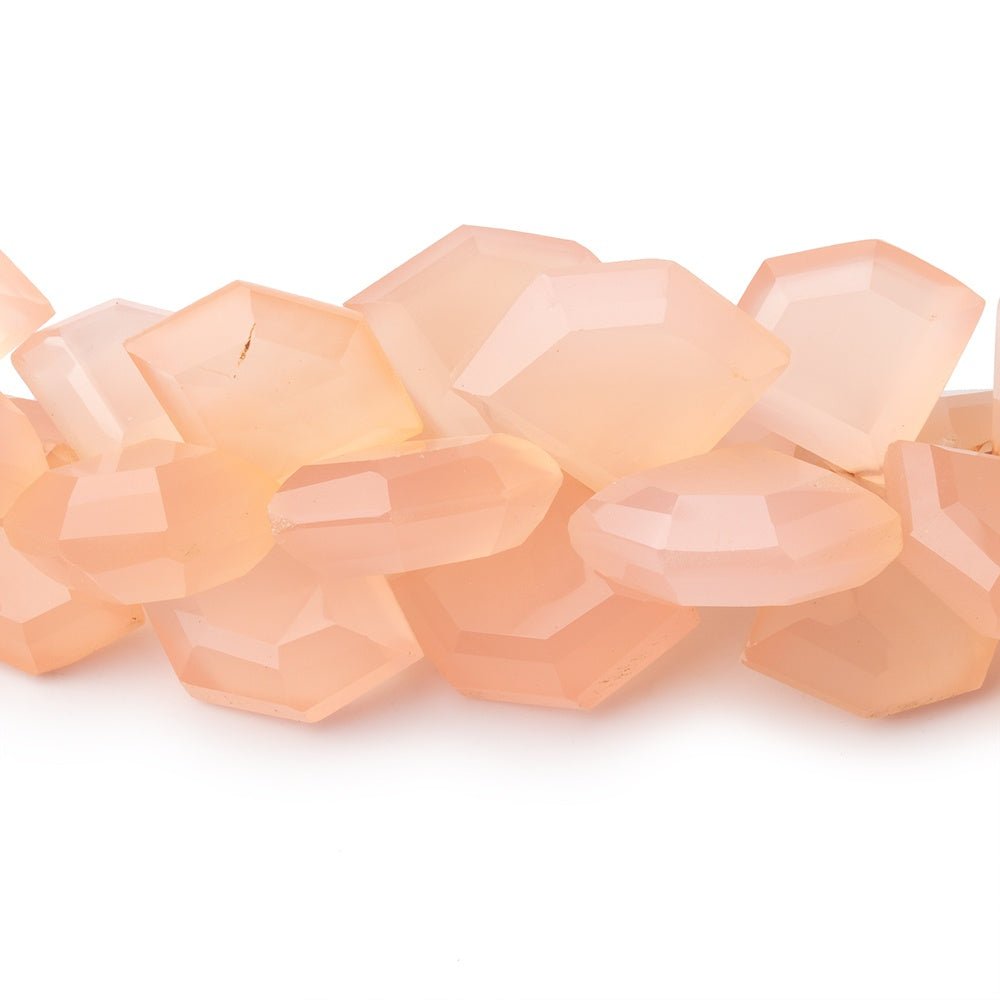
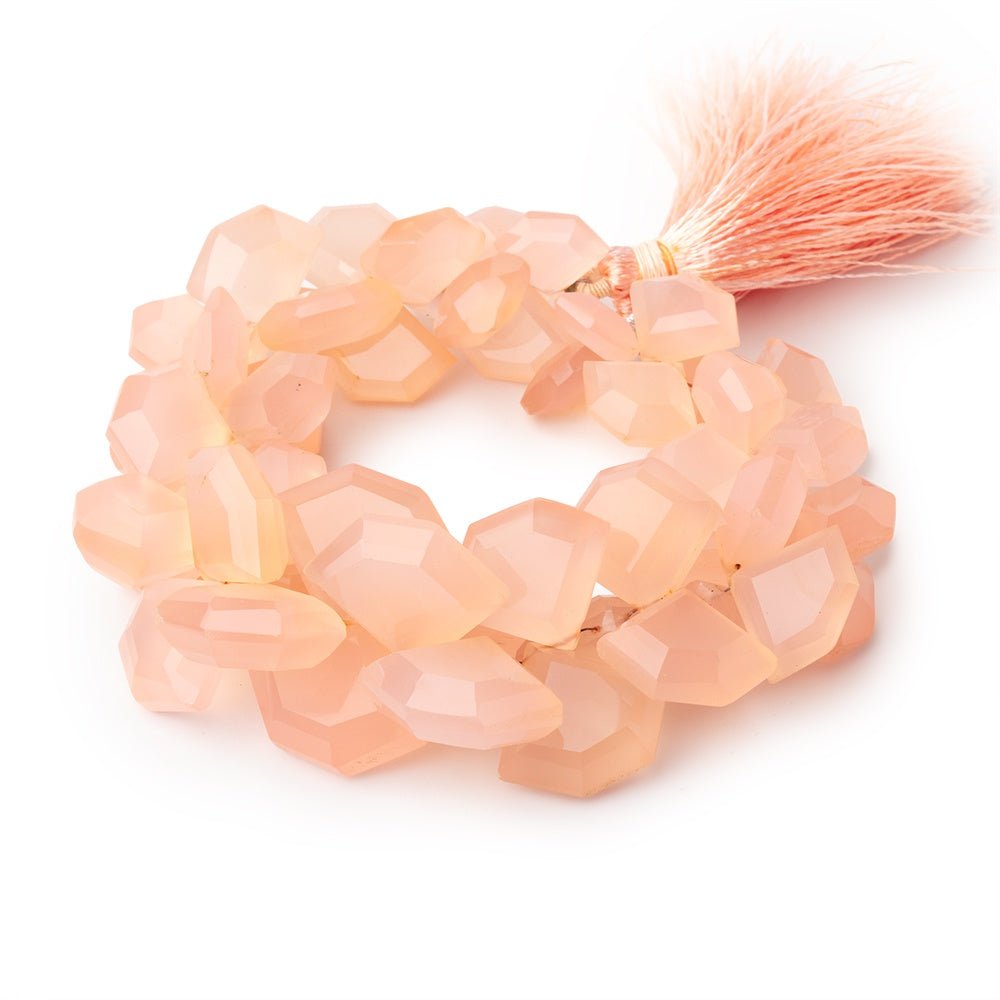
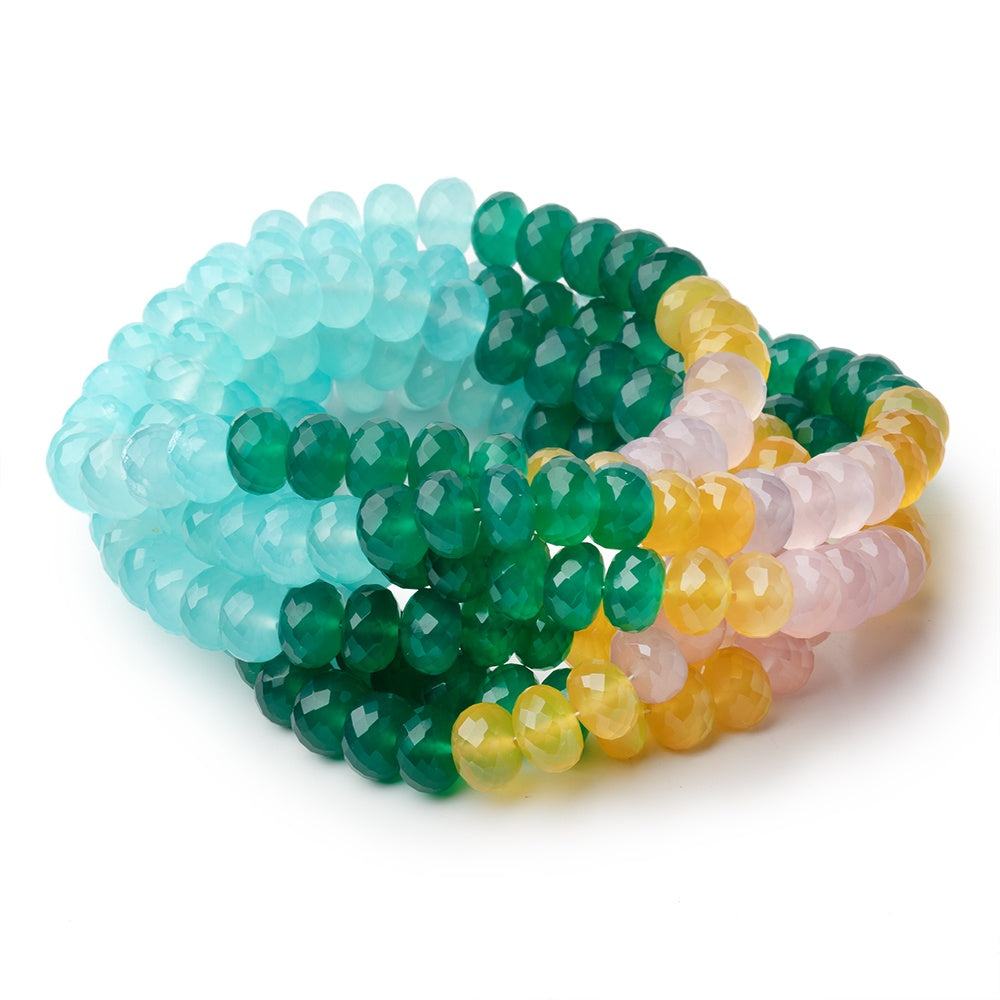
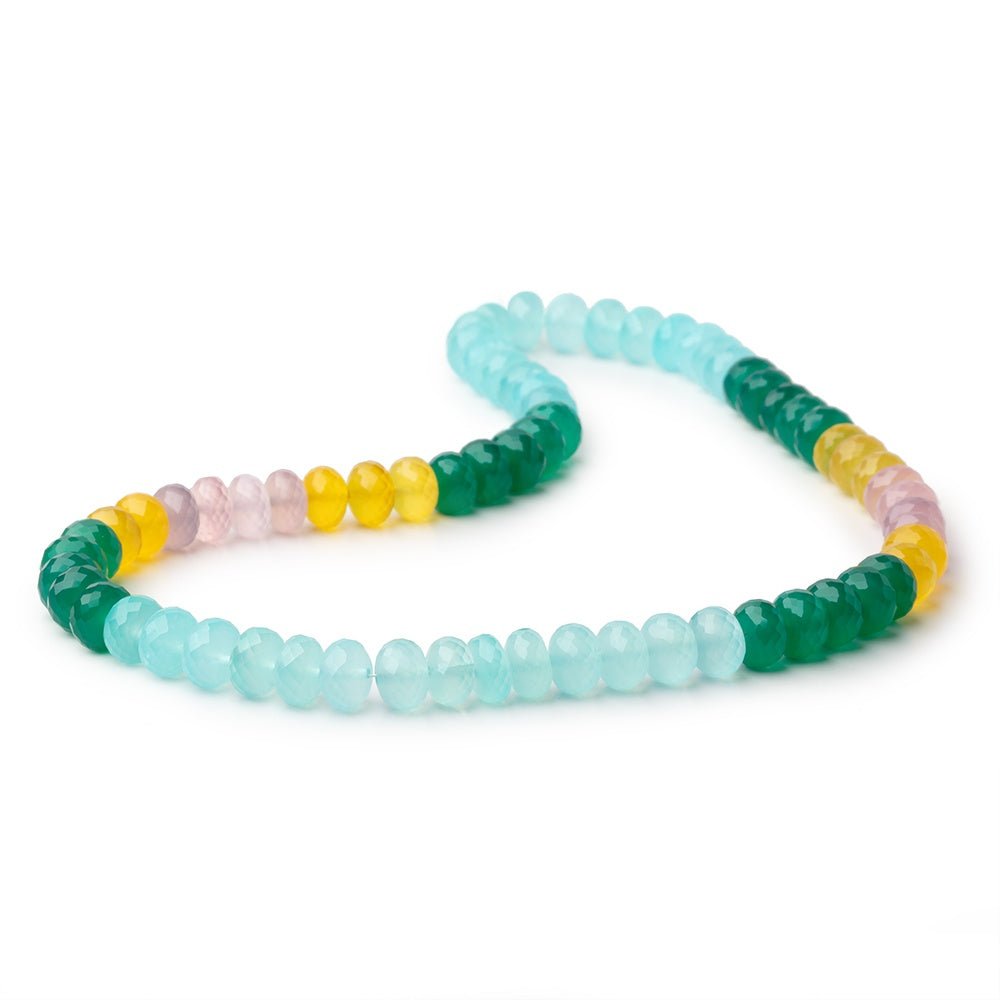
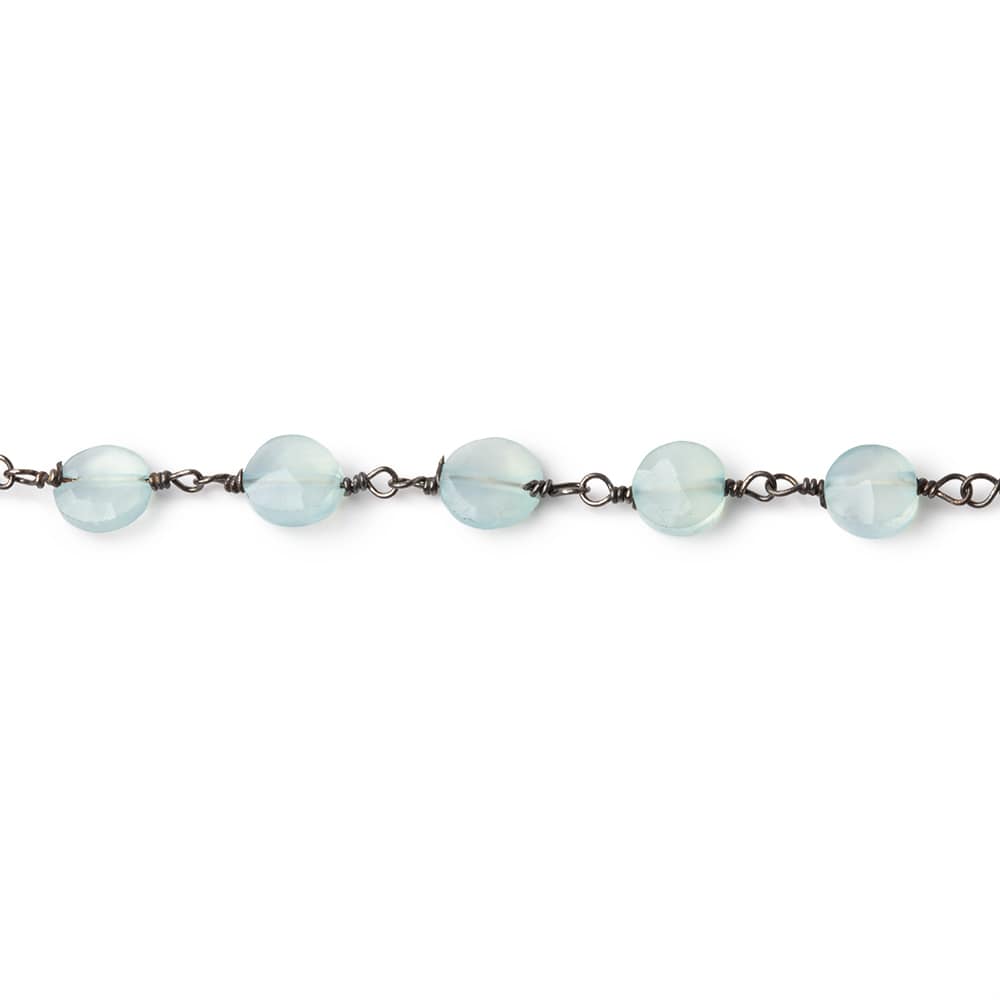
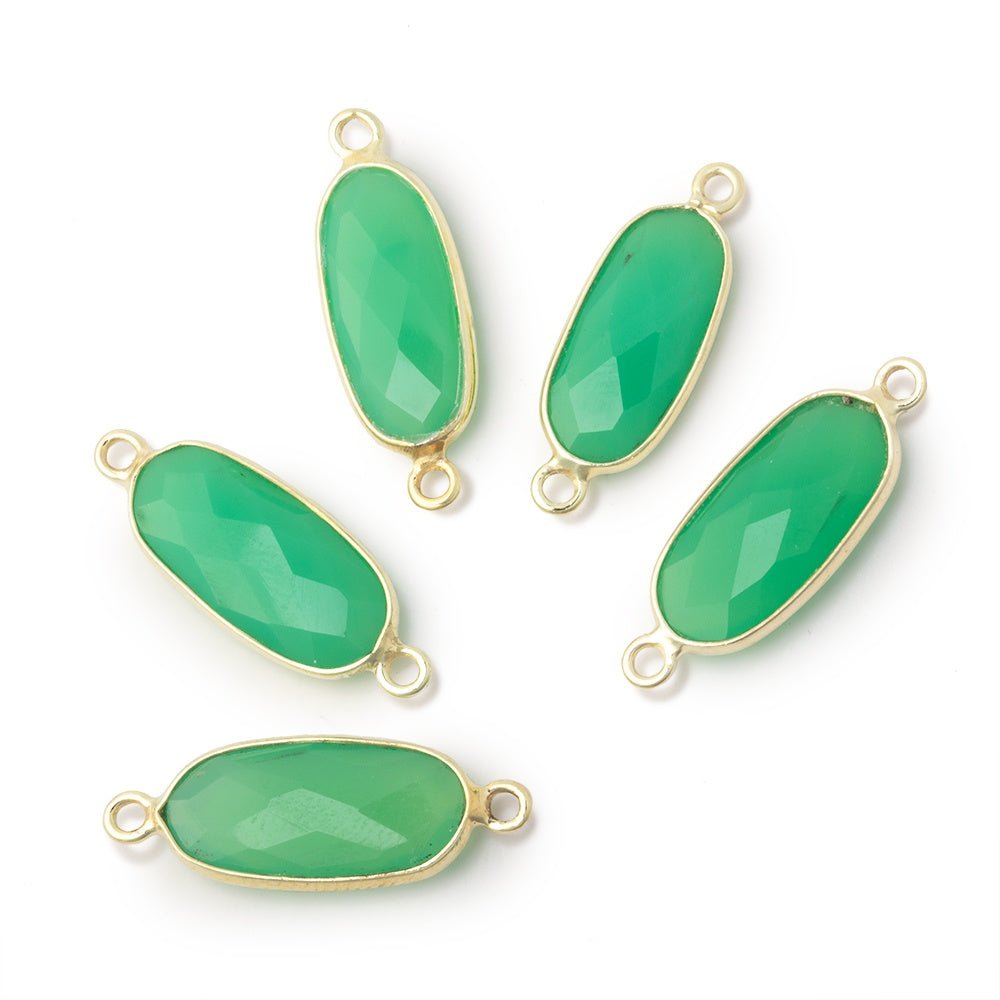
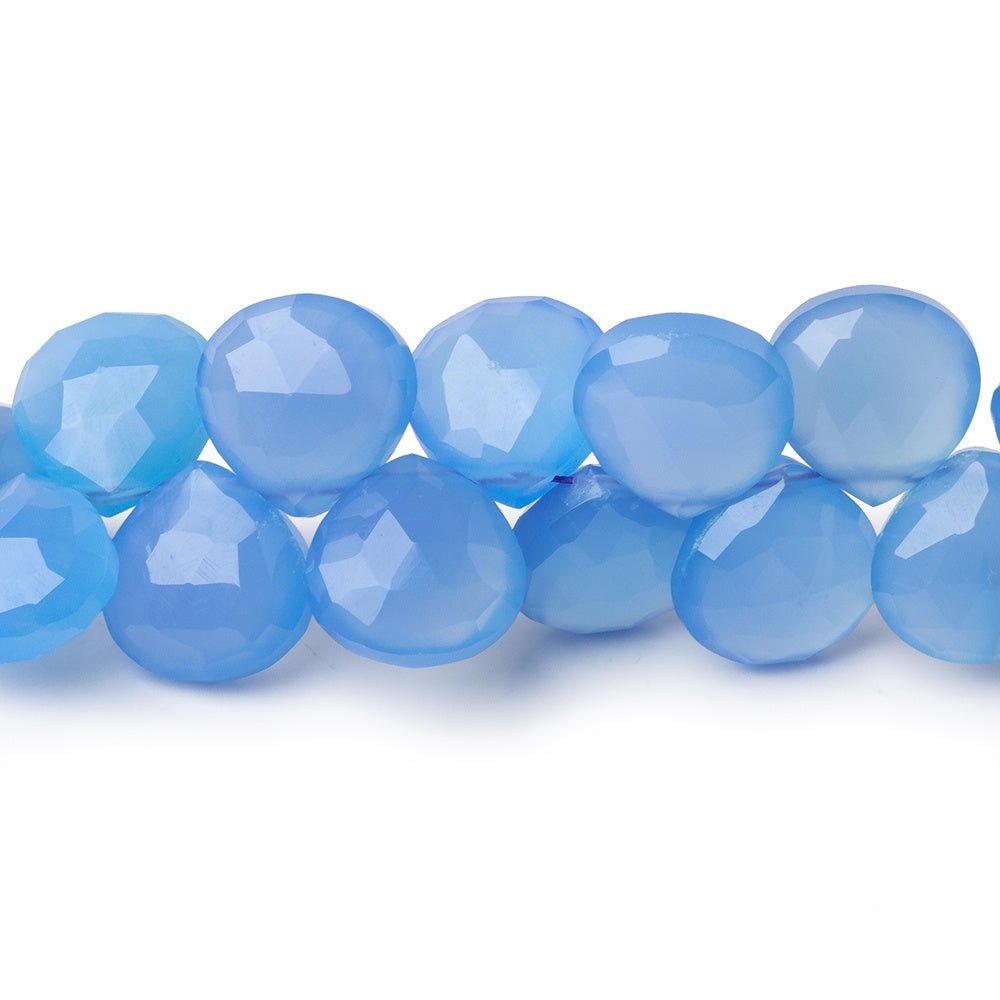
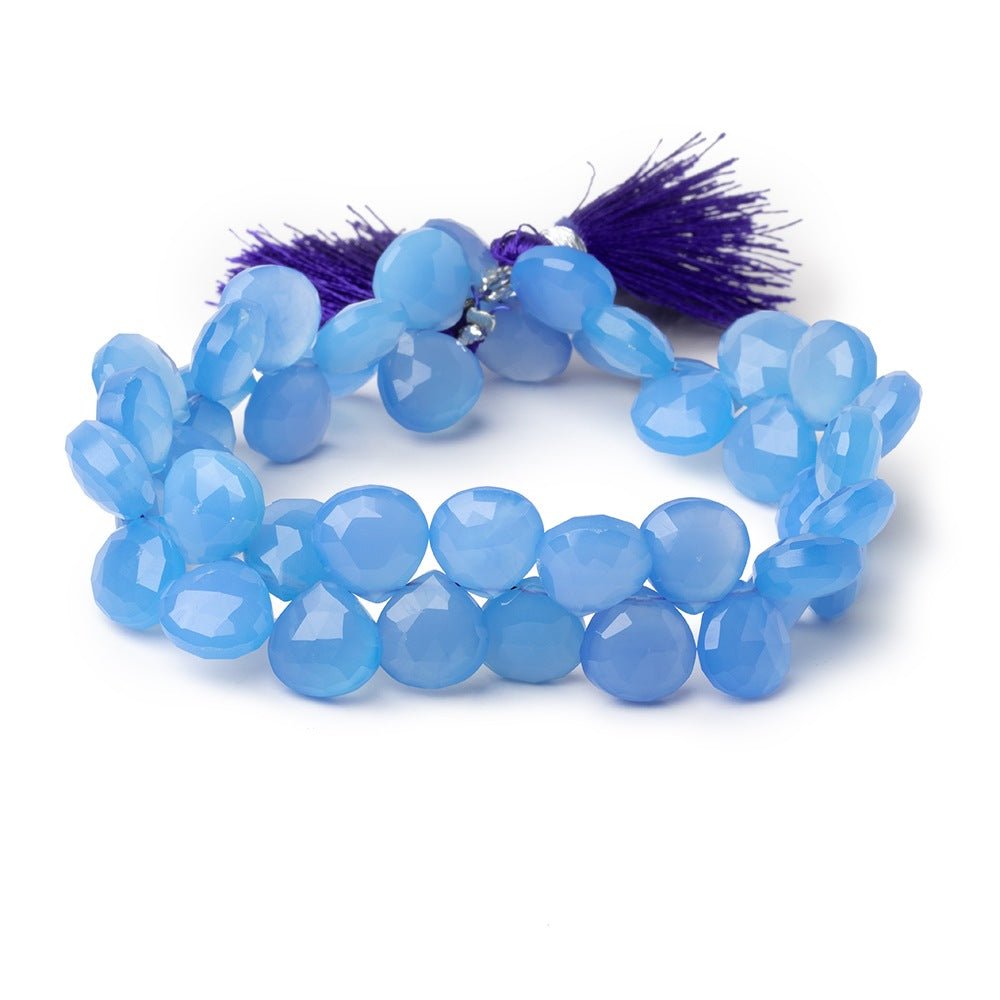
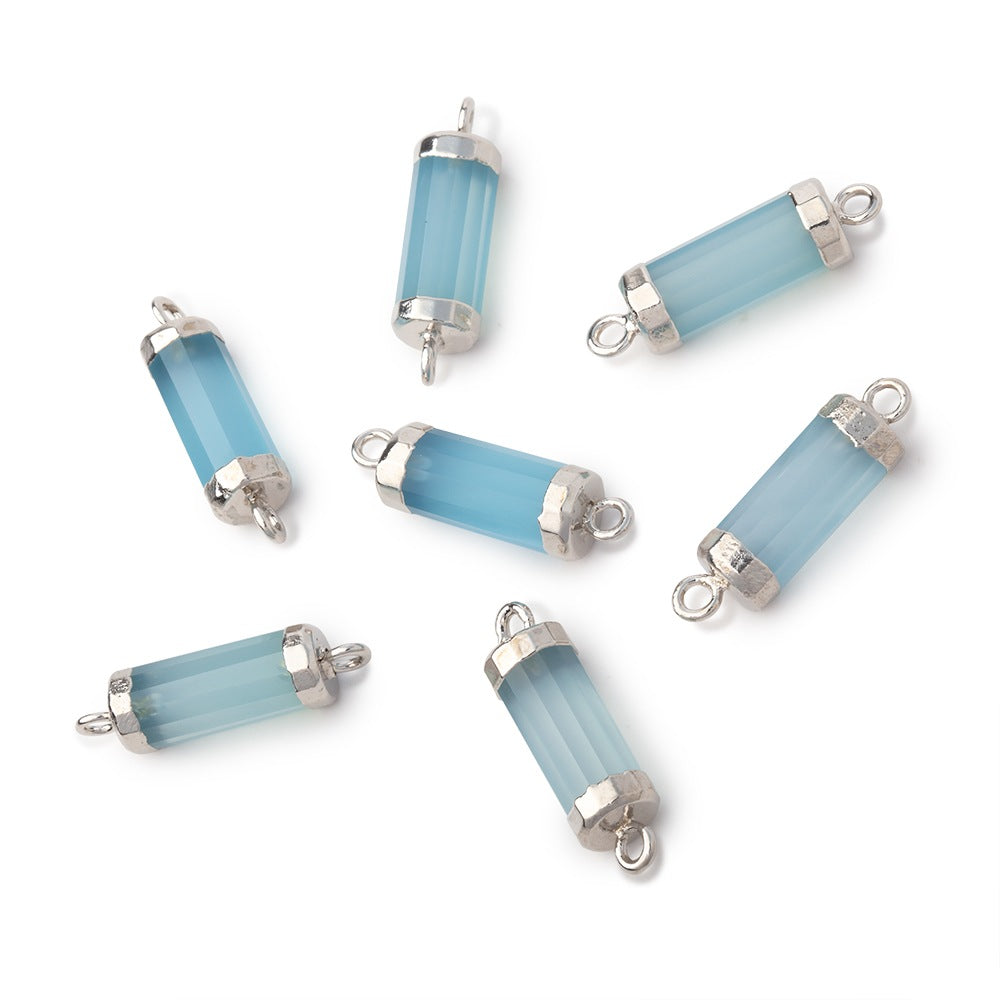
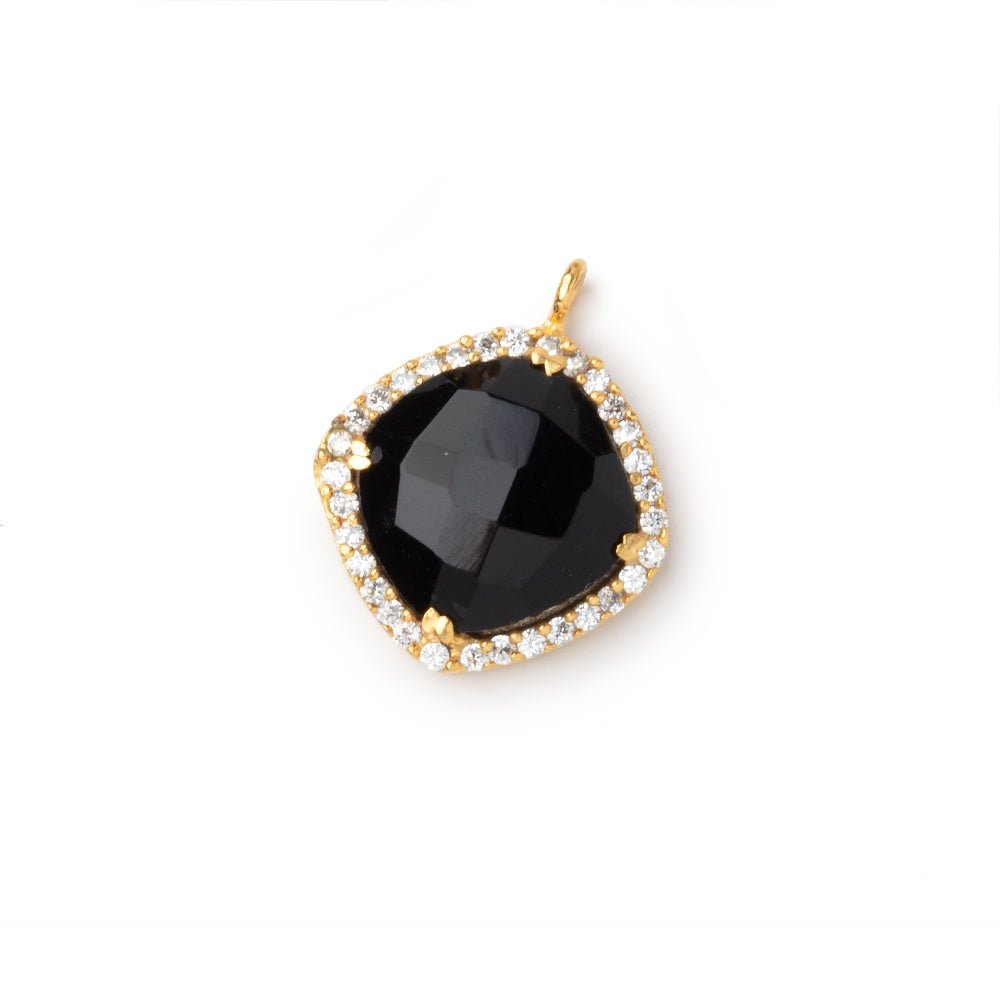
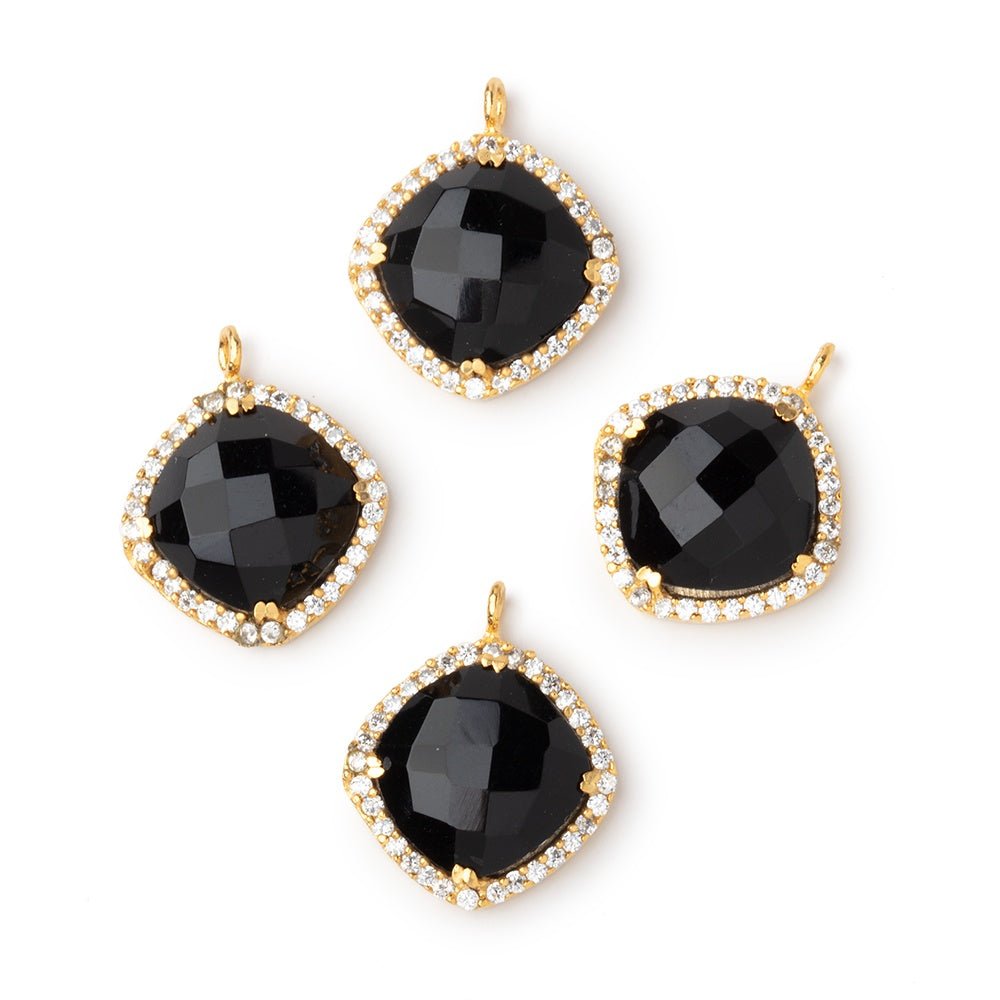
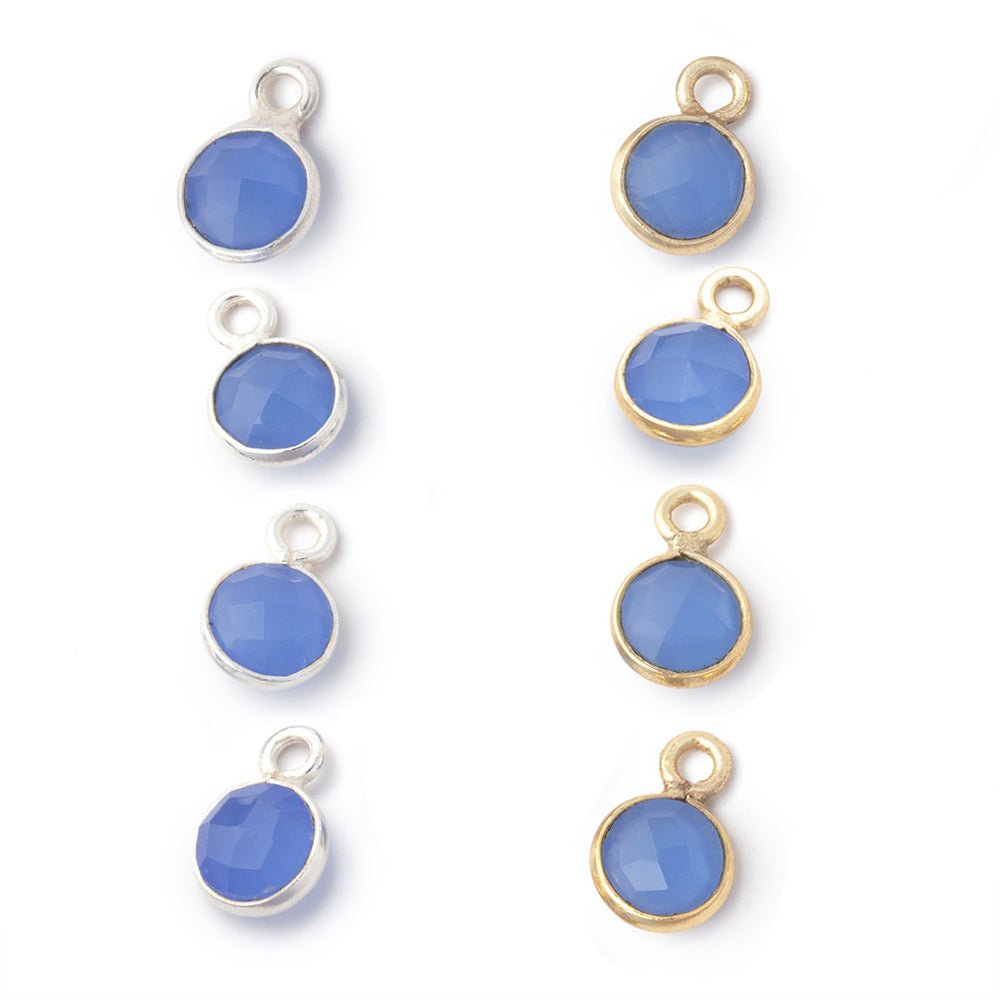
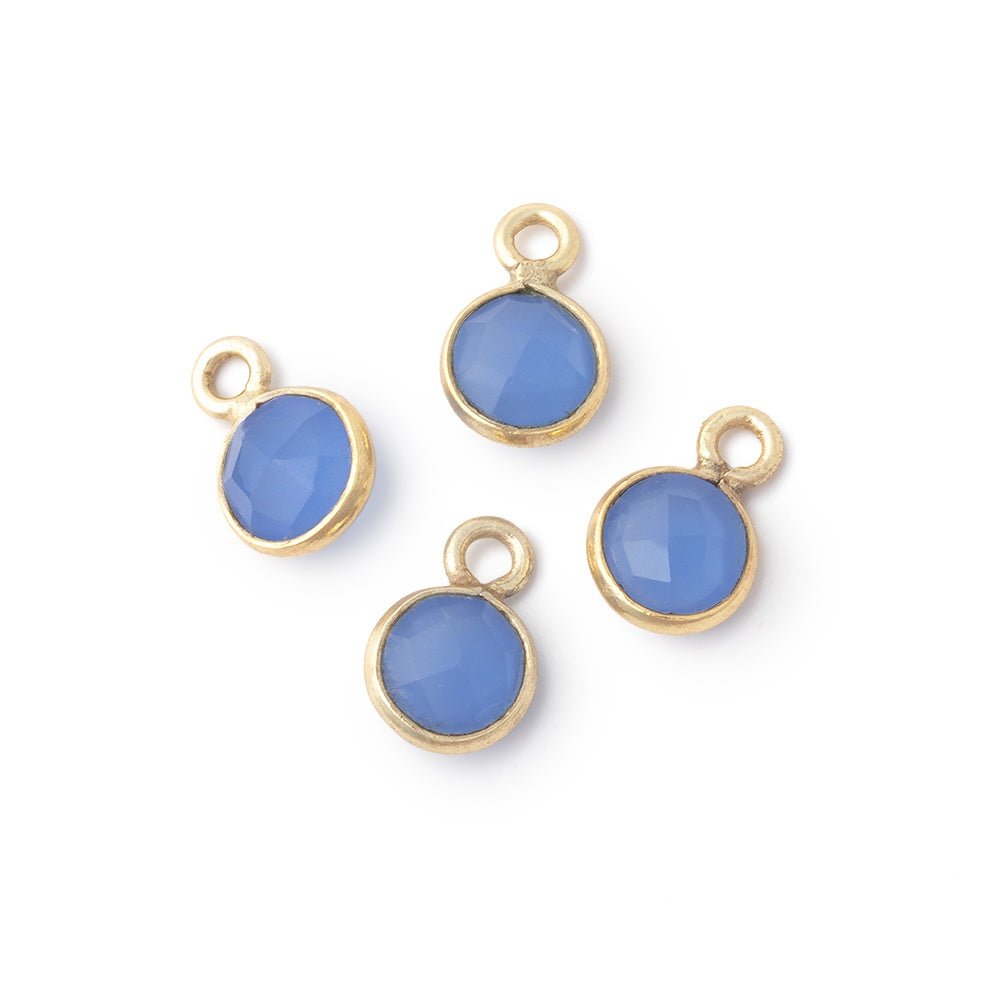
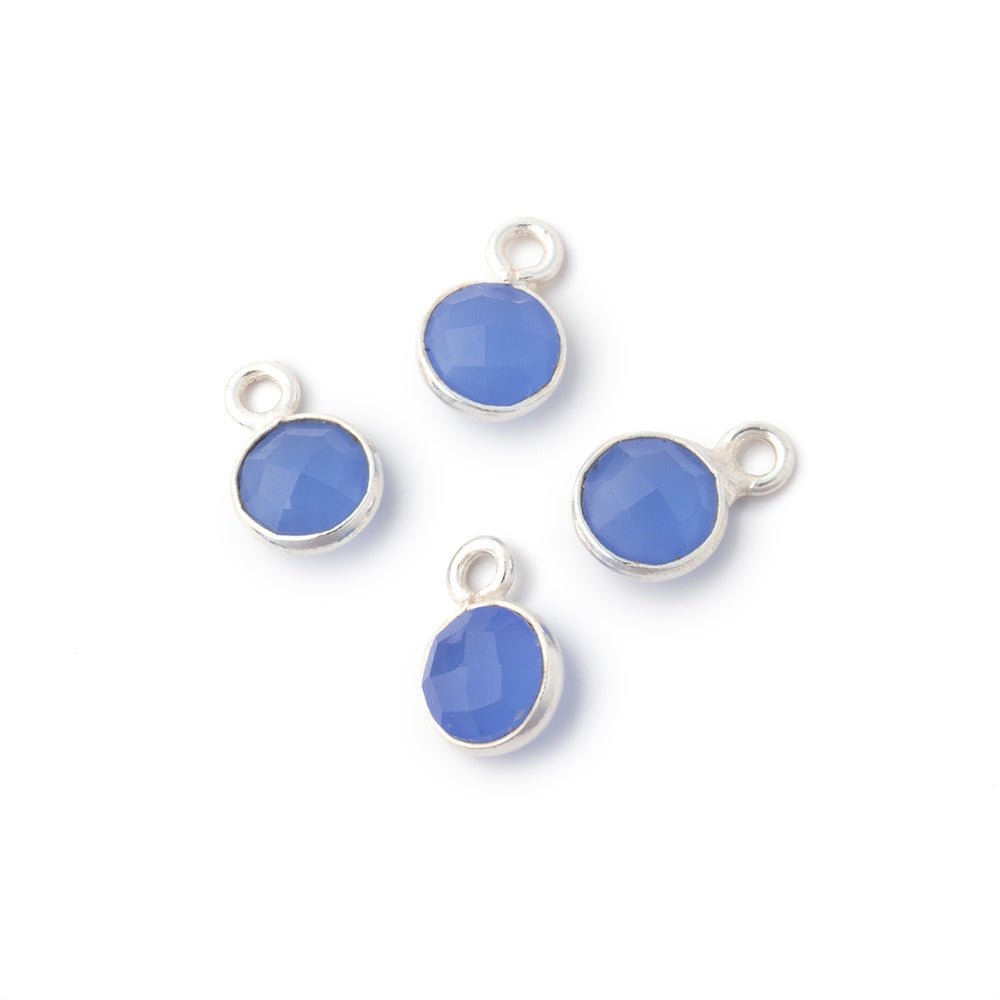
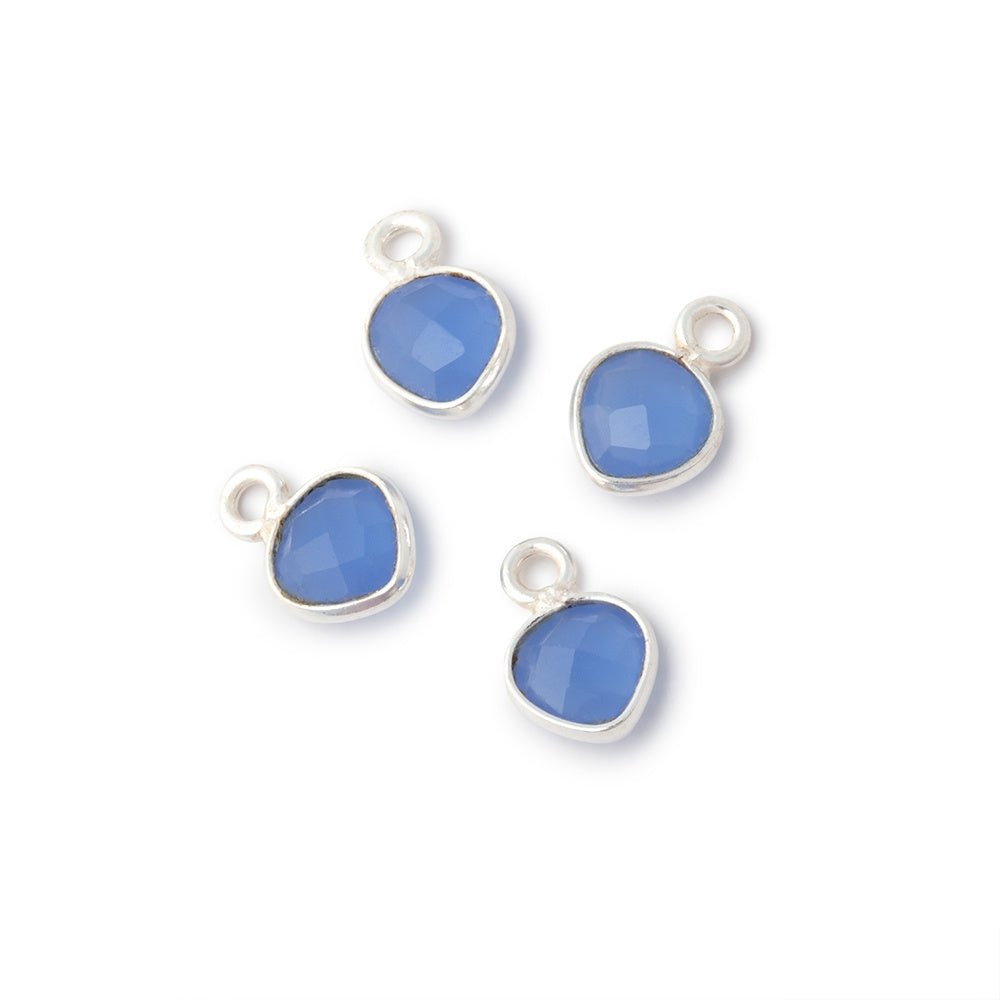
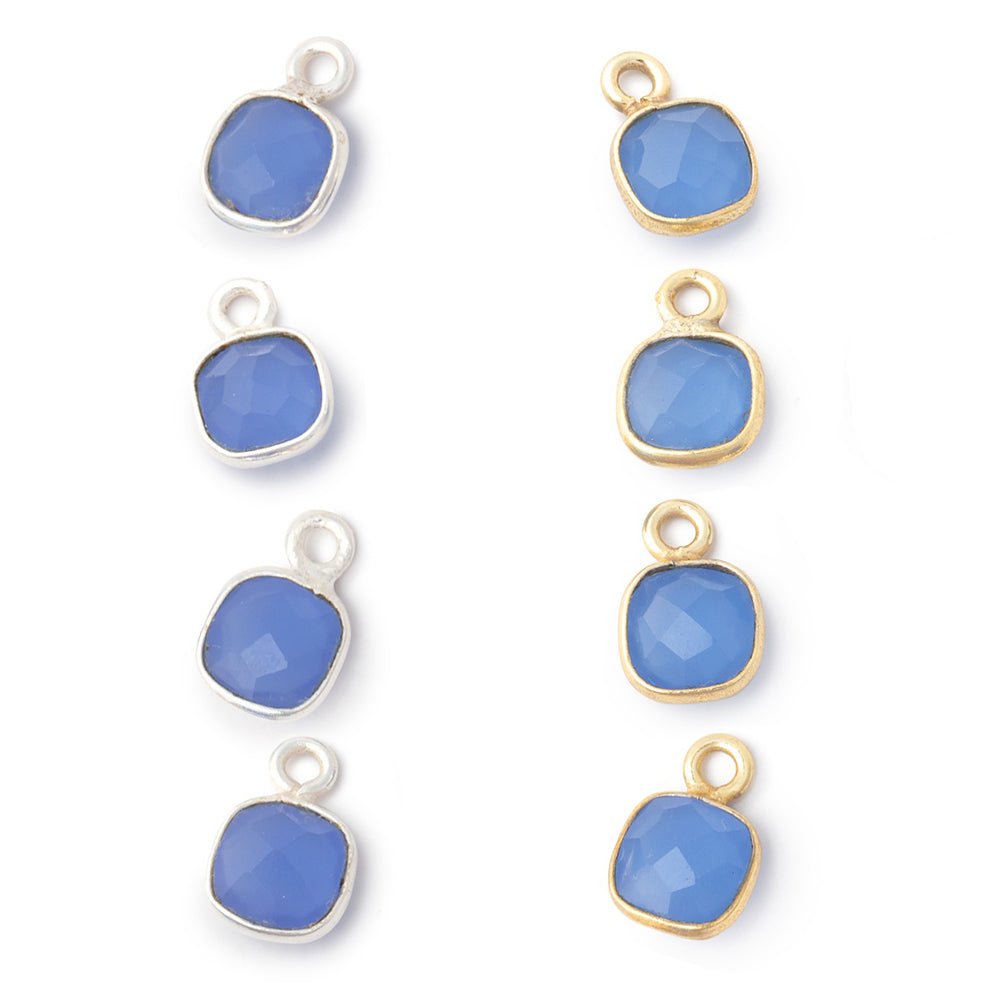
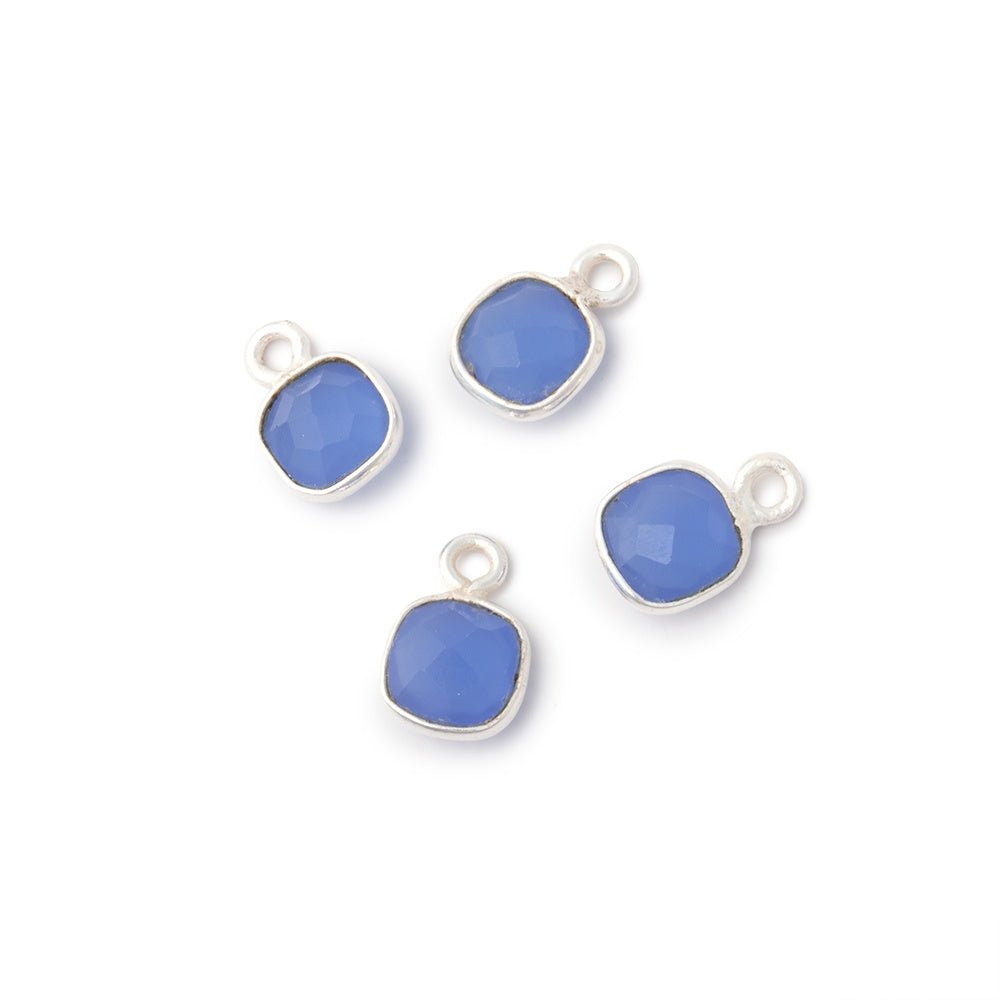
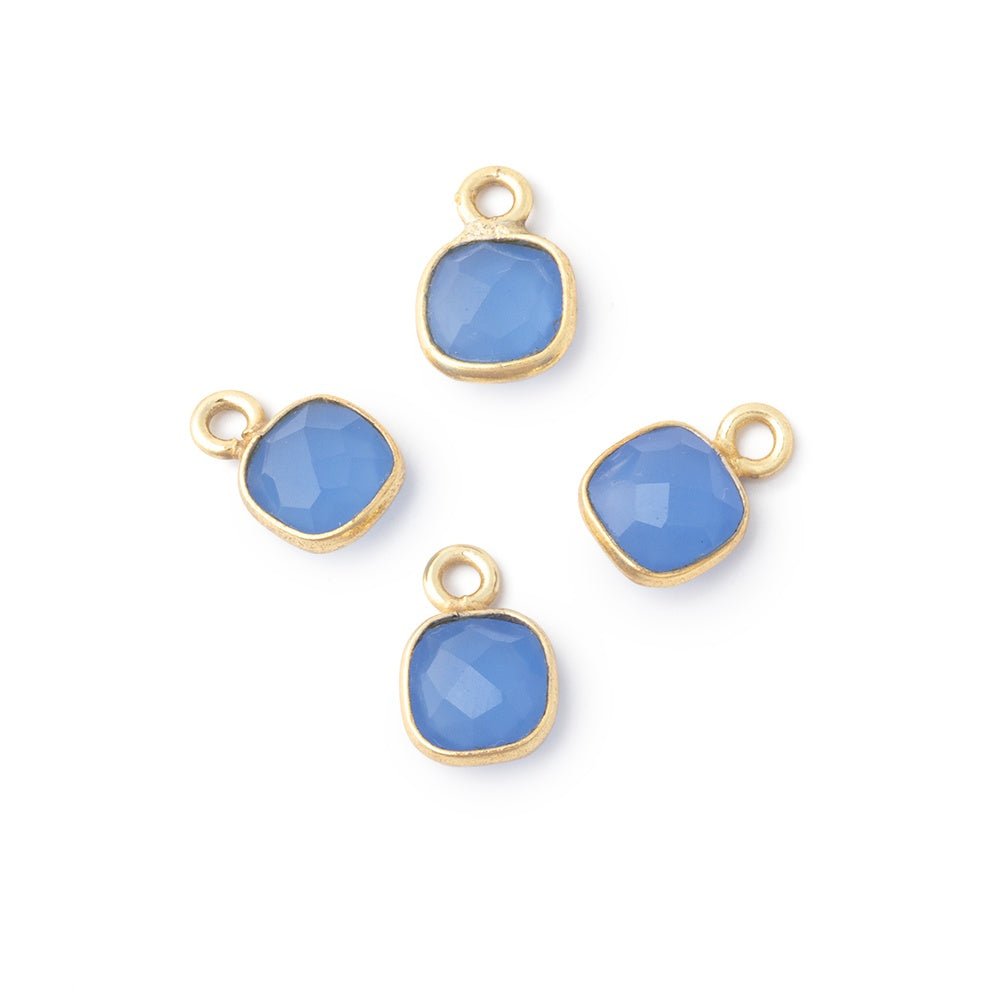
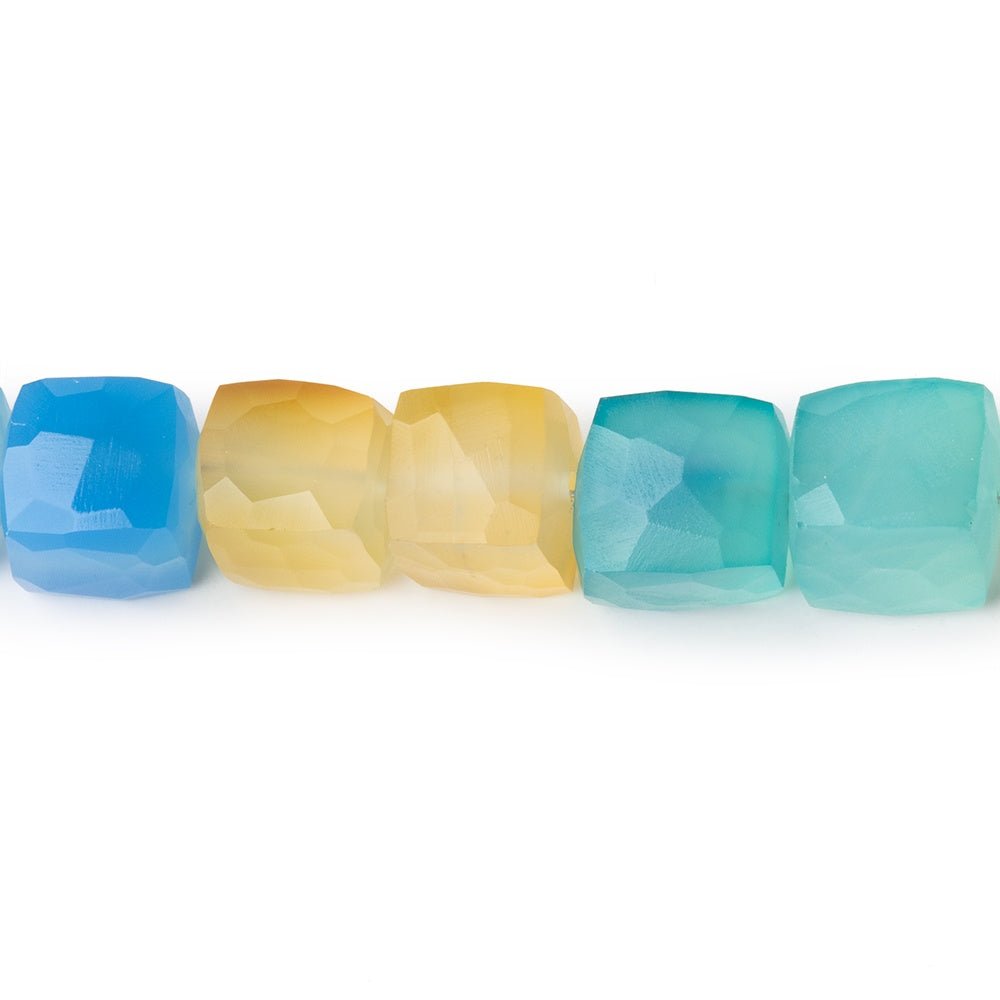
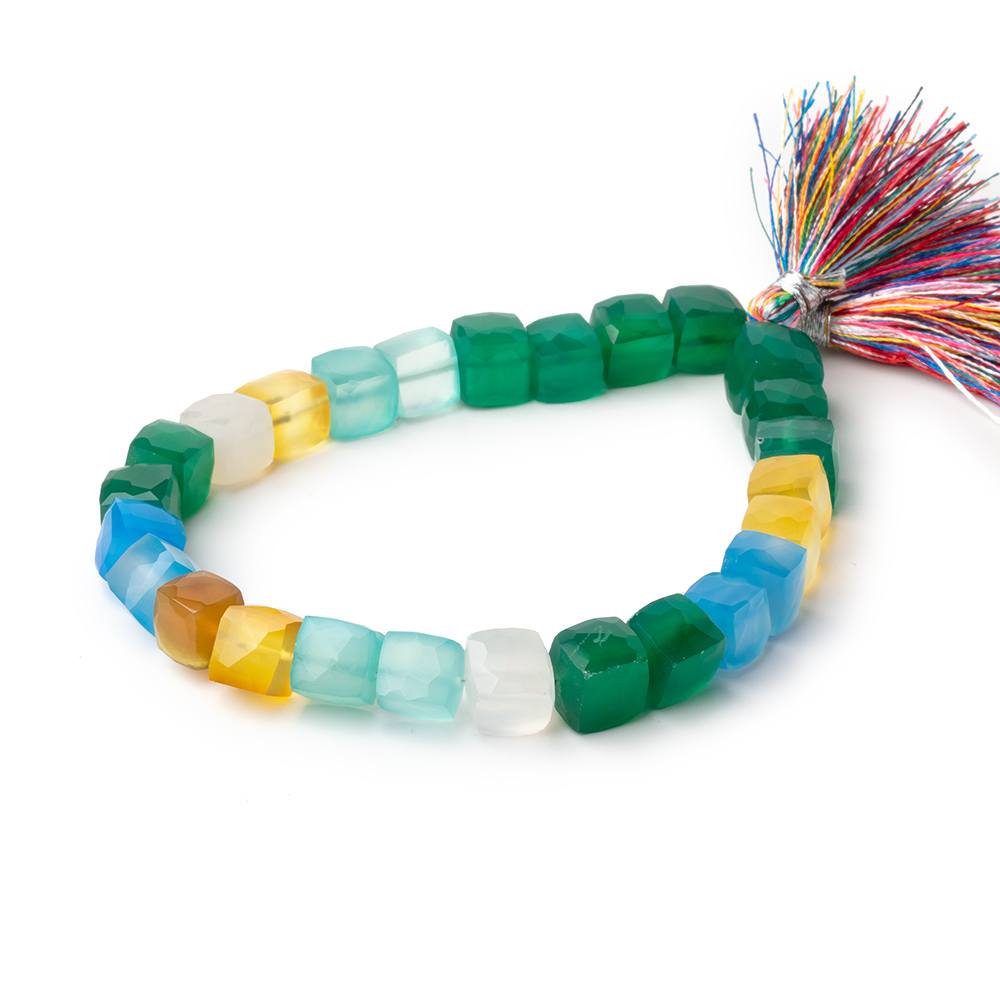
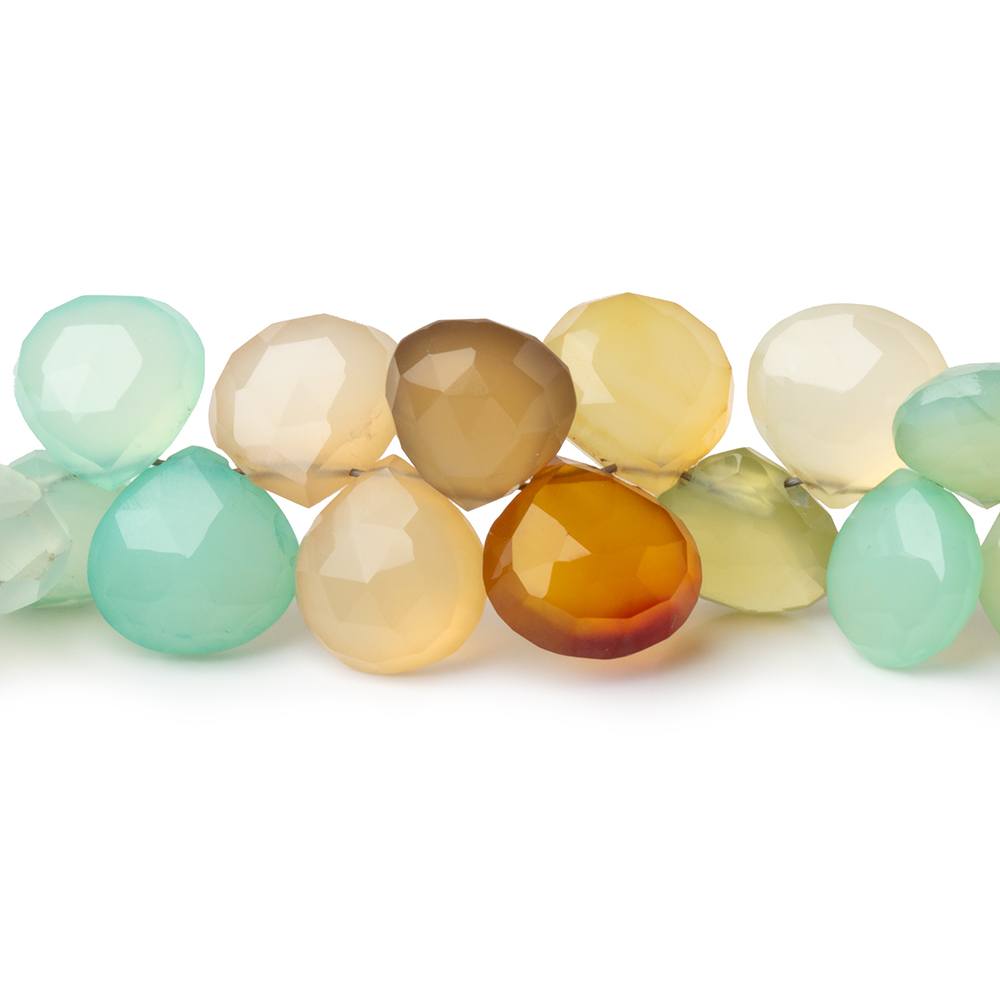
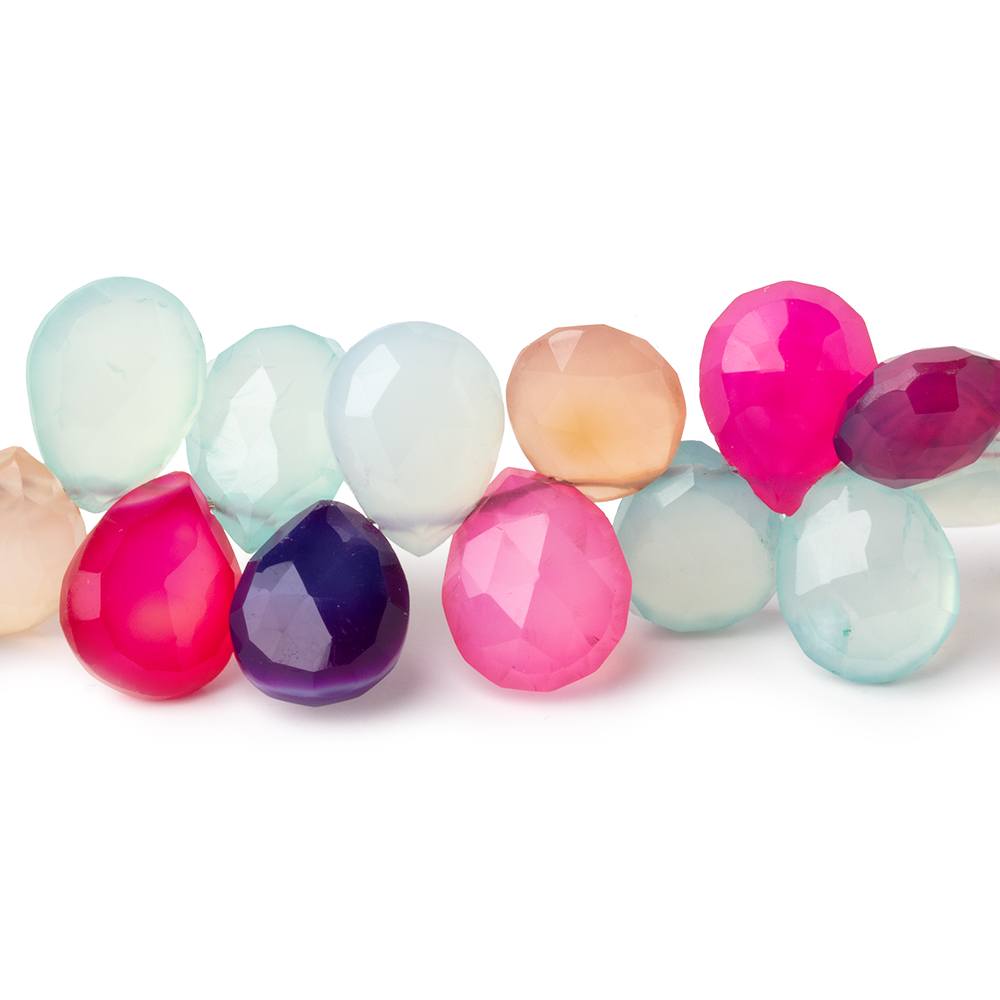
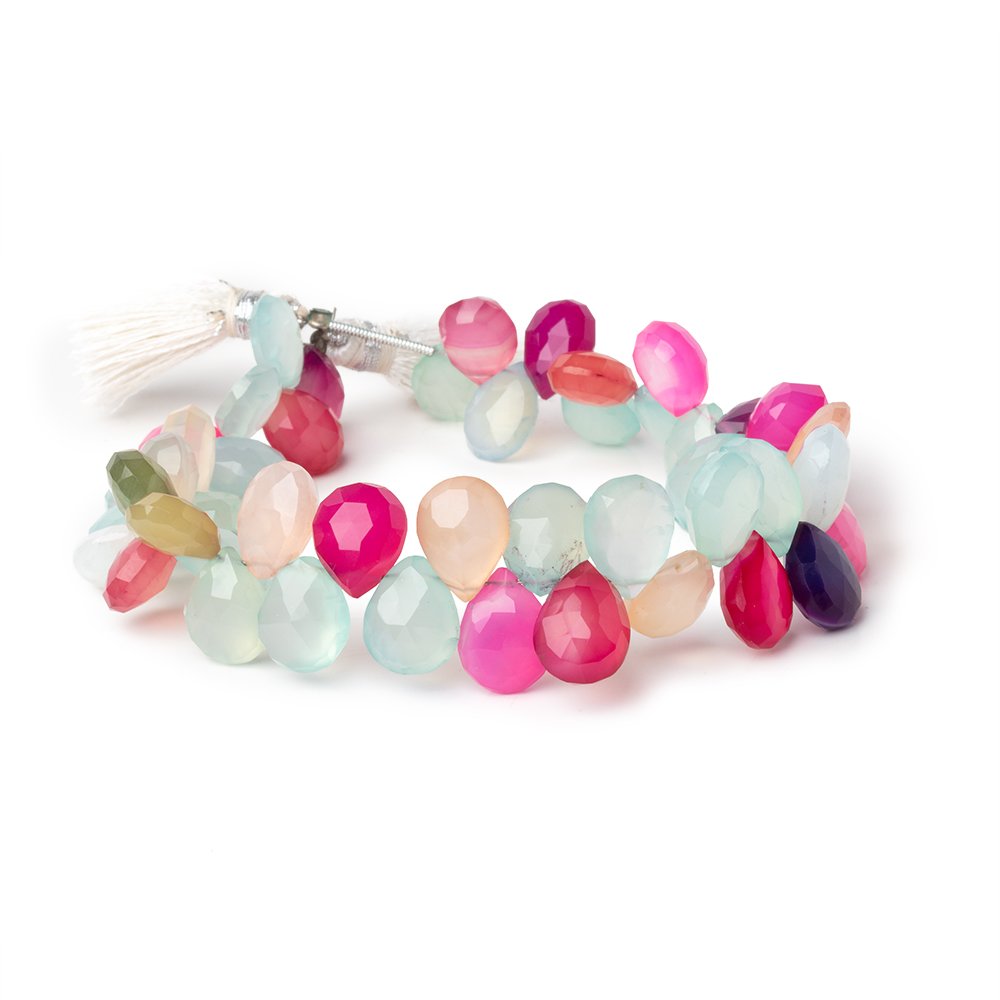
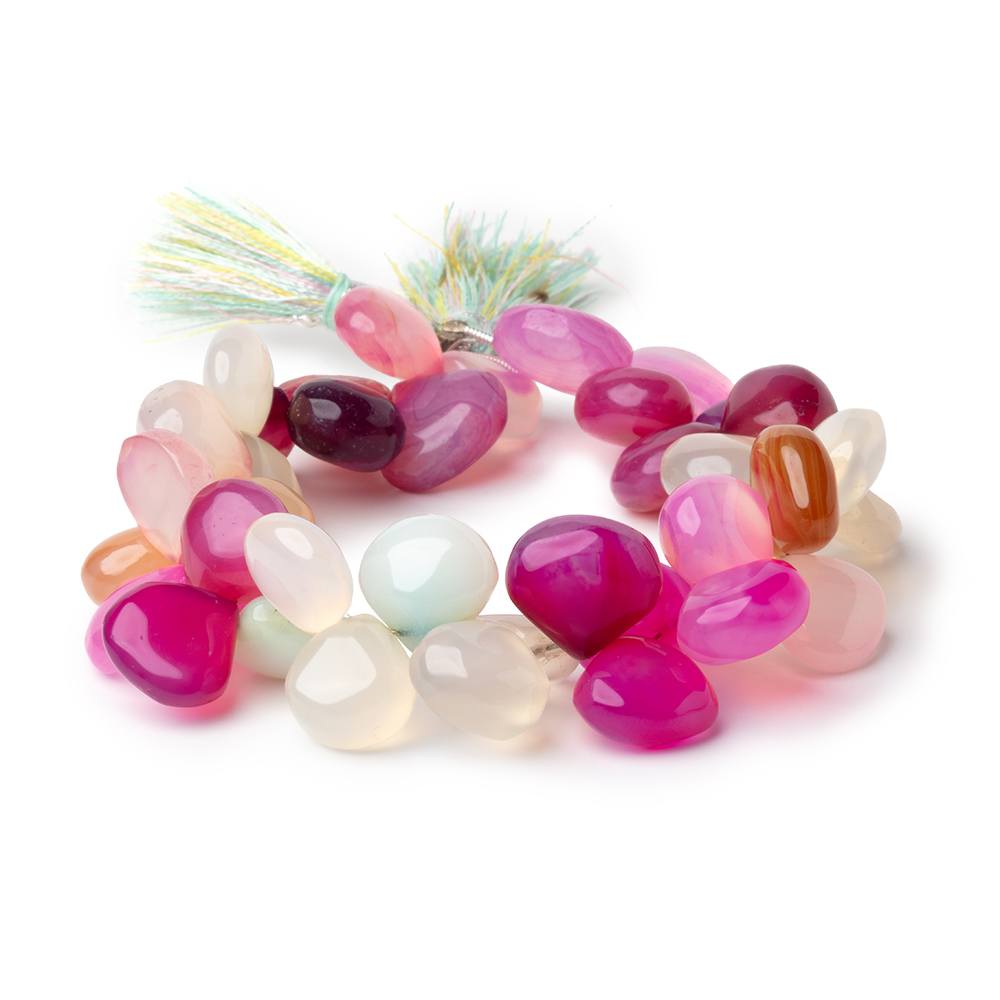
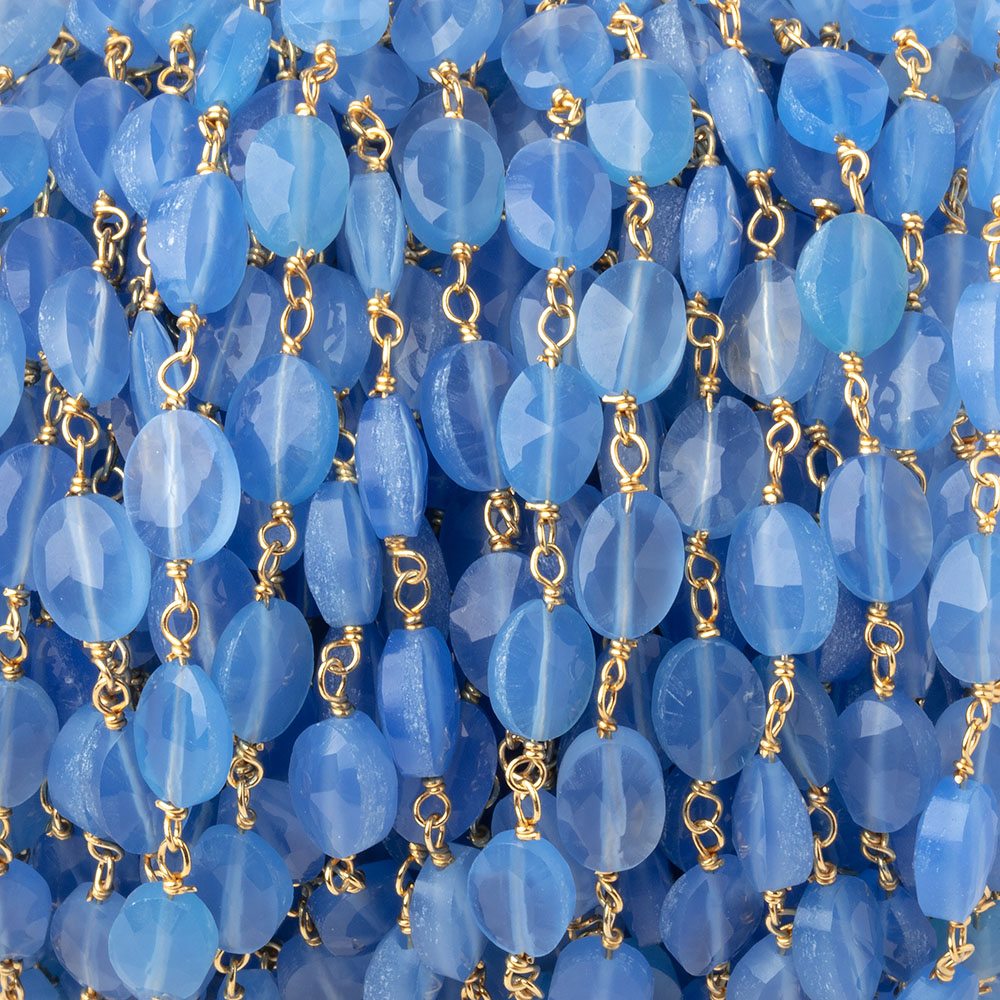
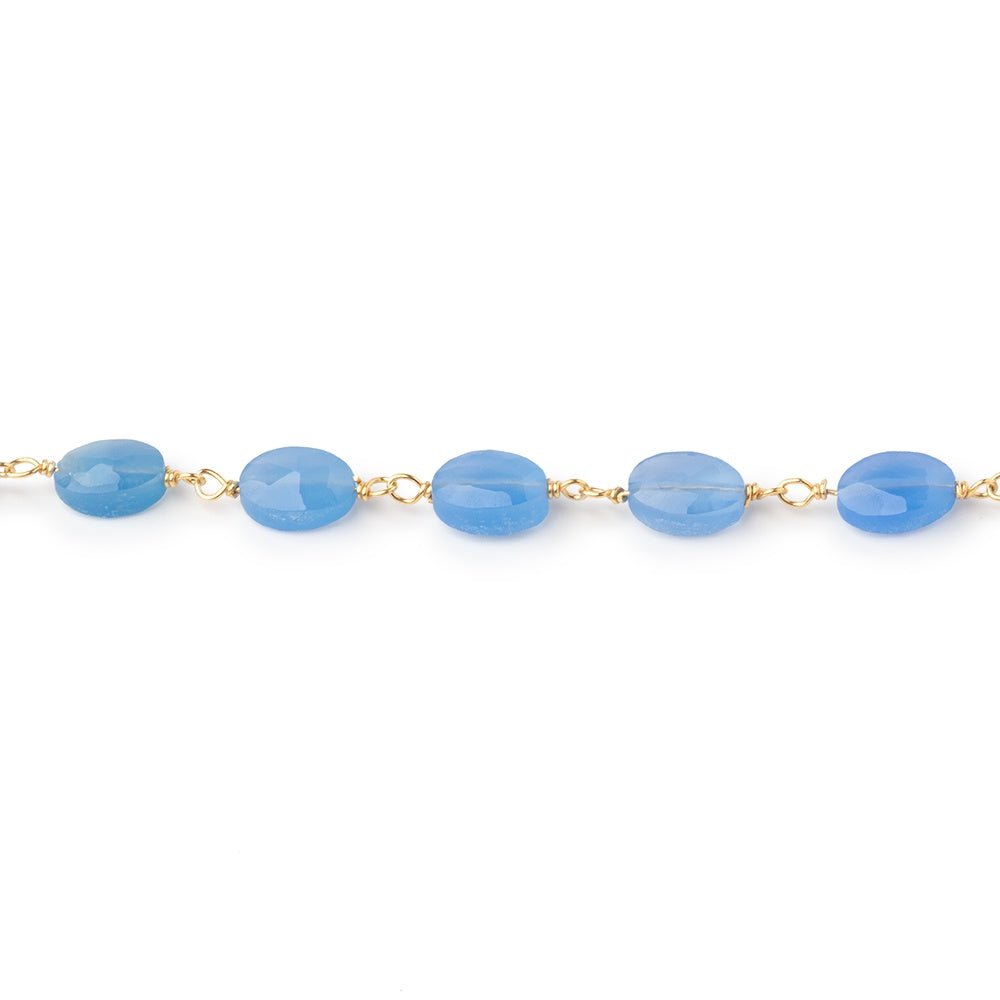
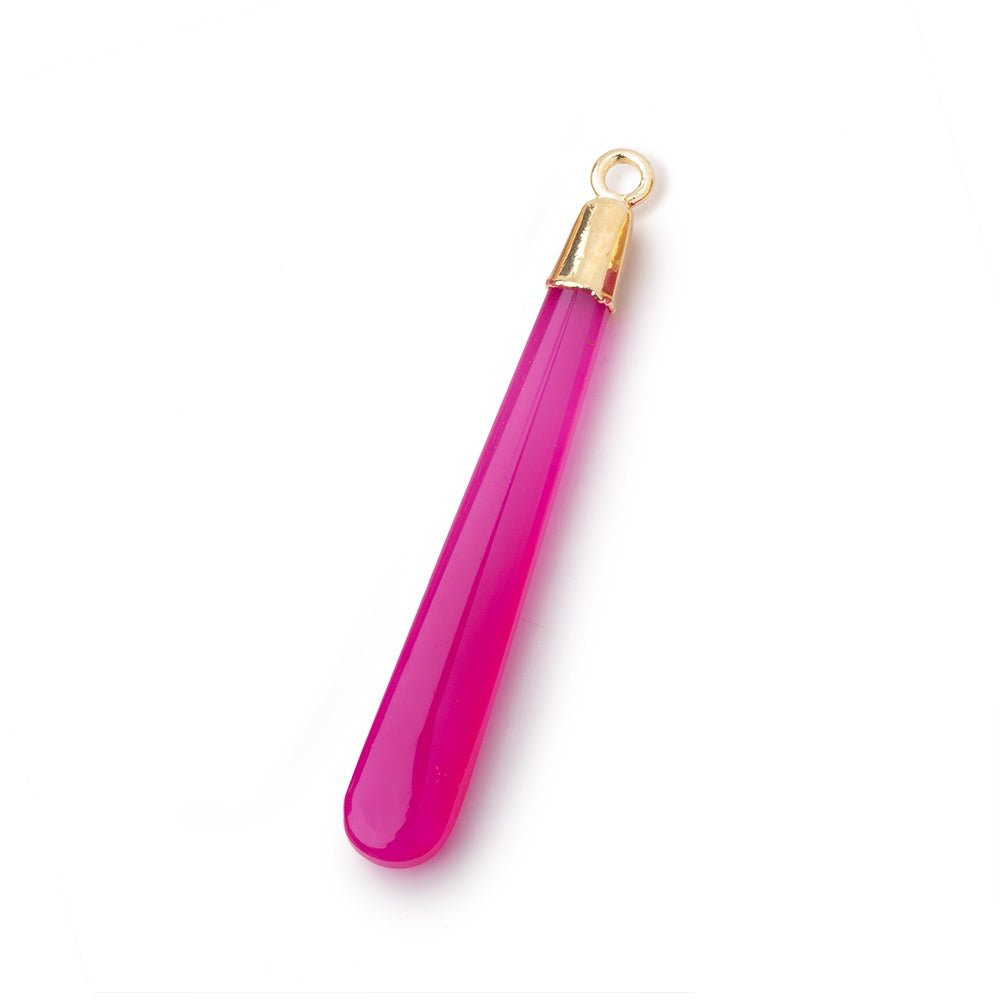
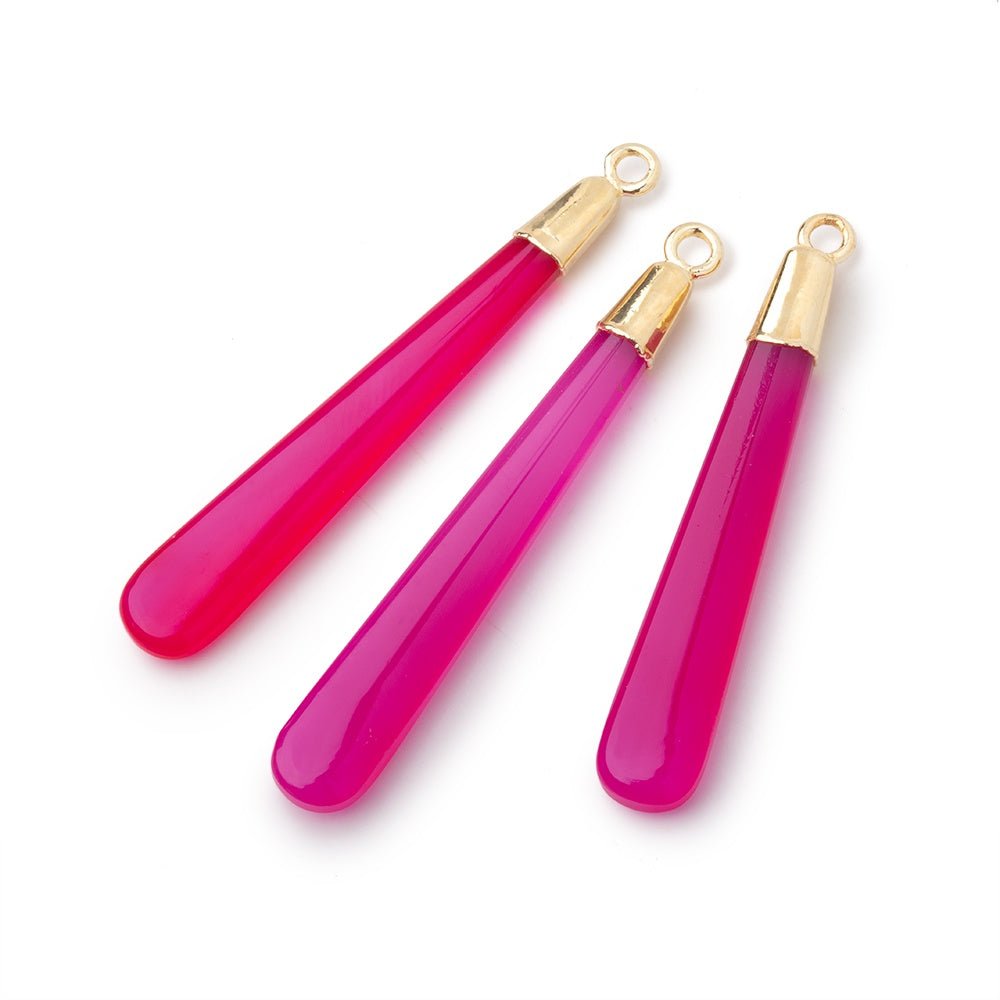
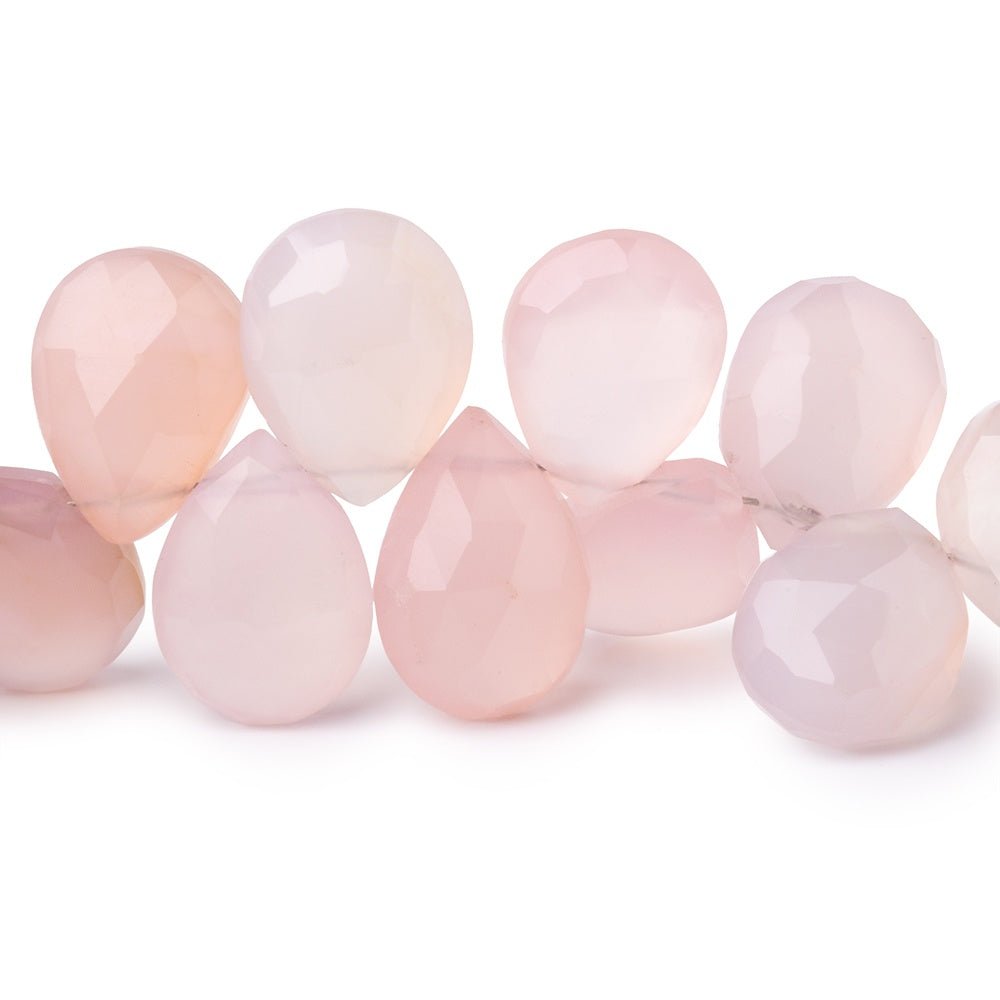
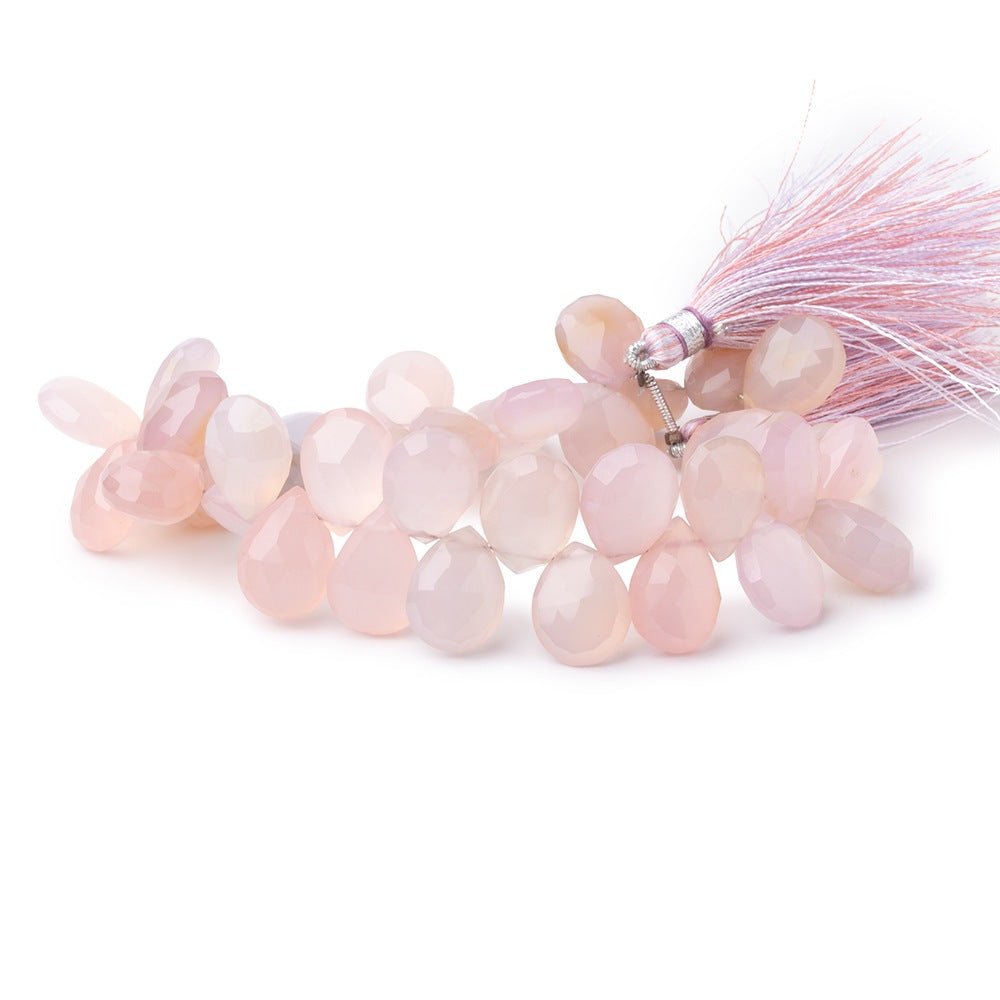
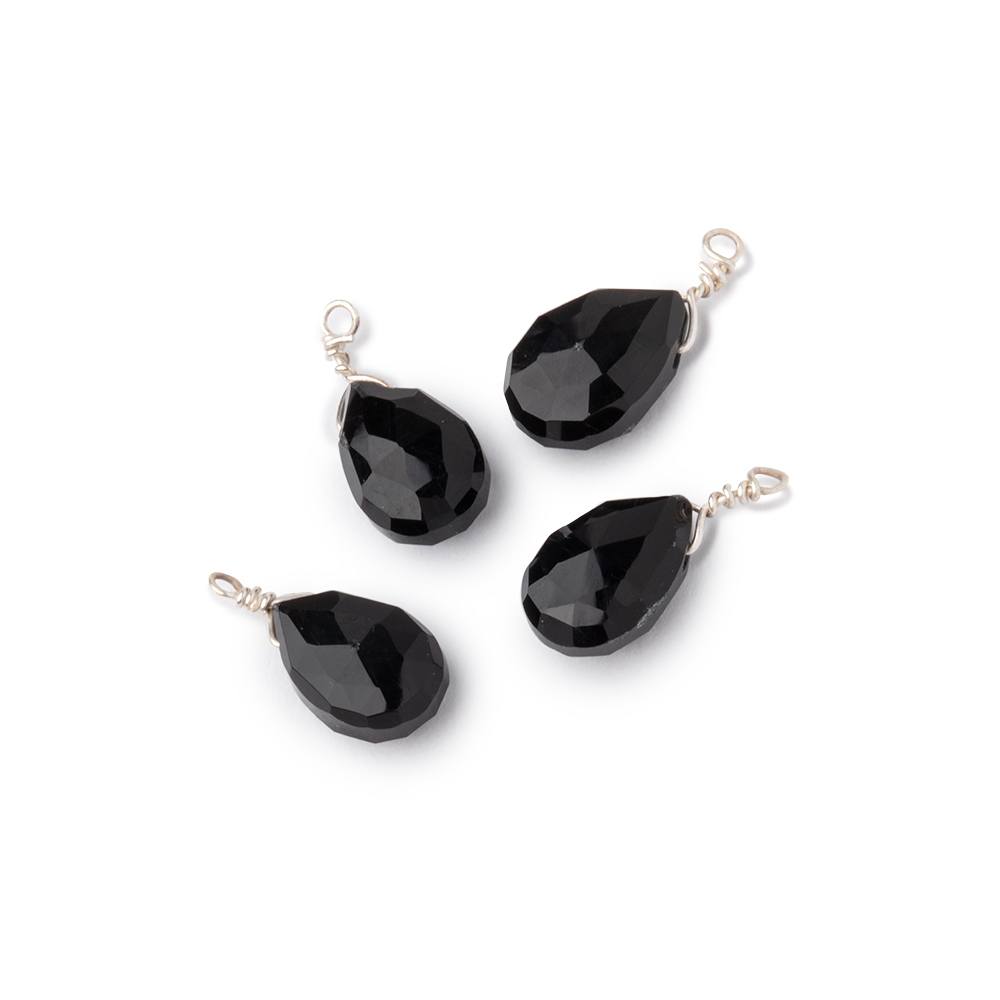
Our collection features a wide variety of chalcedony bead colors, including Santorini and seafoam blue chalcedony, orchid purple, rose and hot pink, aqua green, peach, mustard, cream, and black.
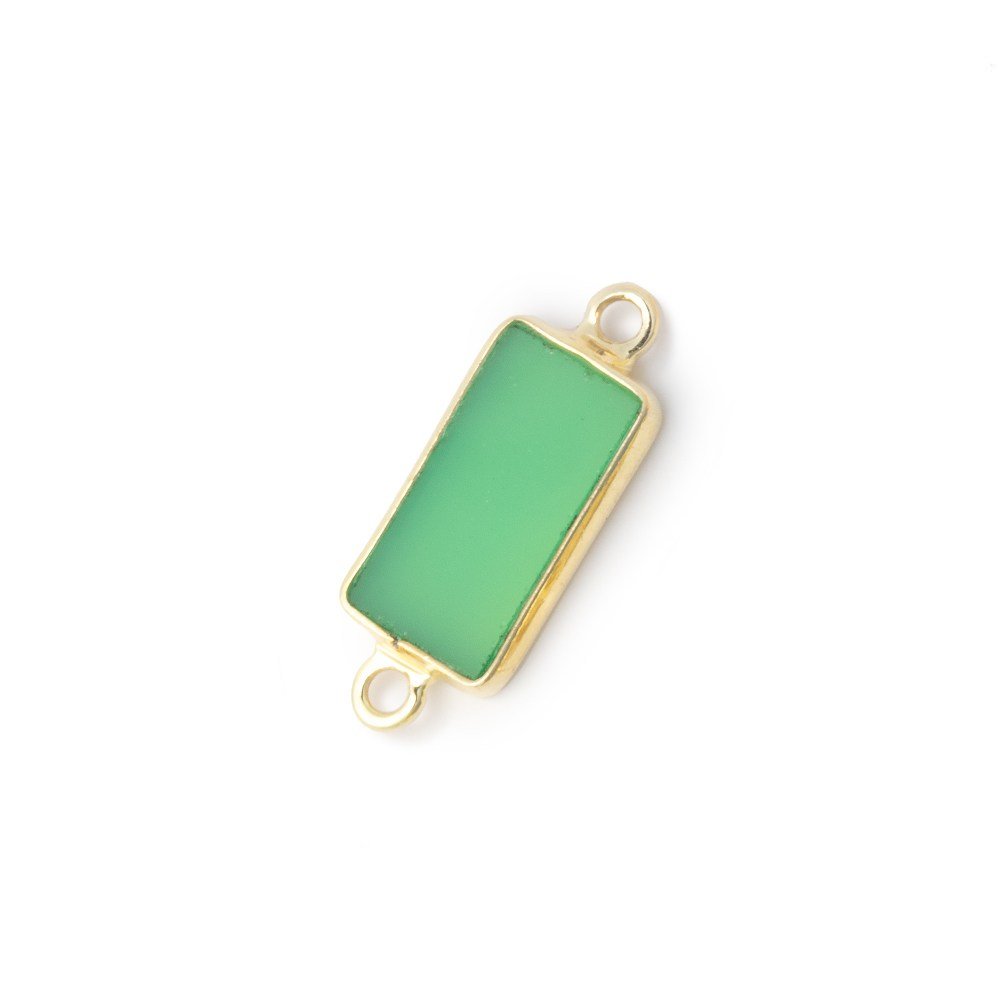
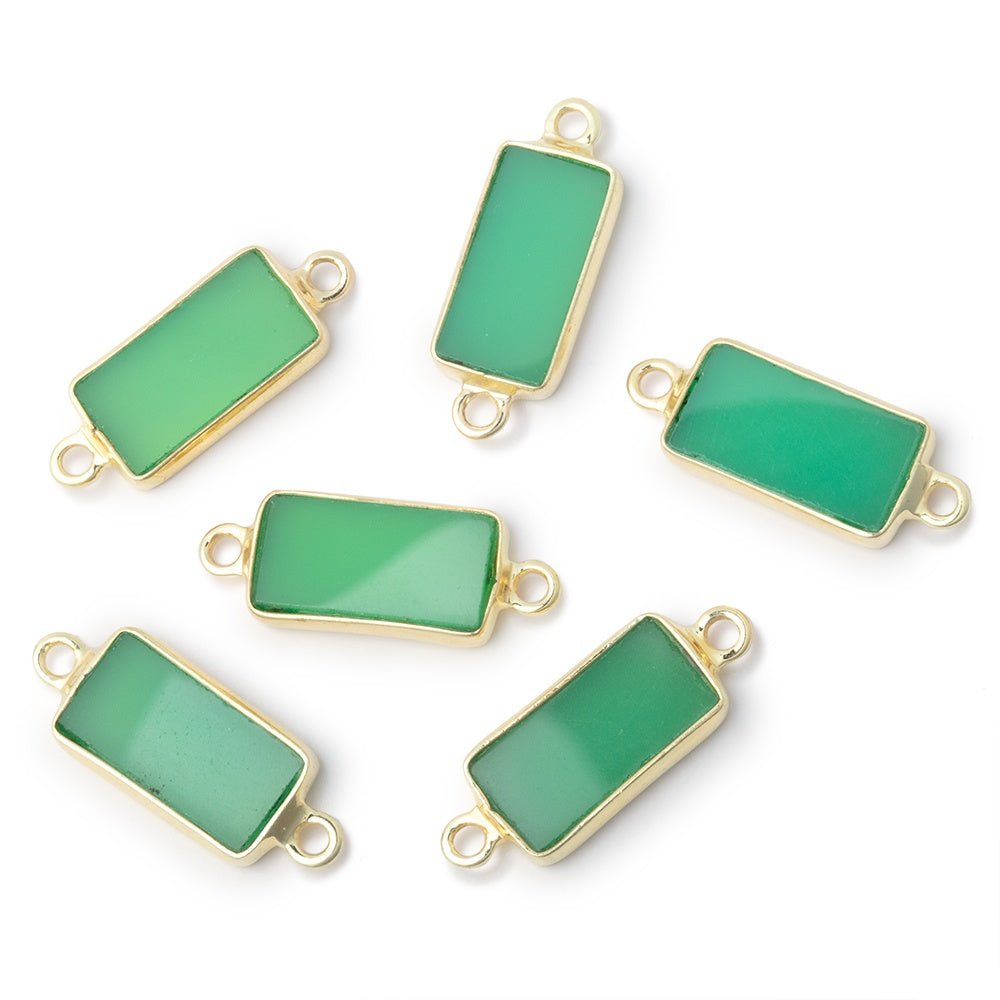
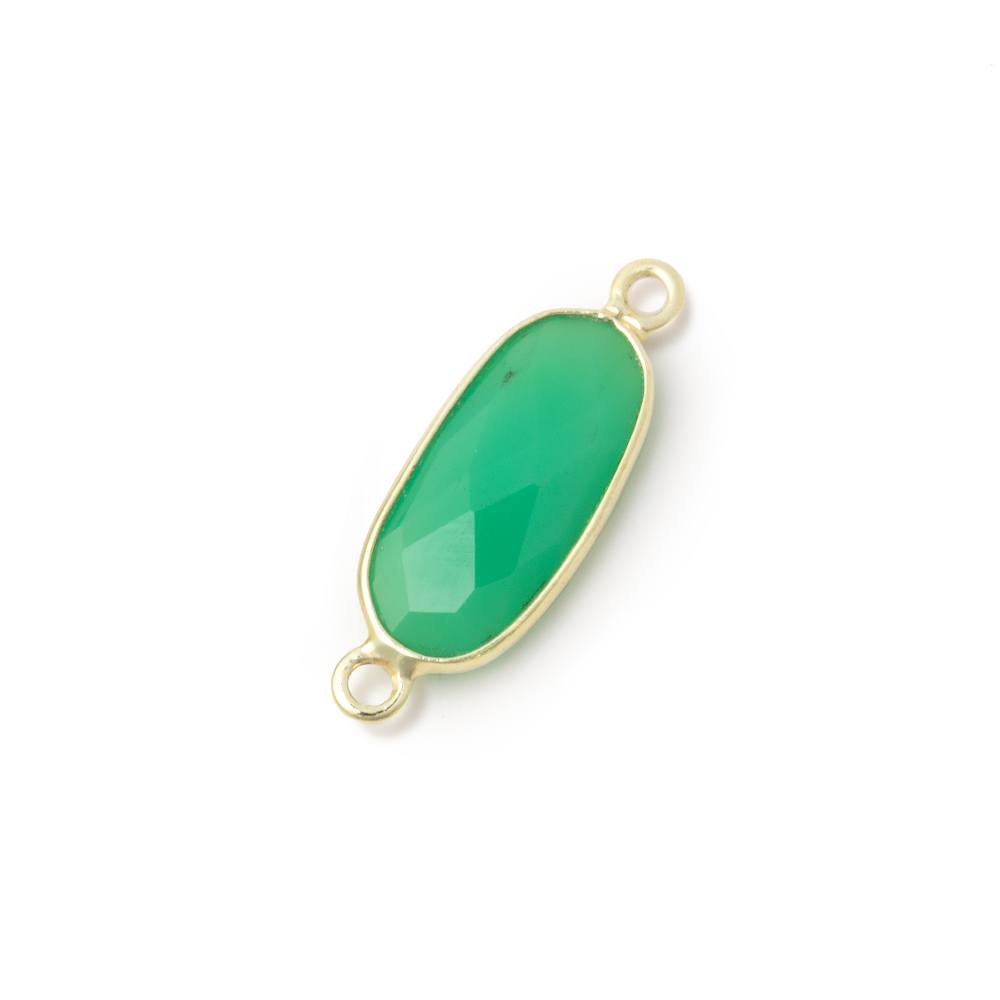
Different varieties of chalcedony include popular gemstones such as agate, onyx, carnelian, chrysoprase, and bloodstone. Whether you prefer soft pastel shades or bold statement colors, you can find options that match your creative style.
Choose Your Size, Shape, and Finish
Finding the right bead style can help bring your jewelry design vision to life. Our chalcedony beads are available in popular sizes, including 6mm, 8mm, and 10mm, making them suitable for bracelets, necklaces, malas, and custom jewelry projects.
Choose from:
-
Faceted rondelles and rounds for added sparkle
-
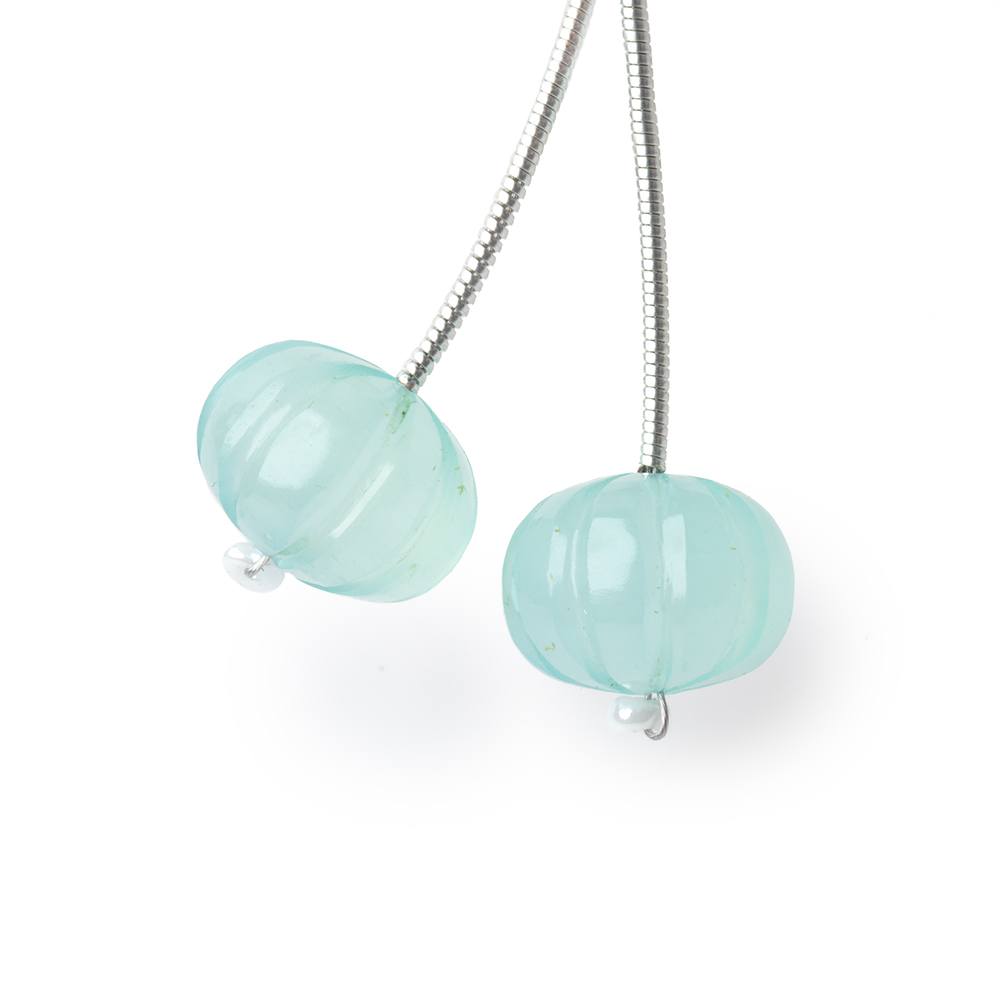
Smooth rounds for classic everyday designs
-
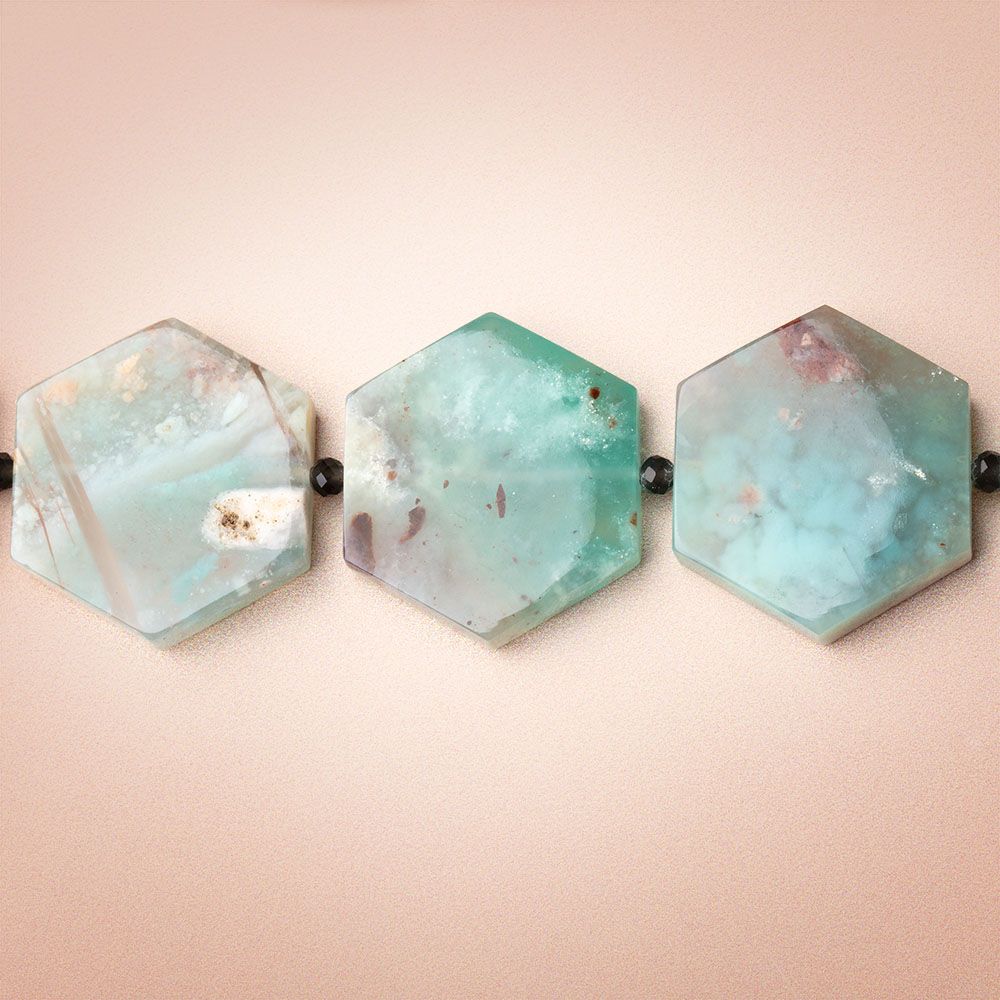
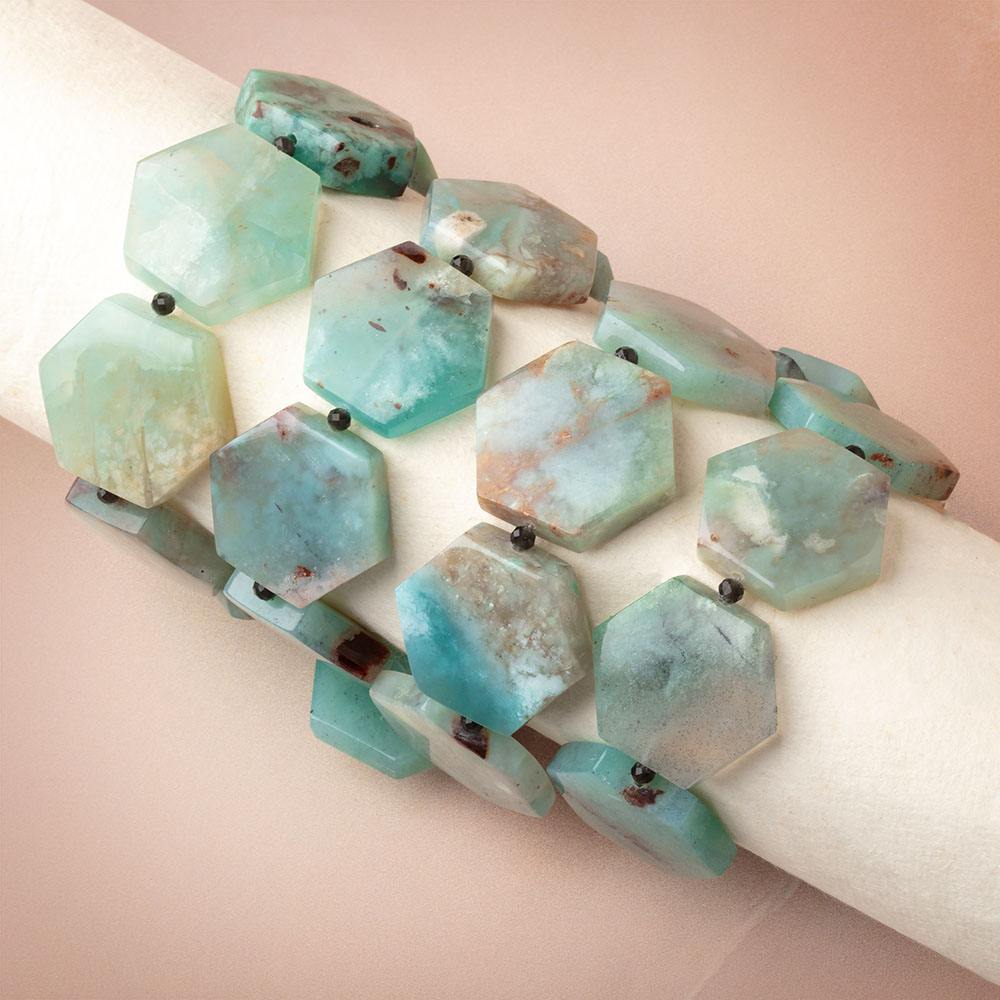
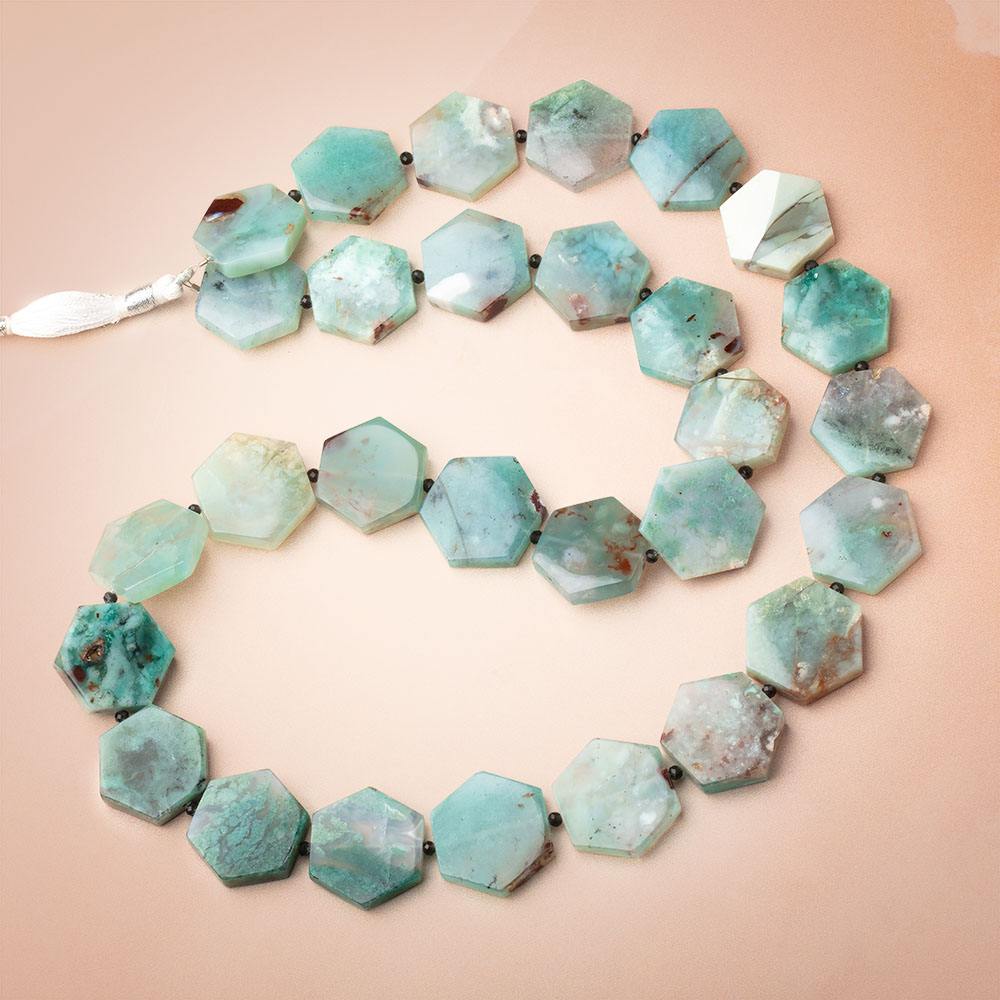
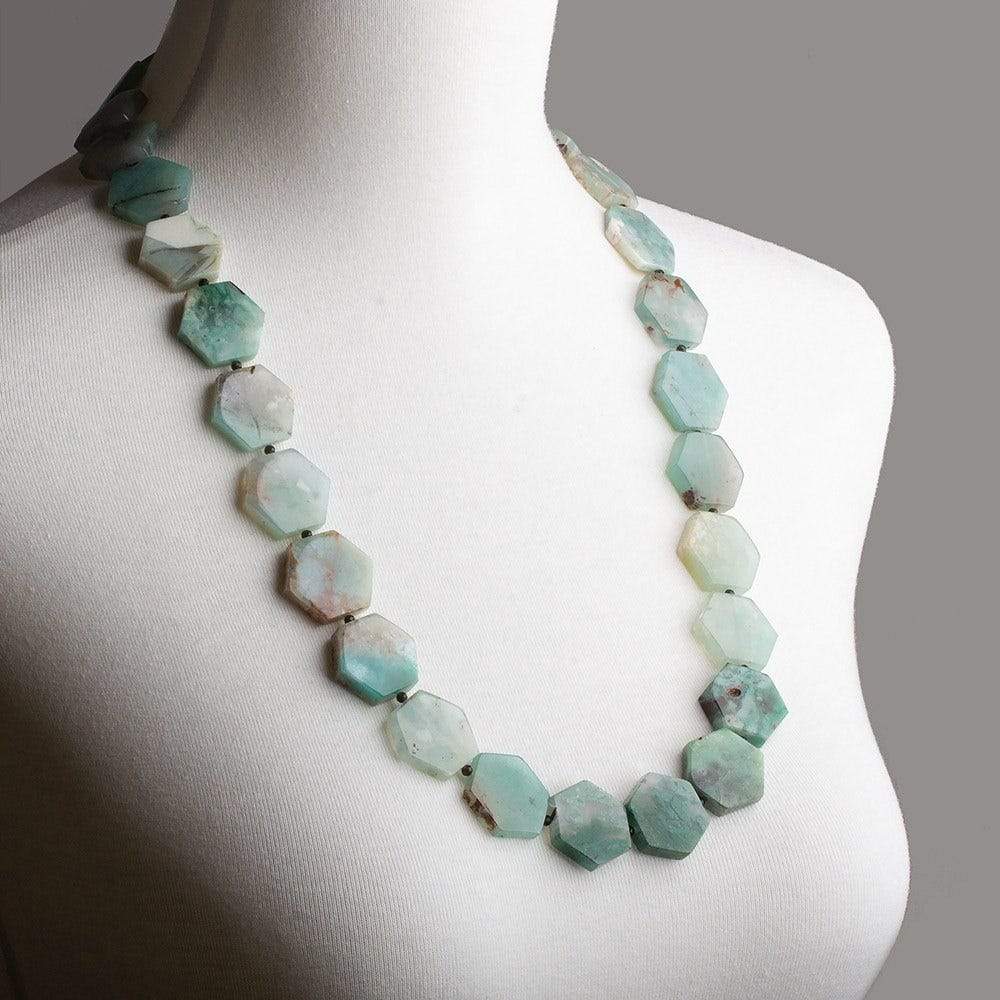
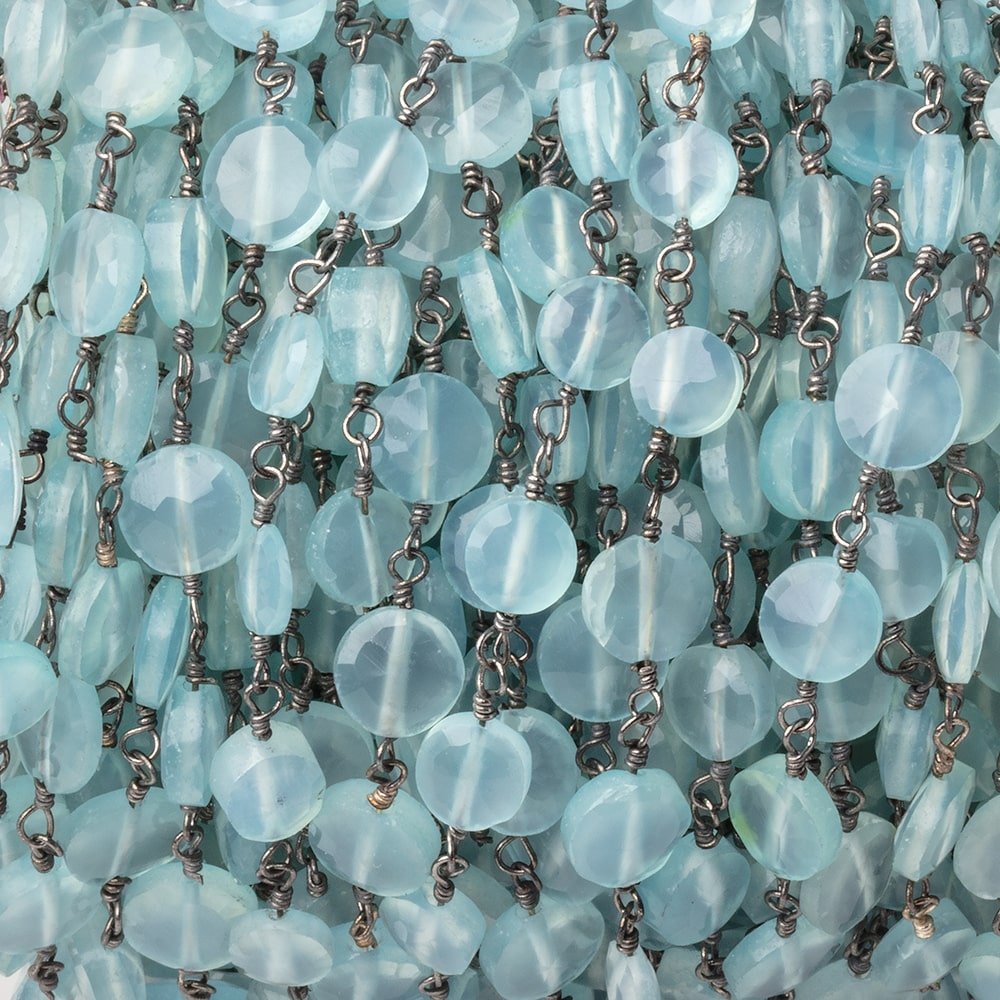
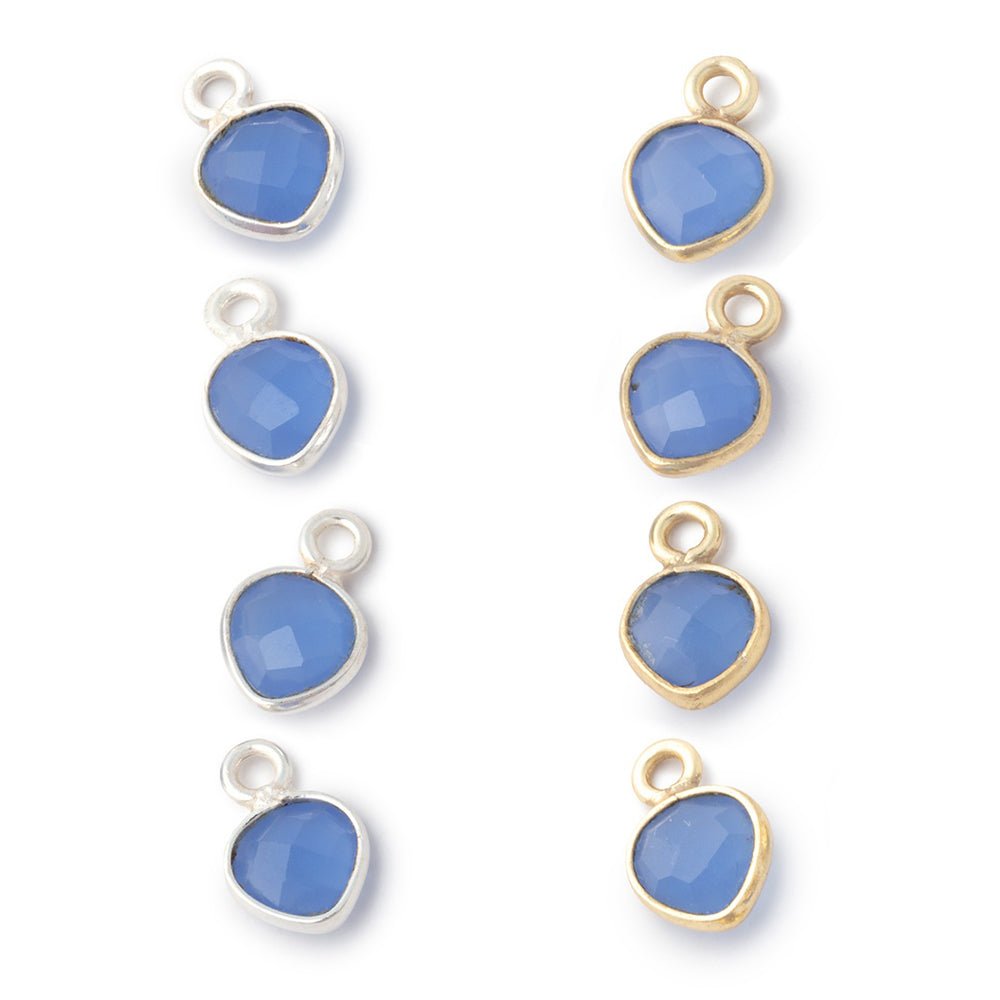
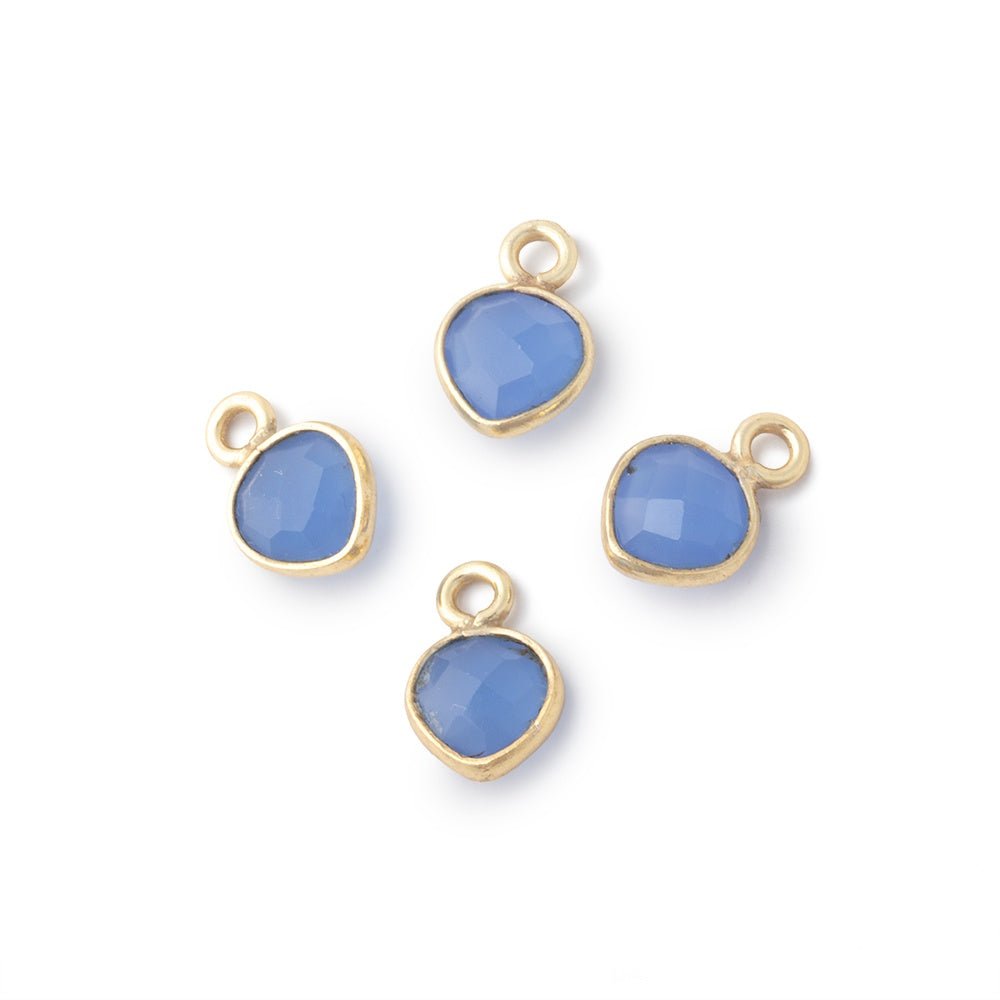
Hearts, pears, cubes, and hexagon shapes for unique focal pieces
-
Large-hole beads for easier stringing
-
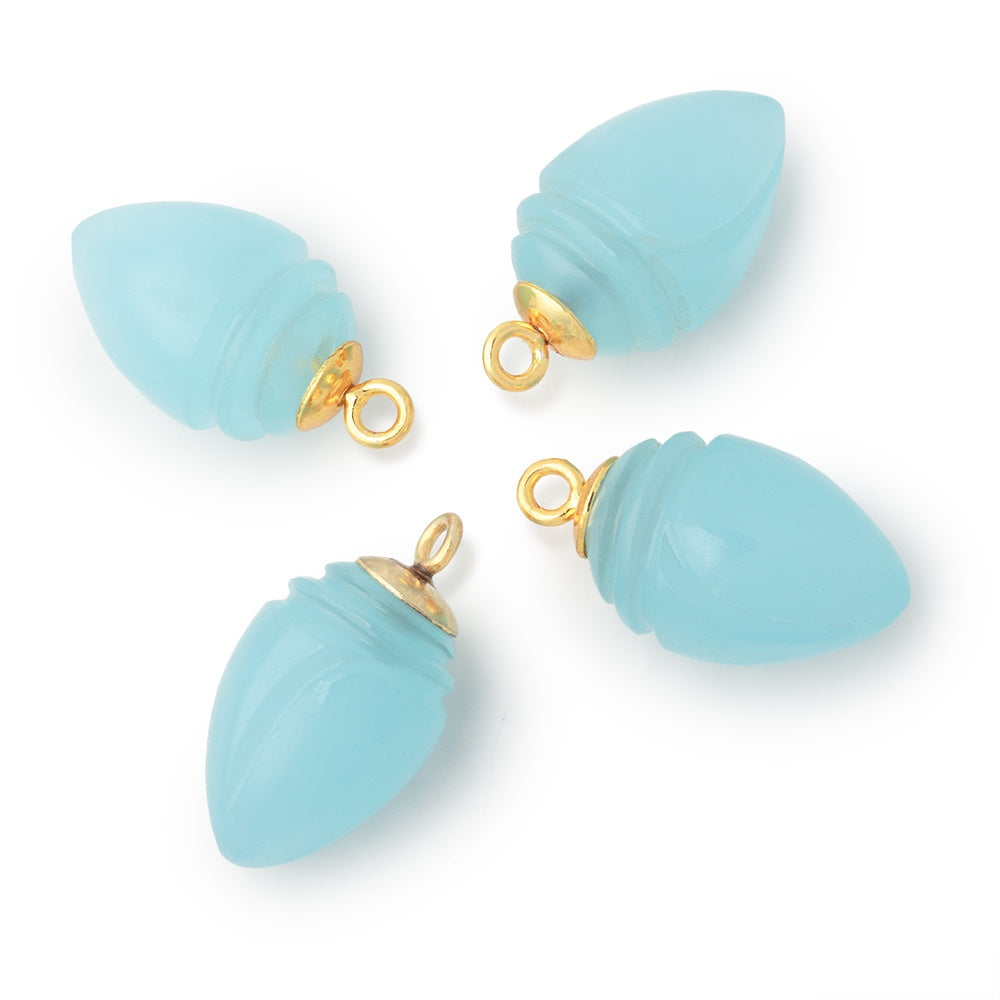
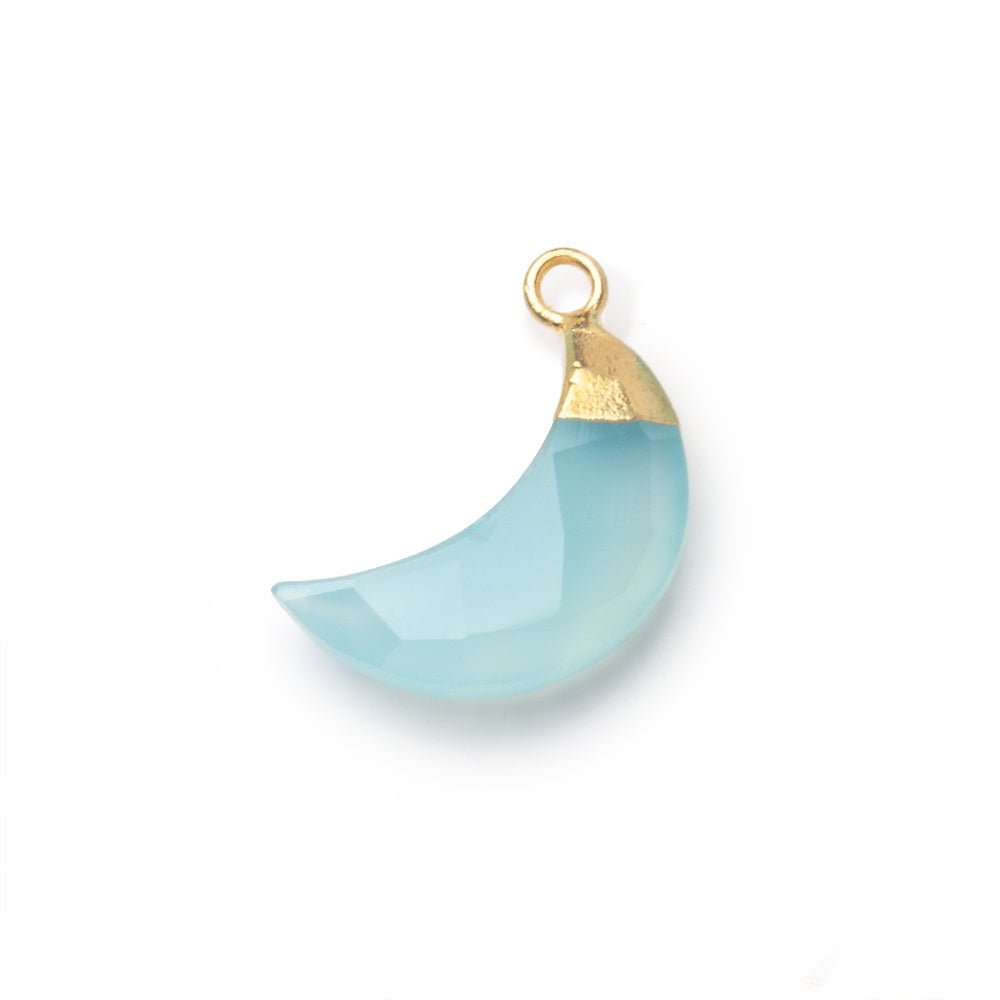
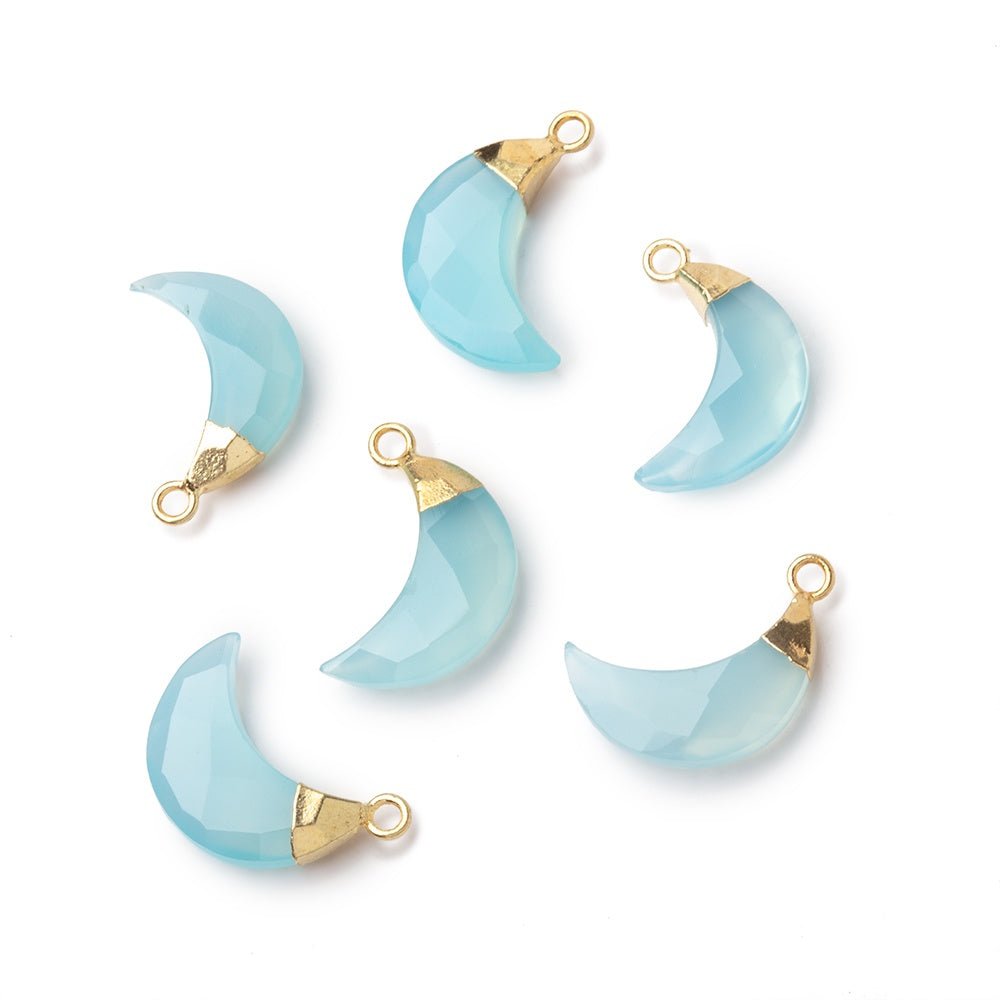
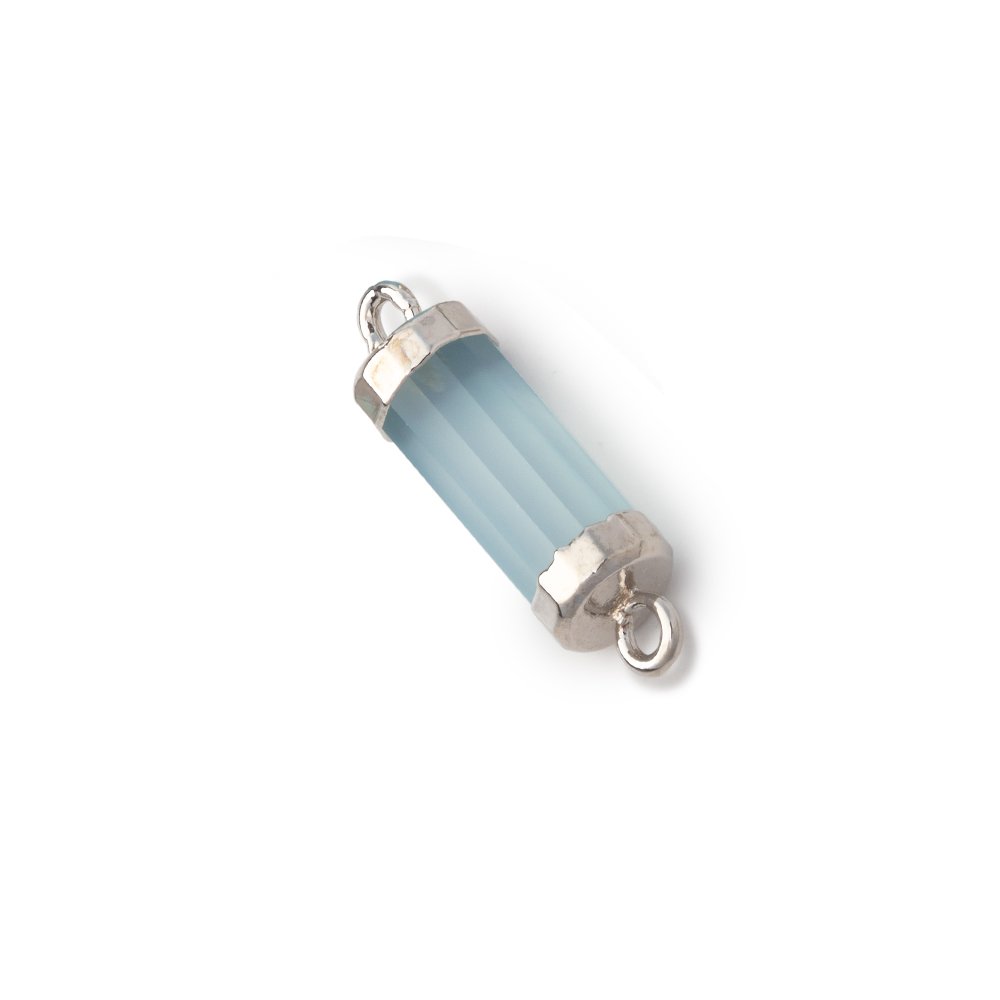
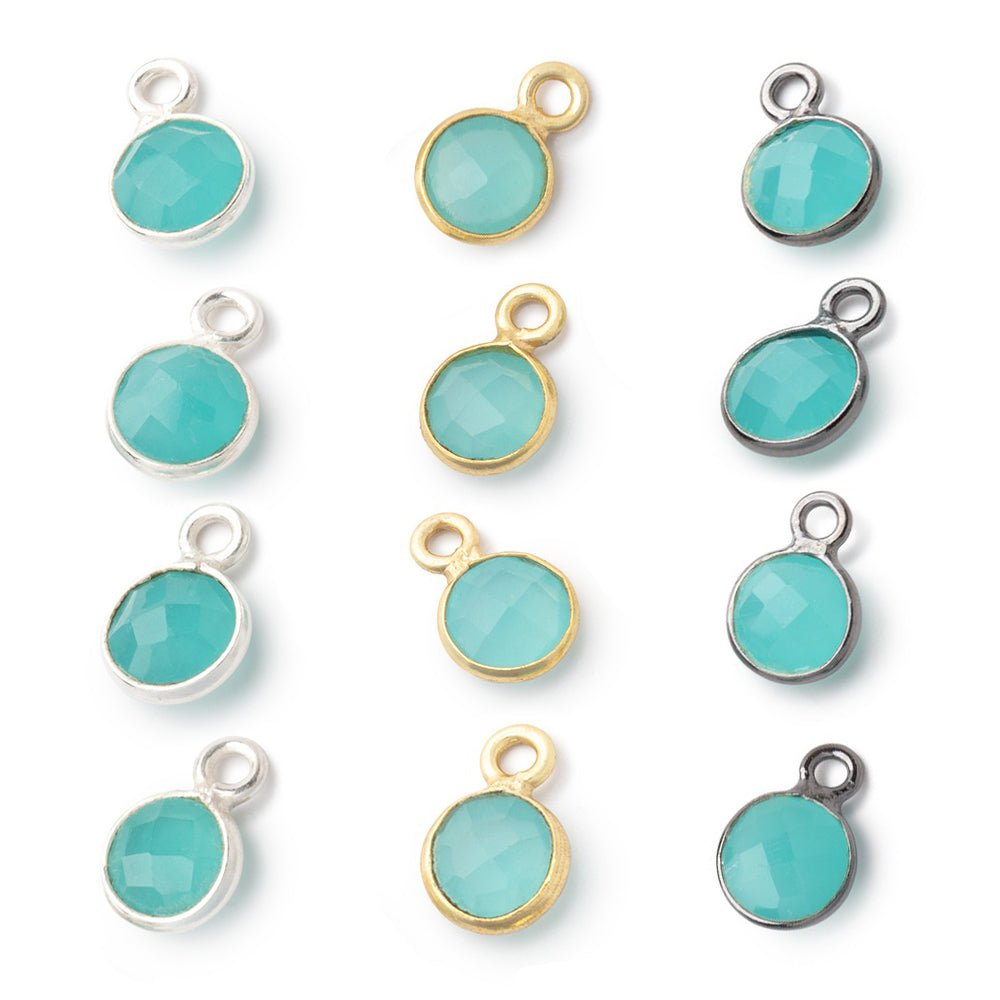
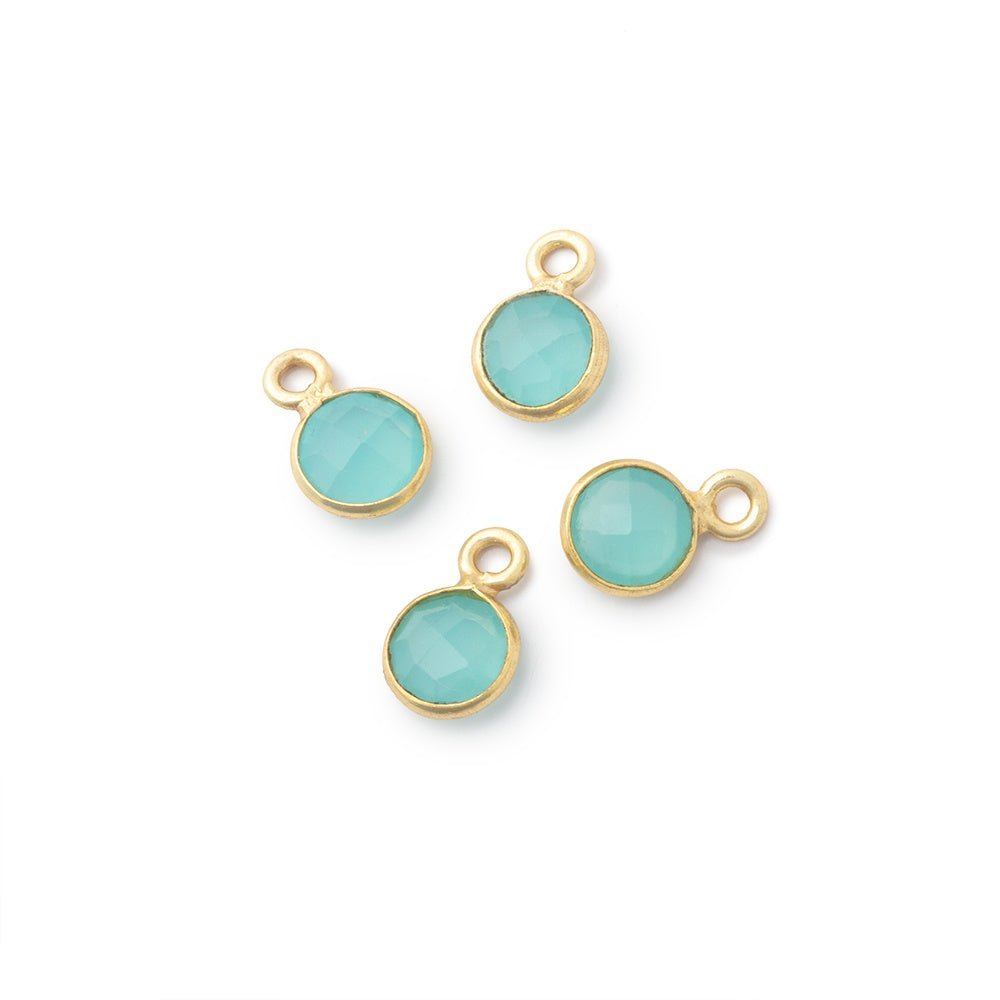
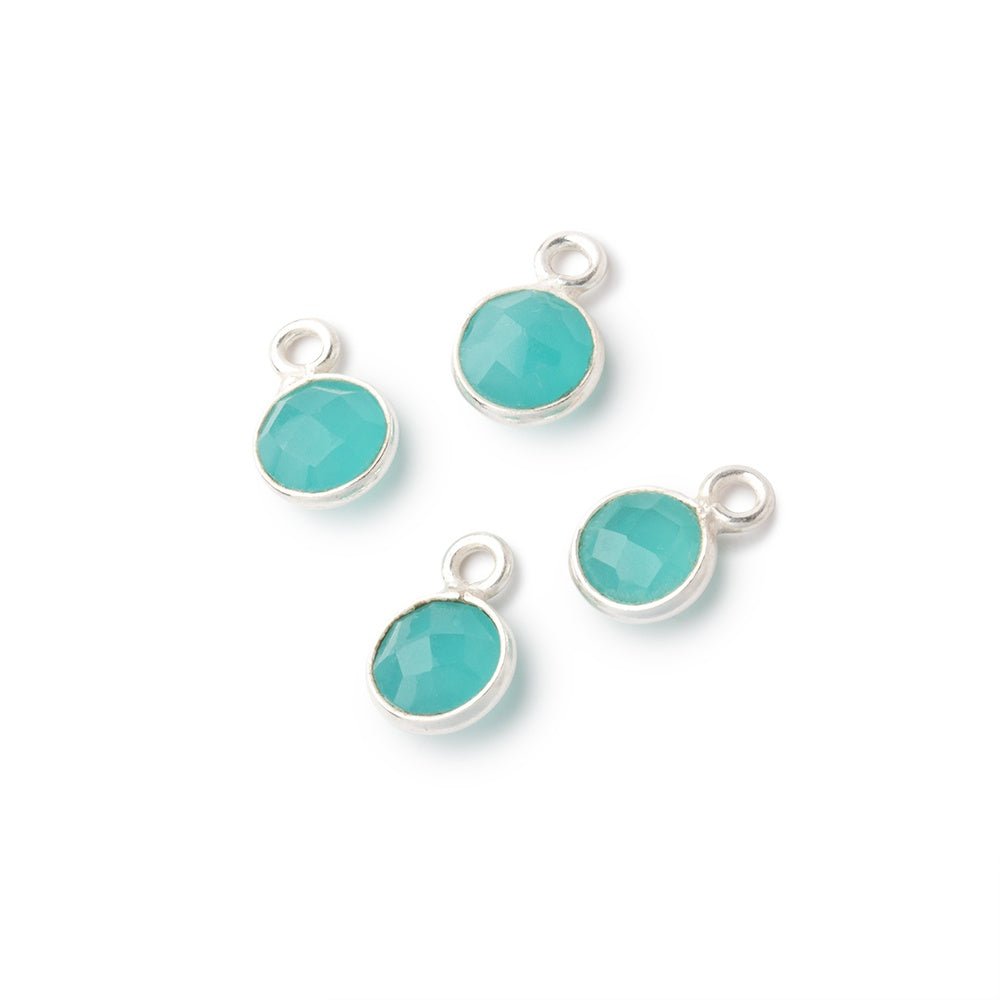
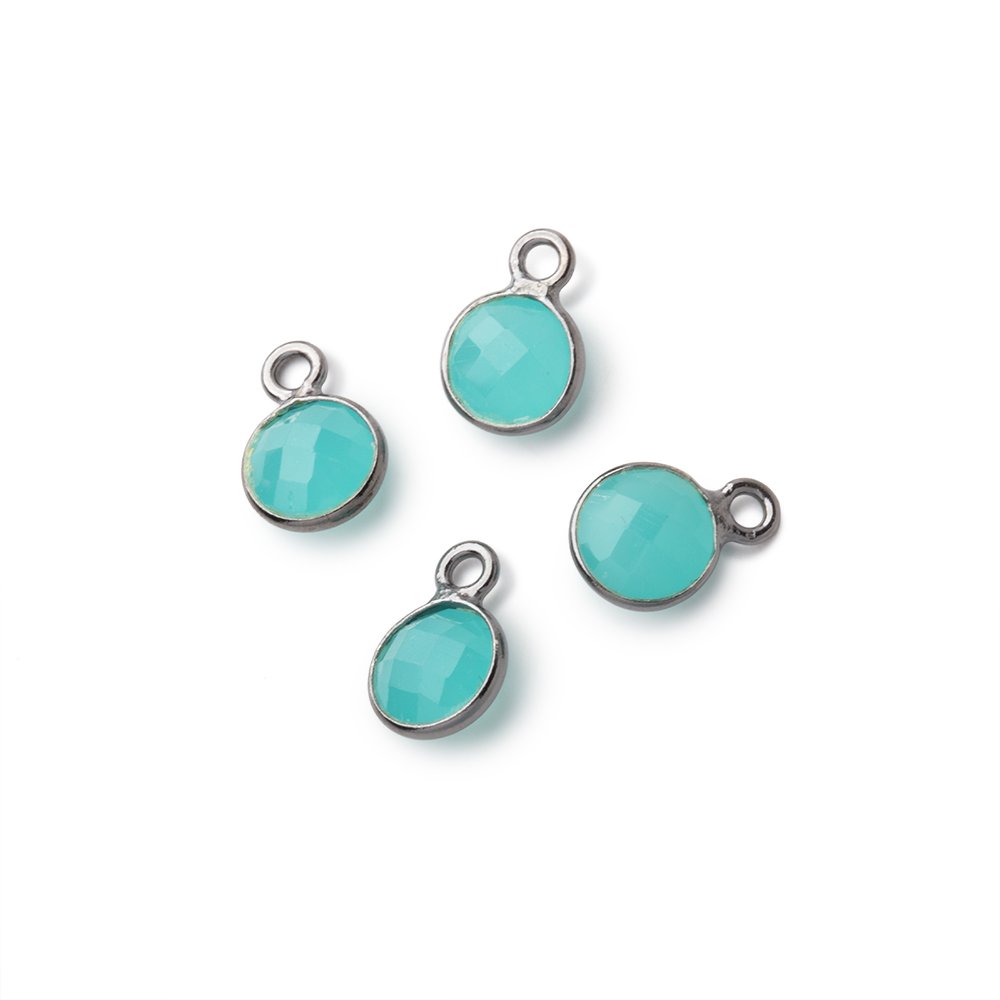
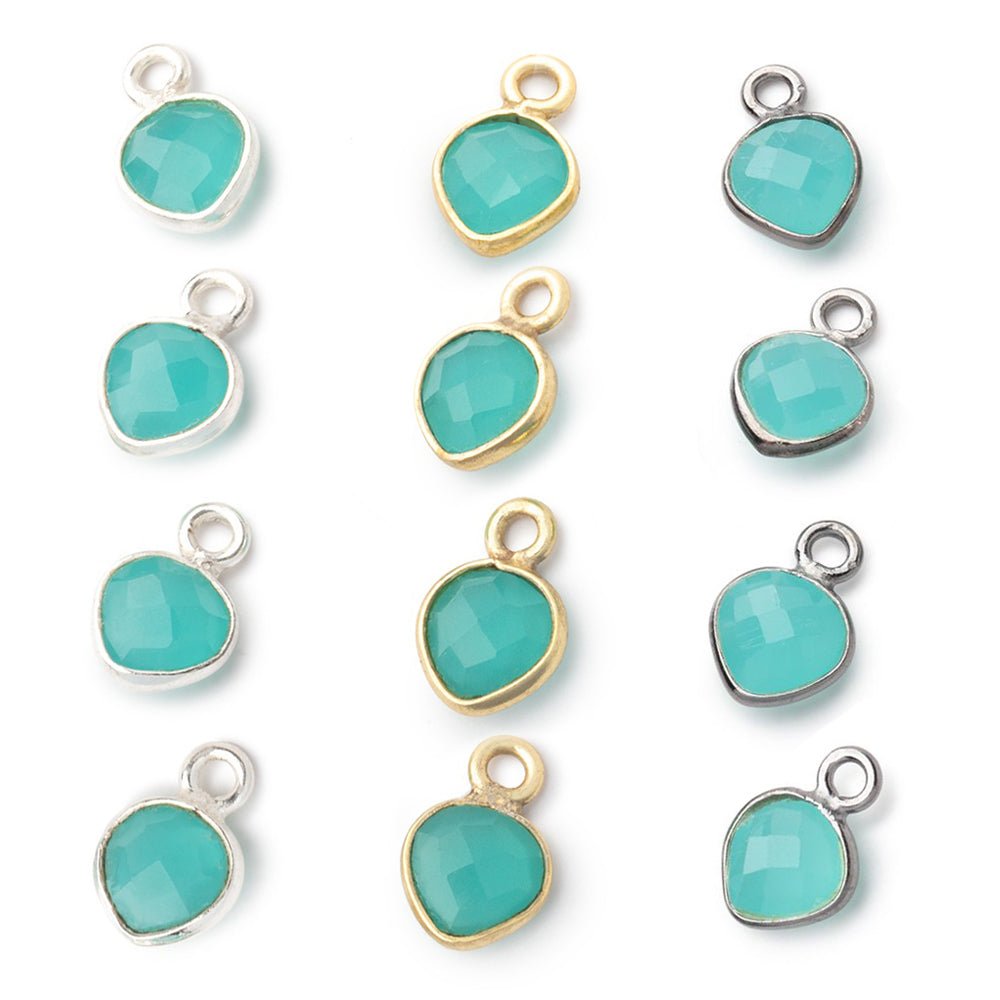
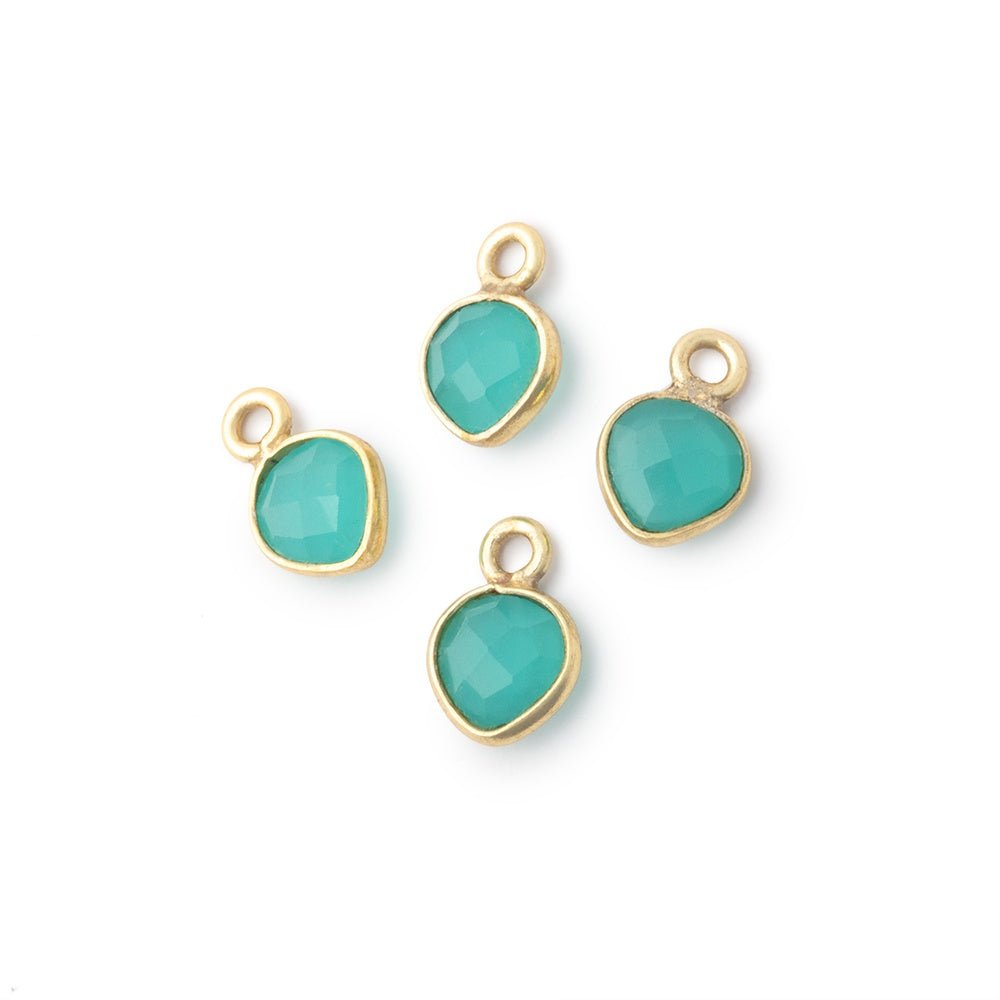
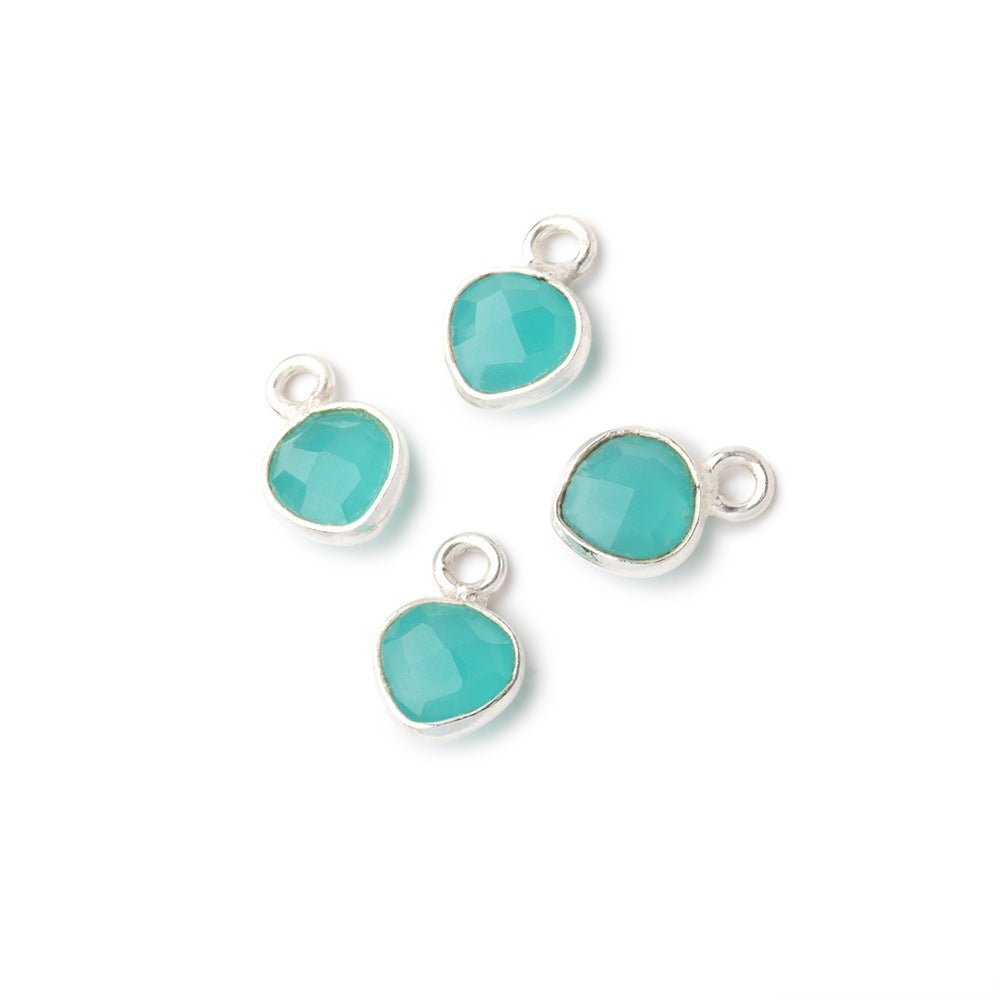
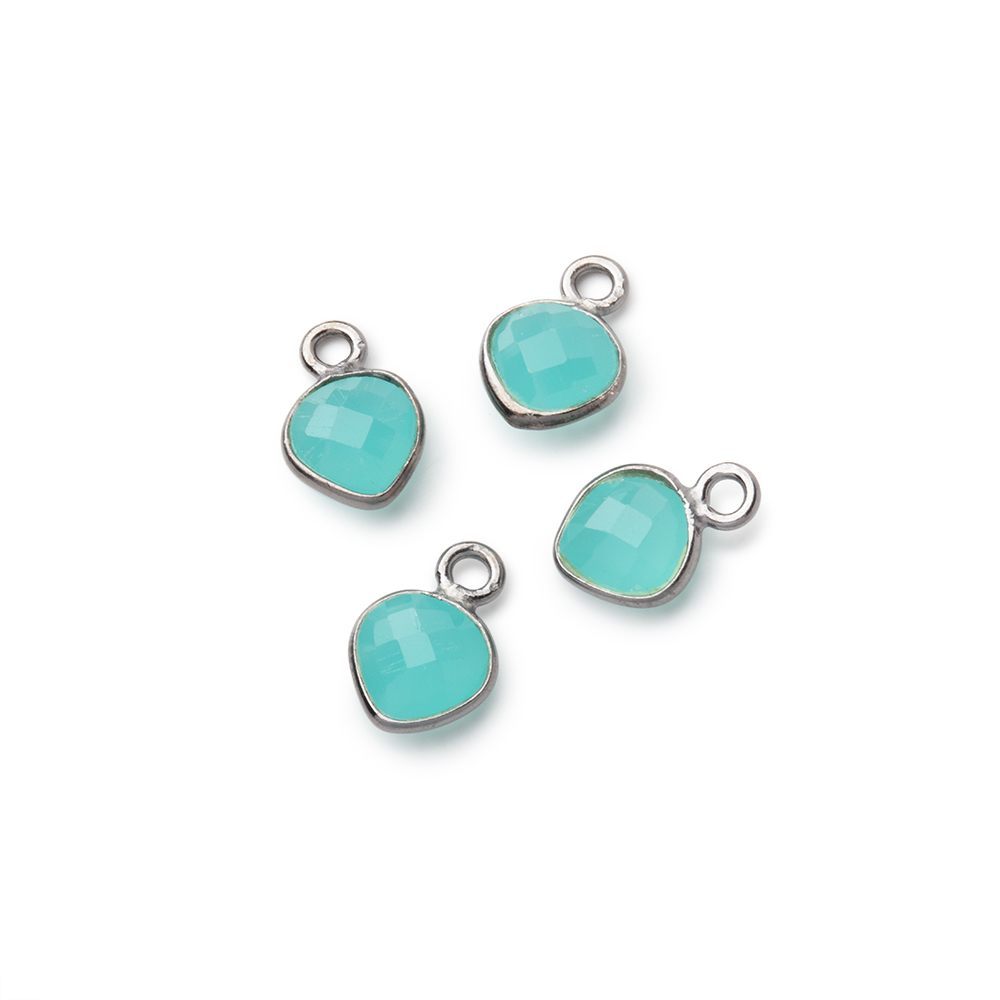
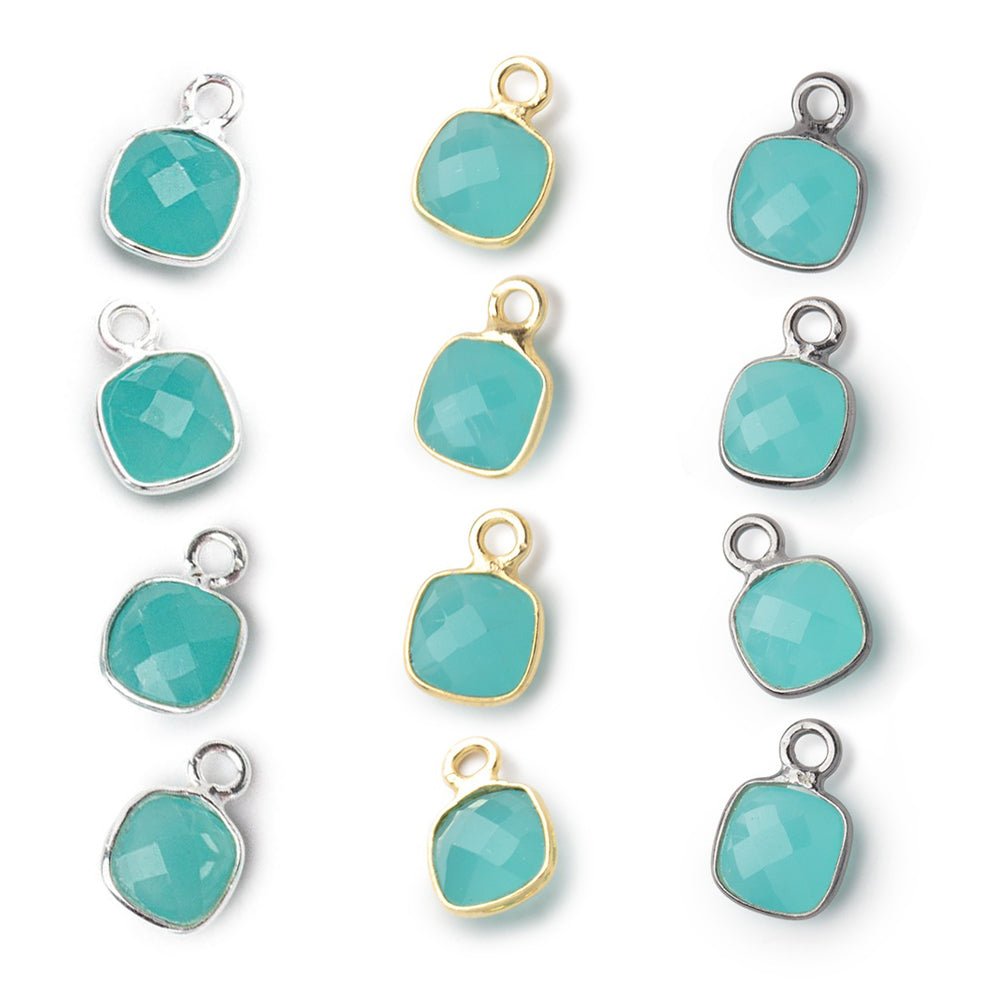
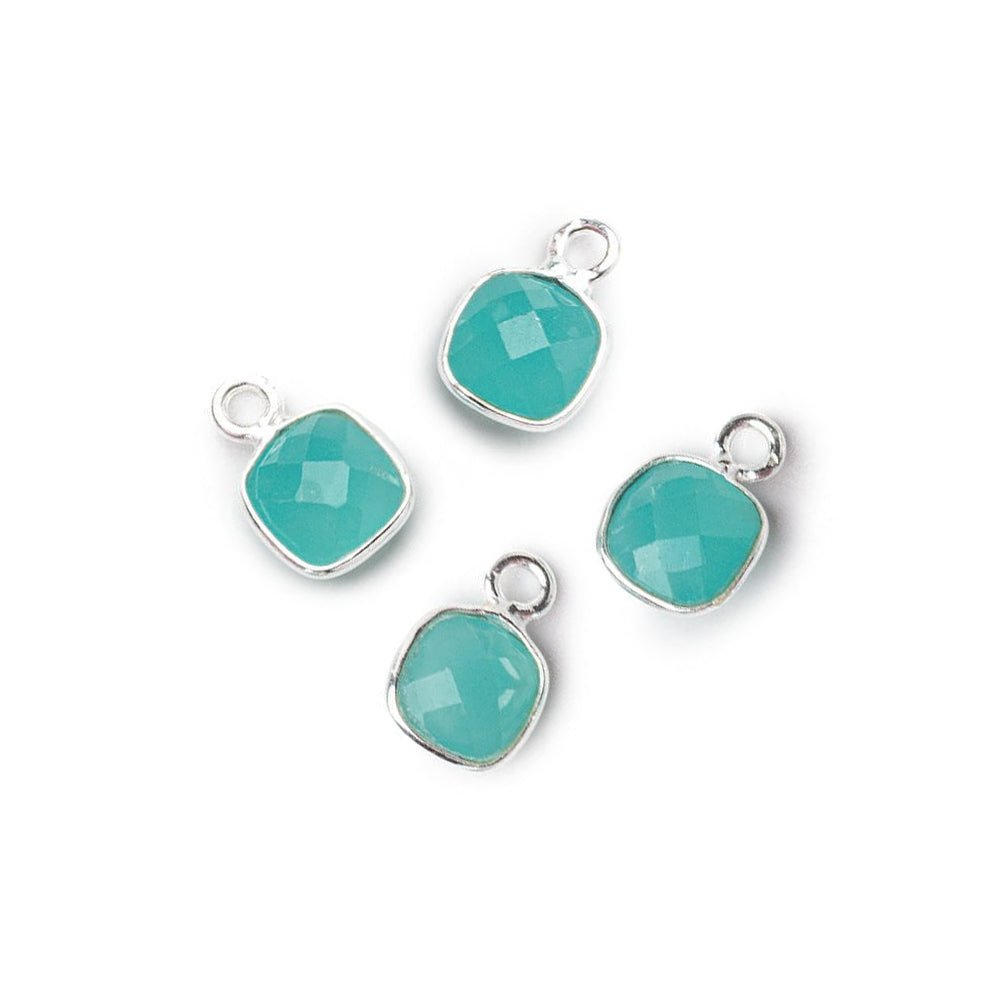
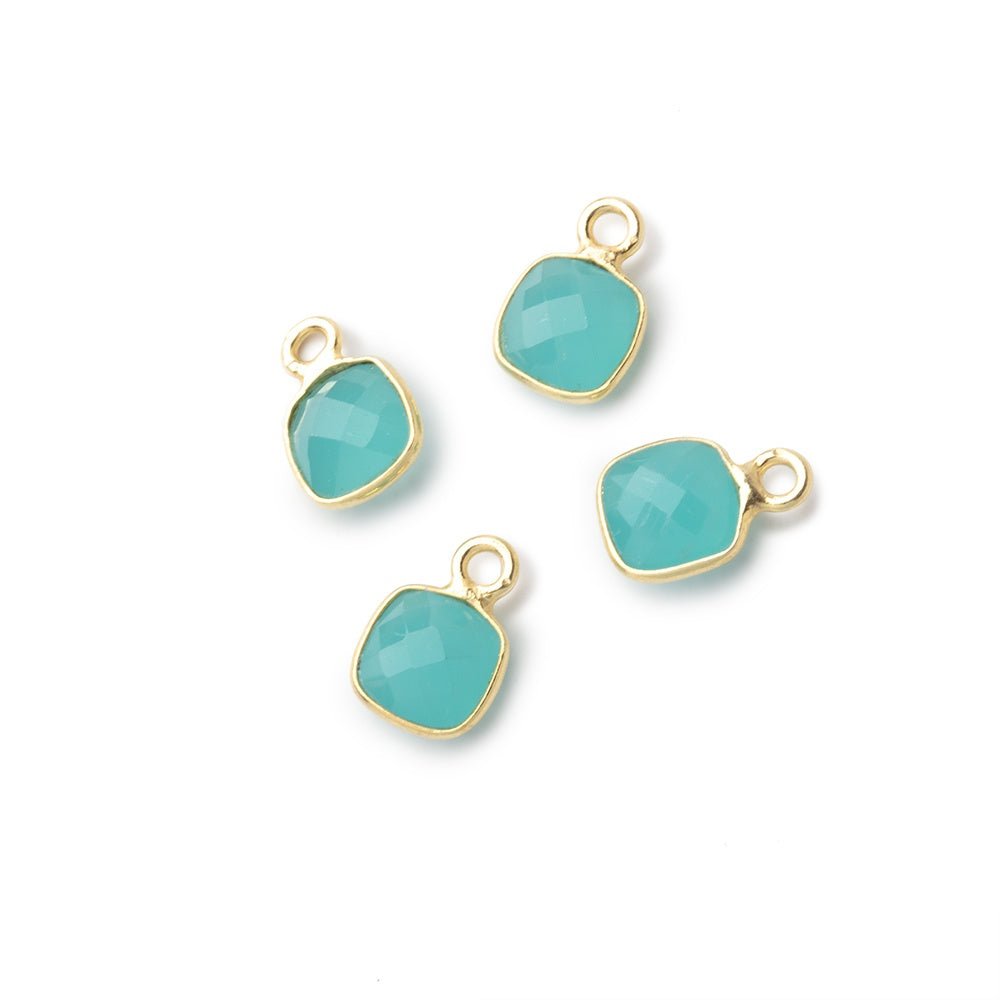
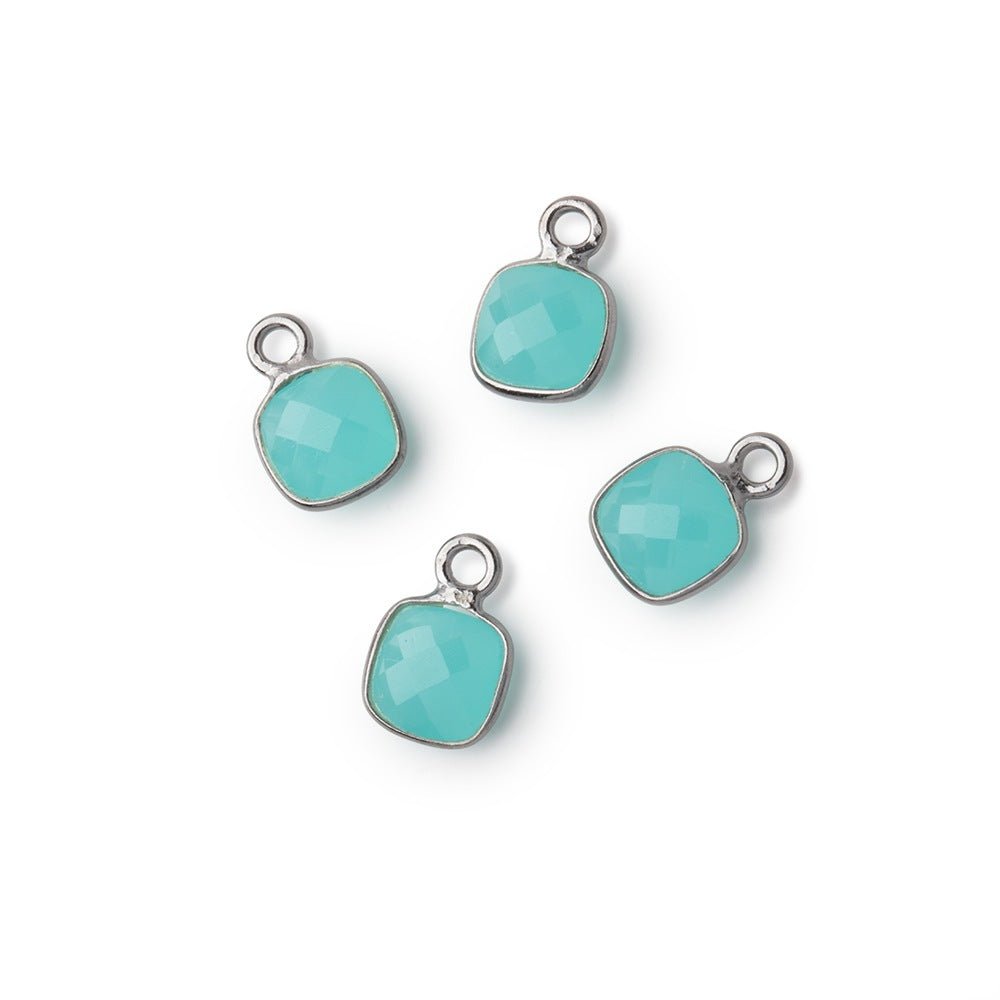
Bezel-set gemstone beads for detailed jewelry designs
Natural or Dyed? We Tell You Up Front
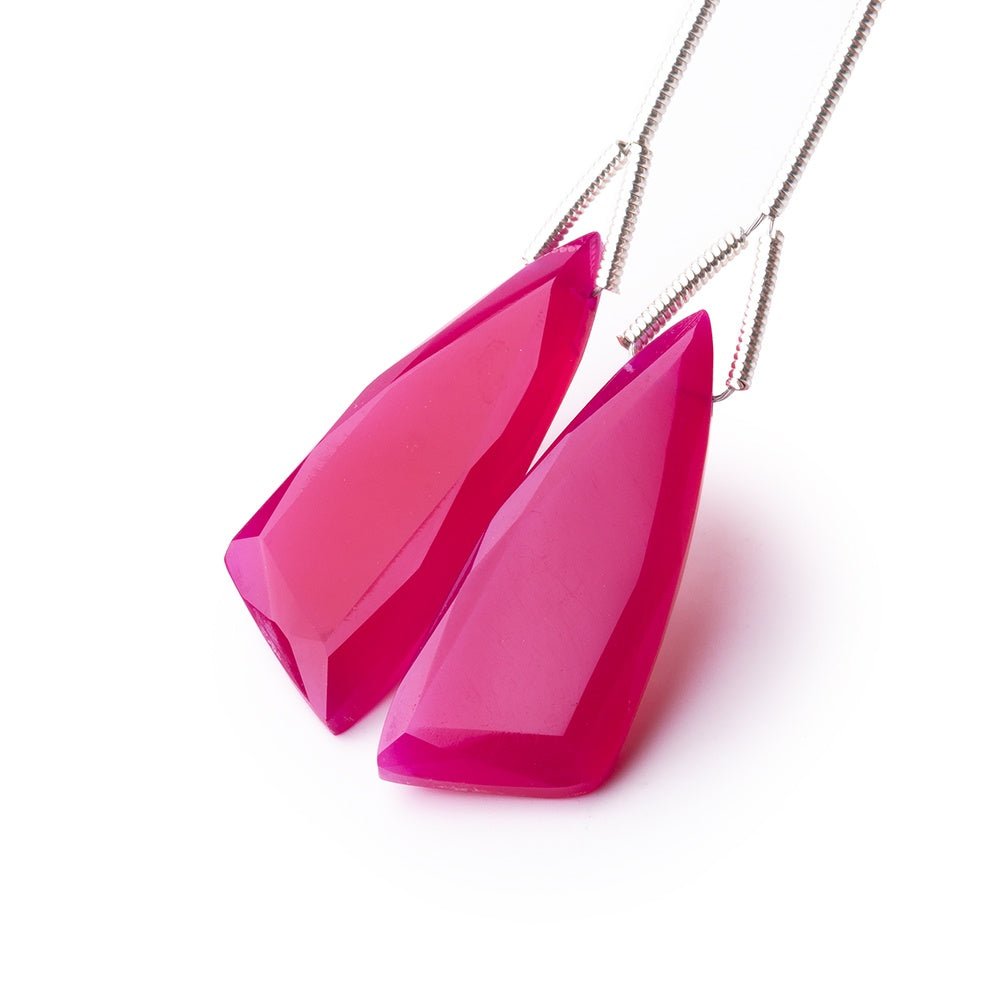
Chalcedony naturally occurs in soft blue, gray, white, and pastel shades. Some brighter colors, including neon pink, vivid blue, and rainbow patterns, may be color-treated to achieve their appearance.
We clearly identify treated and natural options on each product page so you can confidently choose the right beads for your project.
Our team carefully checks each strand for bead quality, clean drill holes, and consistent sizing before shipping your order.
Why You Can Trust Our Chalcedony Beads
We provide detailed product information to help you shop with confidence. Each listing includes strand length, bead count, and bead size, so you know exactly what you will receive.
Before packing, we inspect beads for quality issues such as chipped drill holes or surface imperfections. We also offer free shipping on US orders over $100 and free returns both ways.
Frequently Asked Questions
Are Chalcedony Beads Good for Jewelry Making?
Yes. Chalcedony beads for jewelry making are forgiving, cleanly drilled, and tough enough for bracelets you wear every day.
Which Chalcedony Beads Sell Best?
Blue leads by a mile. After that, our customers reach for pink, purple, and green chalcedony beads.
What Size Chalcedony Beads Should I Start With?
6mm and 8mm chalcedony beads suit most bracelets and necklaces, and both are strung on a standard 1mm cord.
Do You Sell Chalcedony Gemstone Beads Wholesale?
Yes. Send us your resale certificate, and we will switch your account to wholesale pricing before your next order.
Hear what customers are saying about our service and products!
We are rated 4.9 out of 5 stars. 3000+ Five-Star Reviews.