


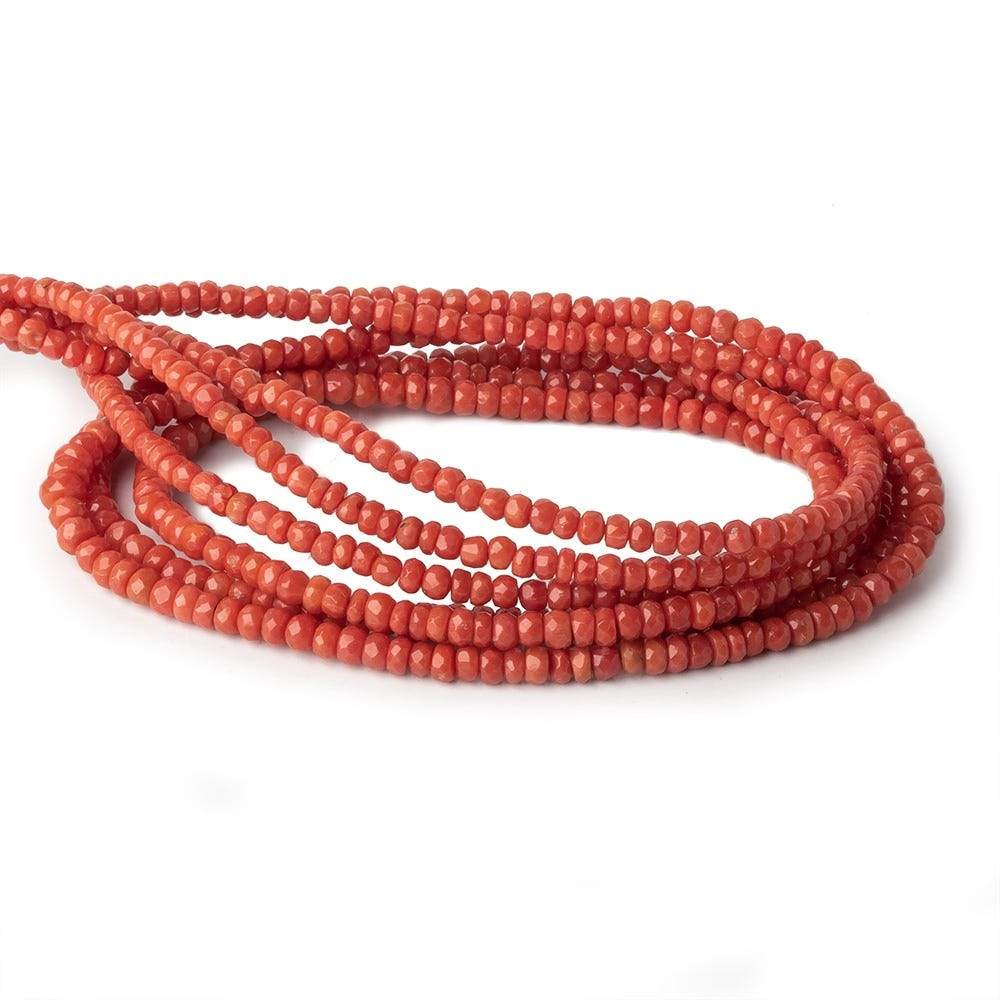
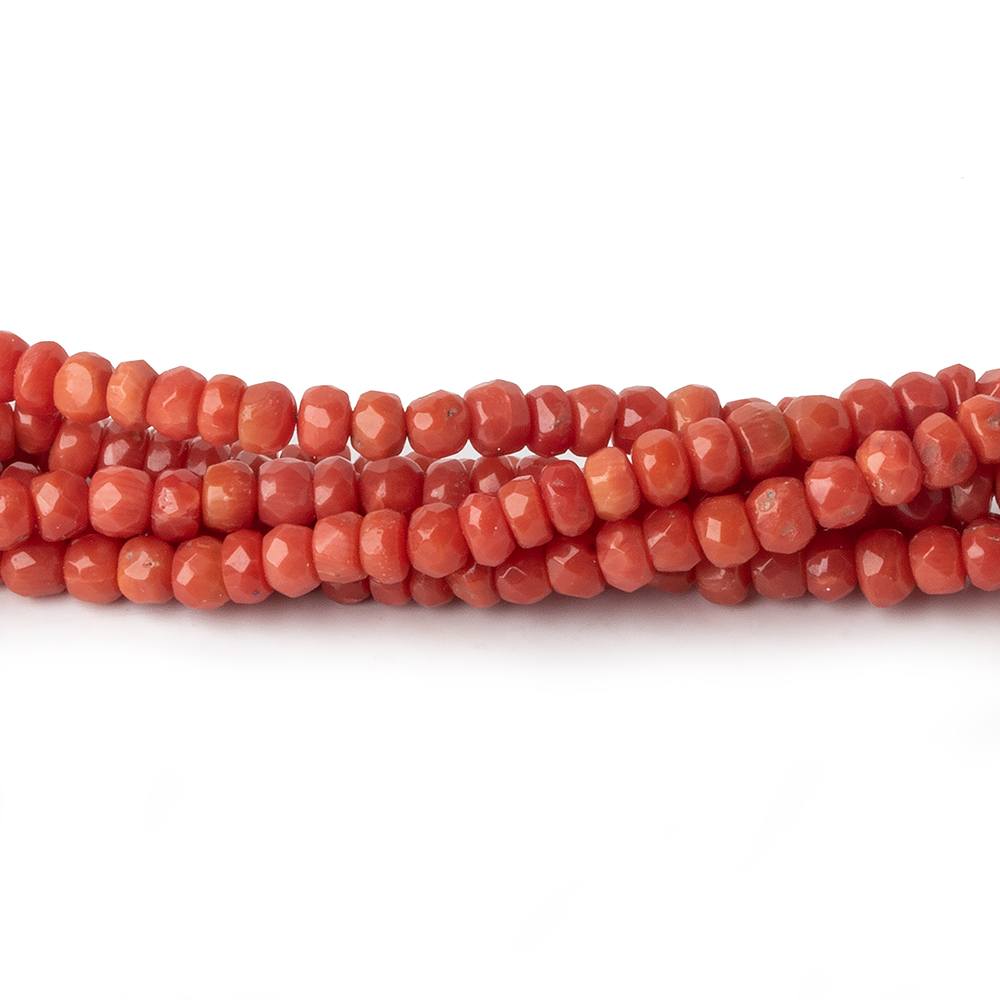
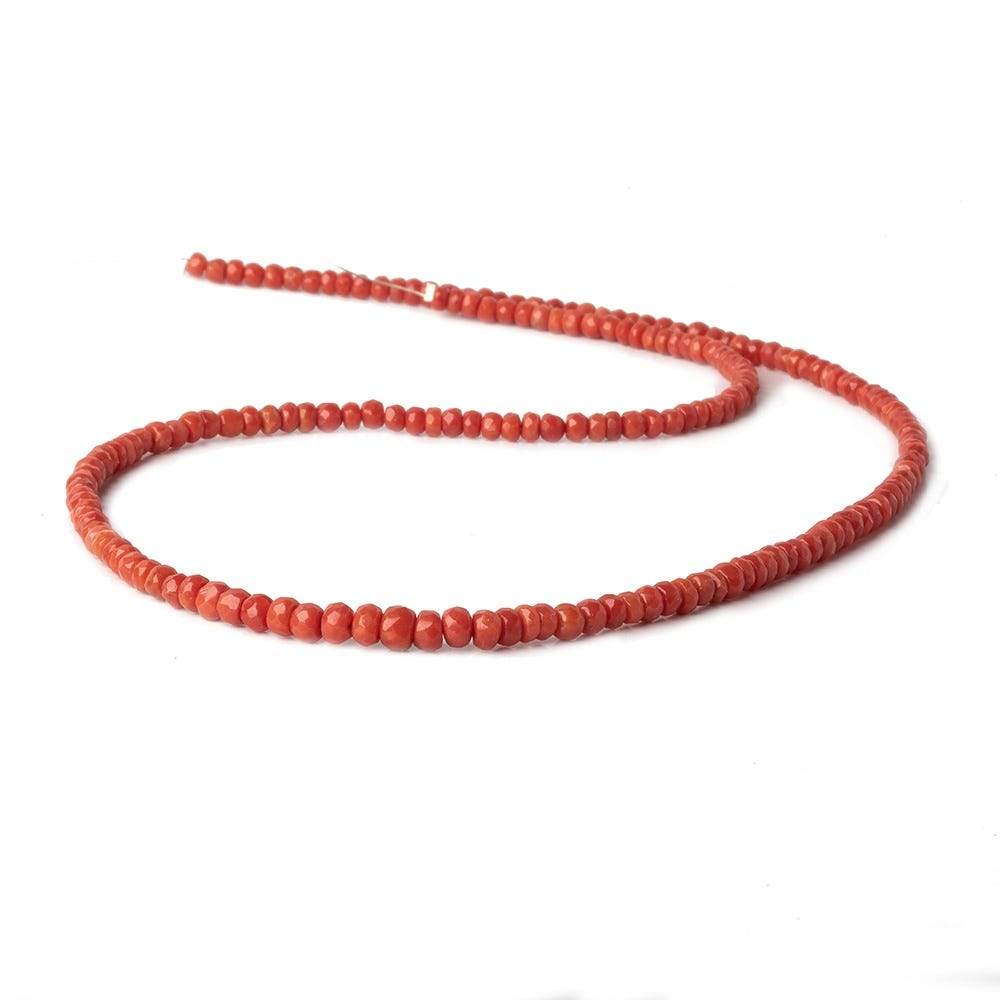

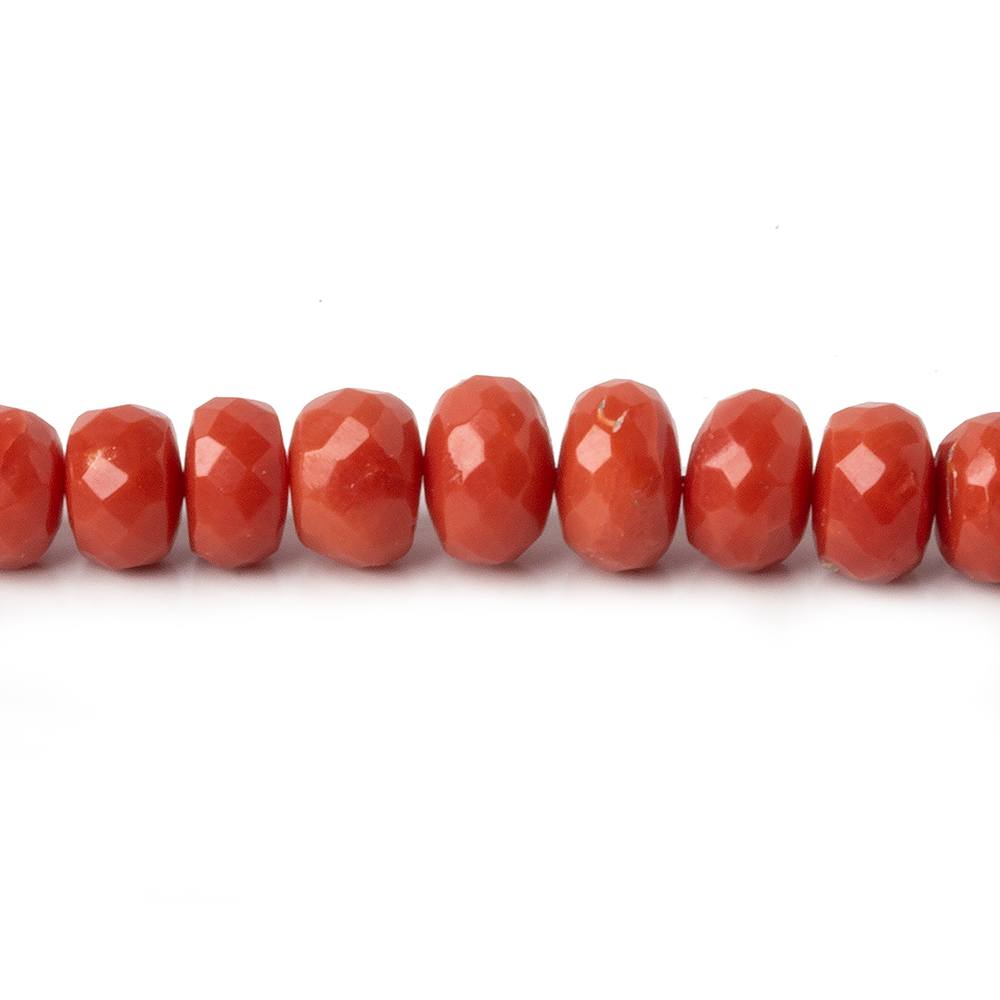
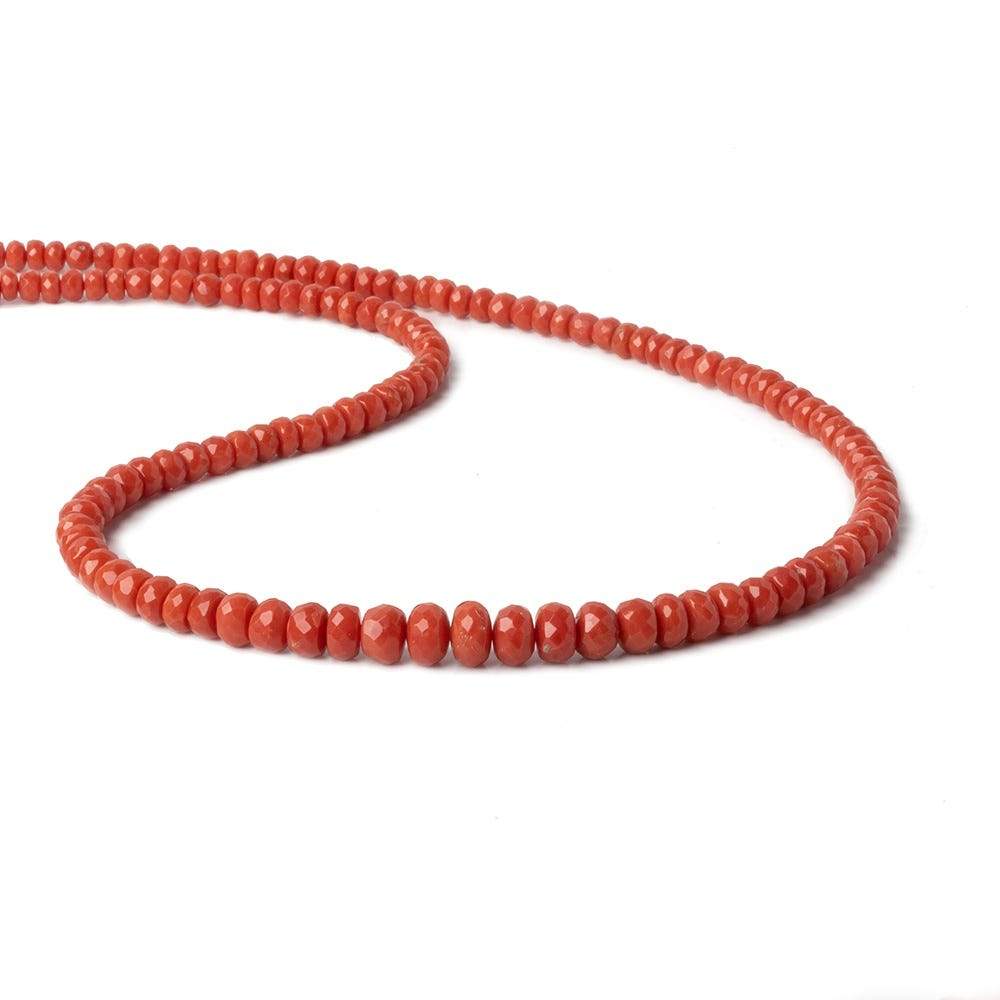
What are Coral Beads?
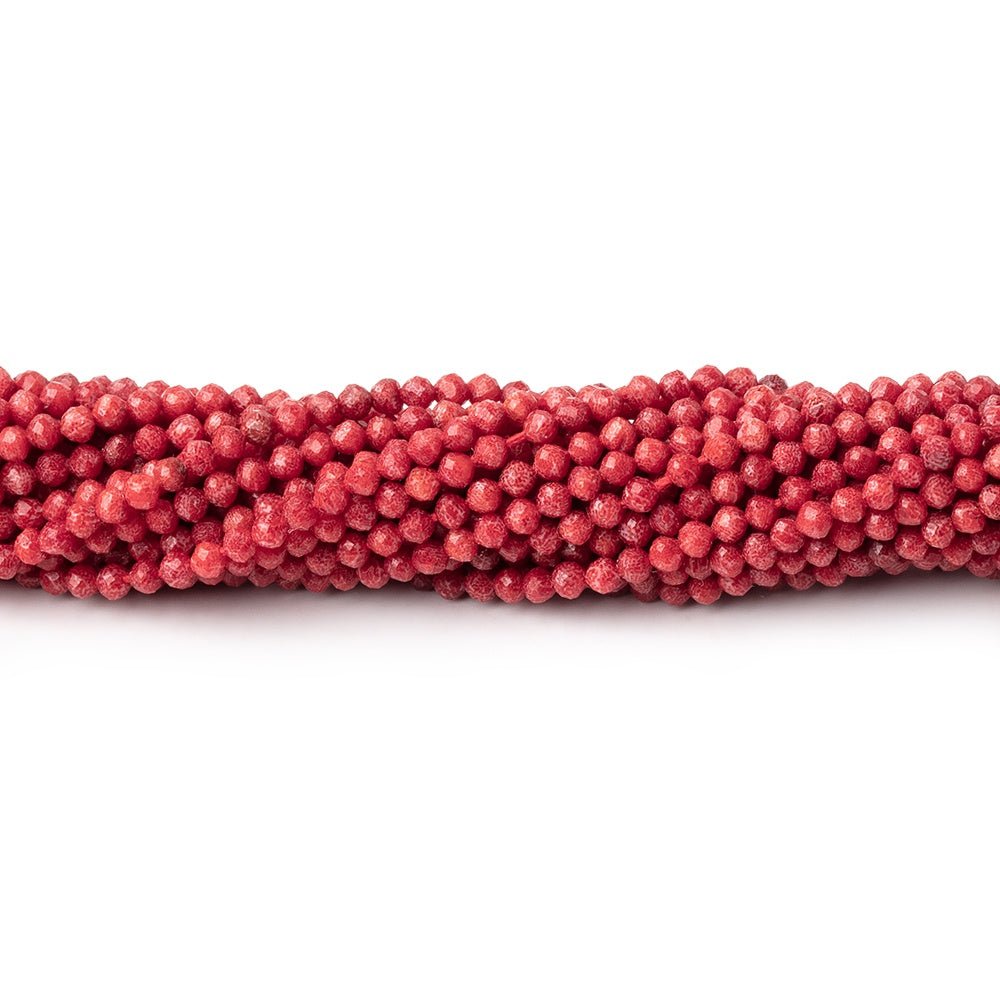
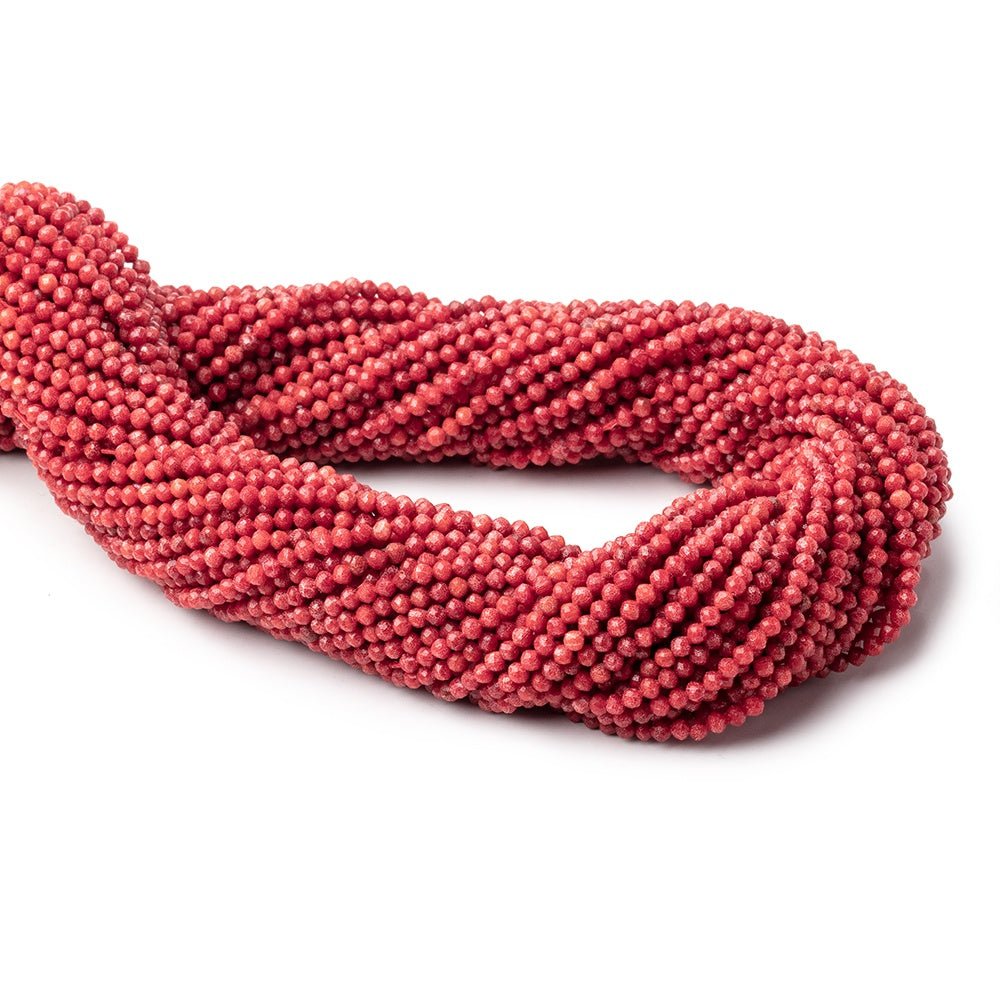
These strands are crafted from the calcified skeletal structures of marine coral, a living organism that grows in colonies on the ocean floor. Unlike mineral gemstones formed in the earth, coral is organic, which is part of what makes it so unique. It is calcium carbonate combined with magnesia and organic substances, and once polished, the surface develops a smooth, glossy luster that ranges from waxy to almost porcelain-like.
The most prized variety comes from the genus Corallium, which thrives in the Mediterranean Sea, the Sea of Japan, the Canary Isles, and the Bay of Biscay. Other types of coral are harvested from reef regions in Indonesia, Africa, and the South Pacific. Each origin produces coral with its own distinct hue, density, and pattern.
Types of Coral Available at Beads of Cambay
One of the reasons coral is so versatile in jewelry making is that it comes in many forms. Here is an overview of the popular varieties you will find when shopping our collection:
-
Mediterranean Red Coral: Considered the standard for fine coral pieces, Mediterranean red coral is known for its deep red and orange-red tones, smooth polish, and consistent color. These are popular in heirloom designs, Southwestern styles, and traditional wedding adornments.
-
Bamboo Coral: A more affordable alternative often dyed to mimic the deep red of precious coral. Bamboo coral takes color well and is ideal for layered, boho-inspired pieces.
-
Branch Coral: Cut directly from the natural branch shape, these strands vary in length and produce a beautifully organic, free-form look. They have been traded throughout the Mediterranean for centuries and remain a staple in traditional Nigerian and West African adornment.
-
Pink and Salmon Coral: Softer in tone, pink and salmon coral work beautifully with rose gold, pearls, and pastel gemstones for romantic, feminine designs.
-
Sponge Coral and Apple Coral: Featuring natural mottling and warm orange to reddish-brown tones, sponge coral has a more rustic appearance and is wonderful for earthy, organic pieces.
-
Black Coral: Historically associated with Yemen and the Arabian Peninsula, black coral is often used in prayer strands and statement designs.
-
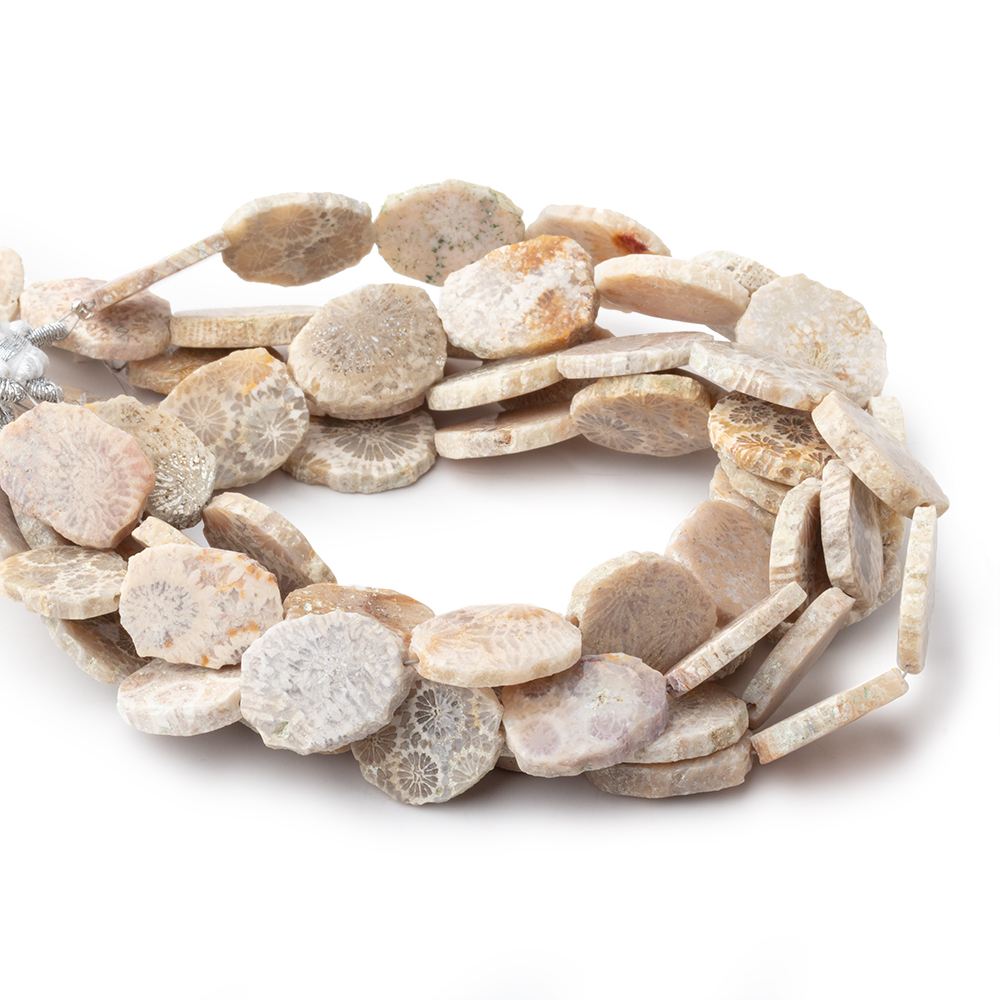
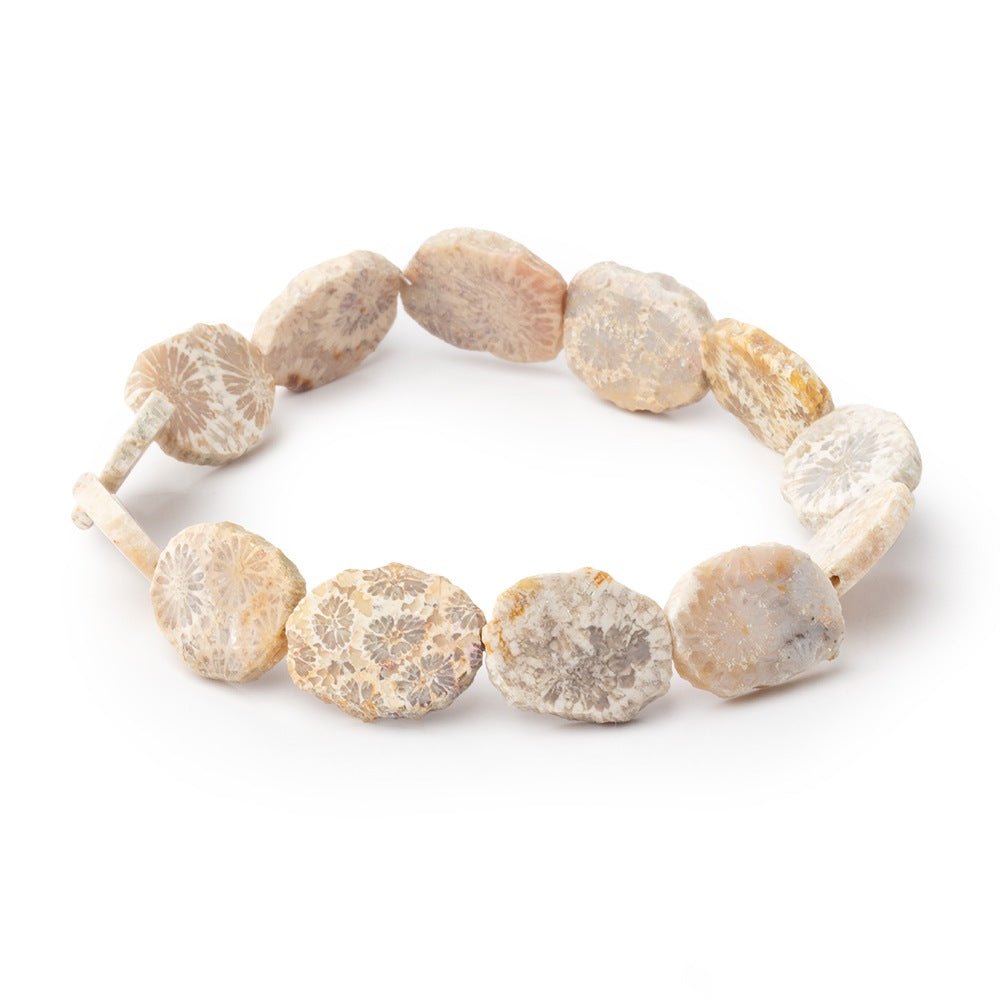
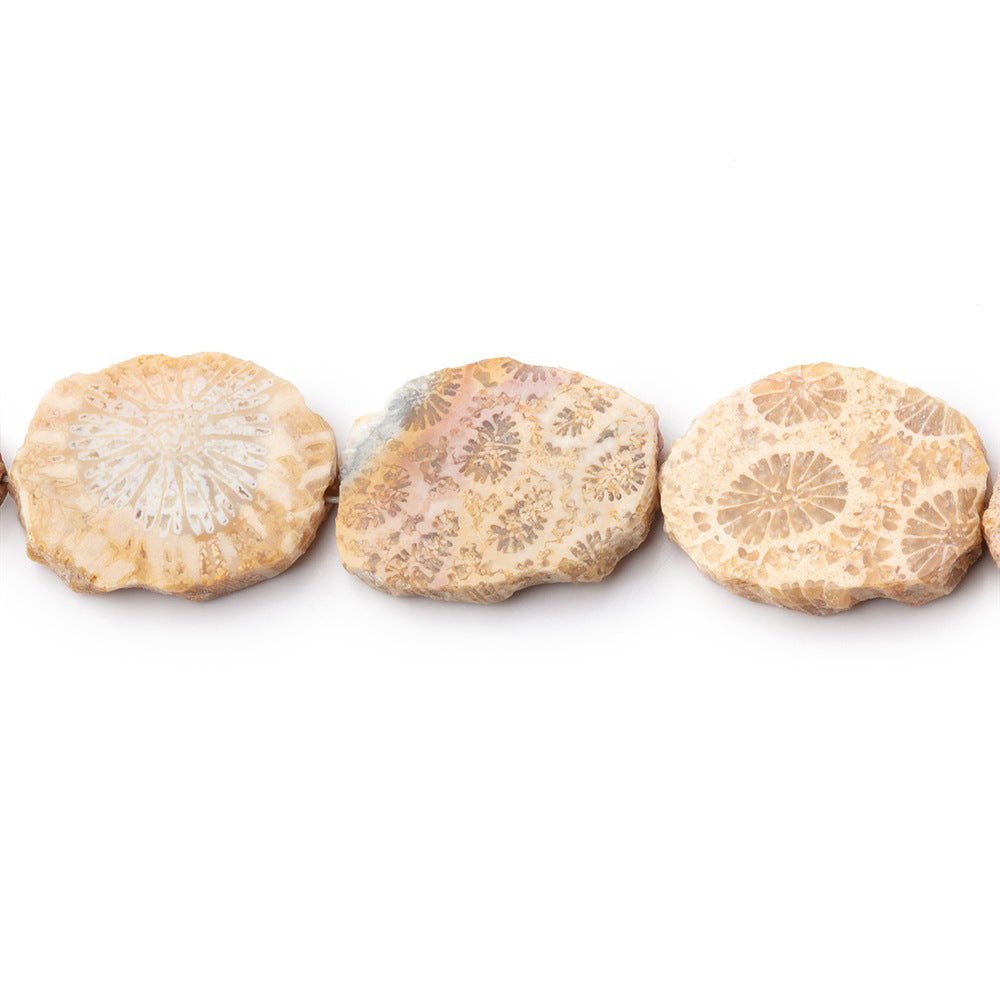
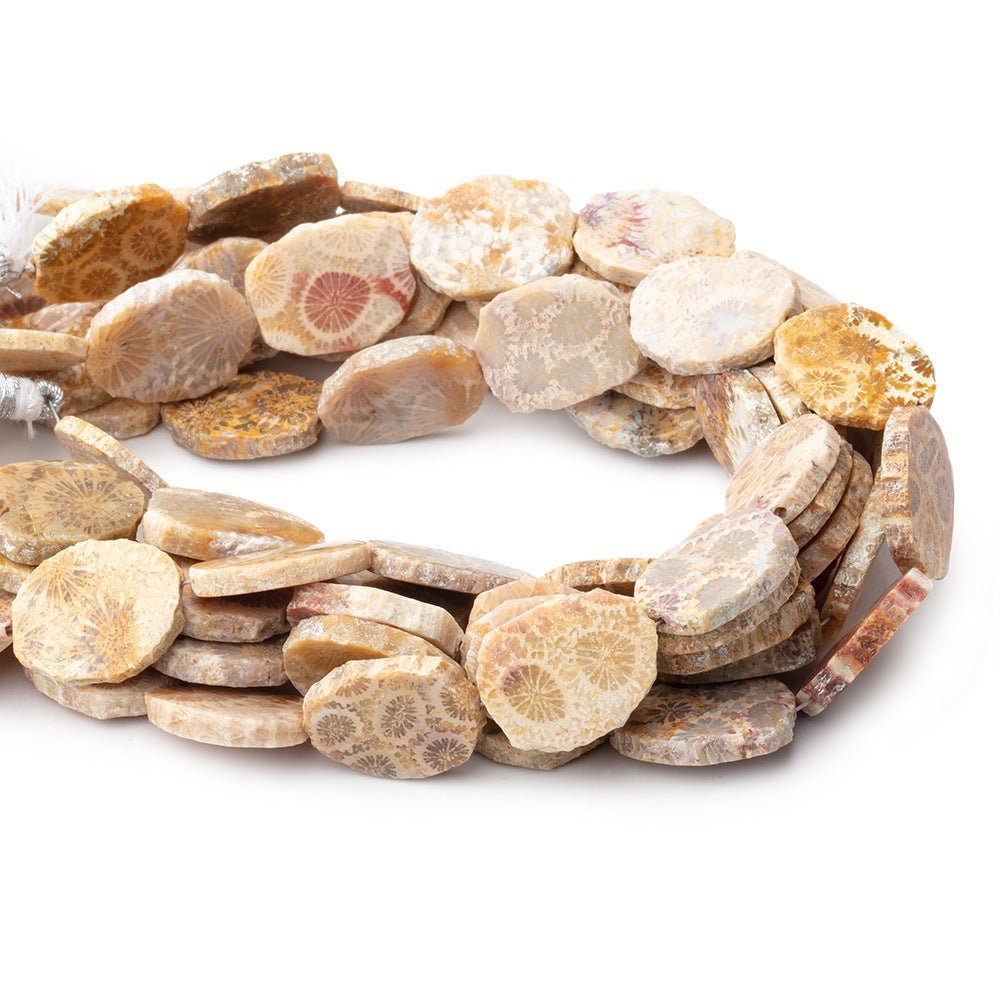
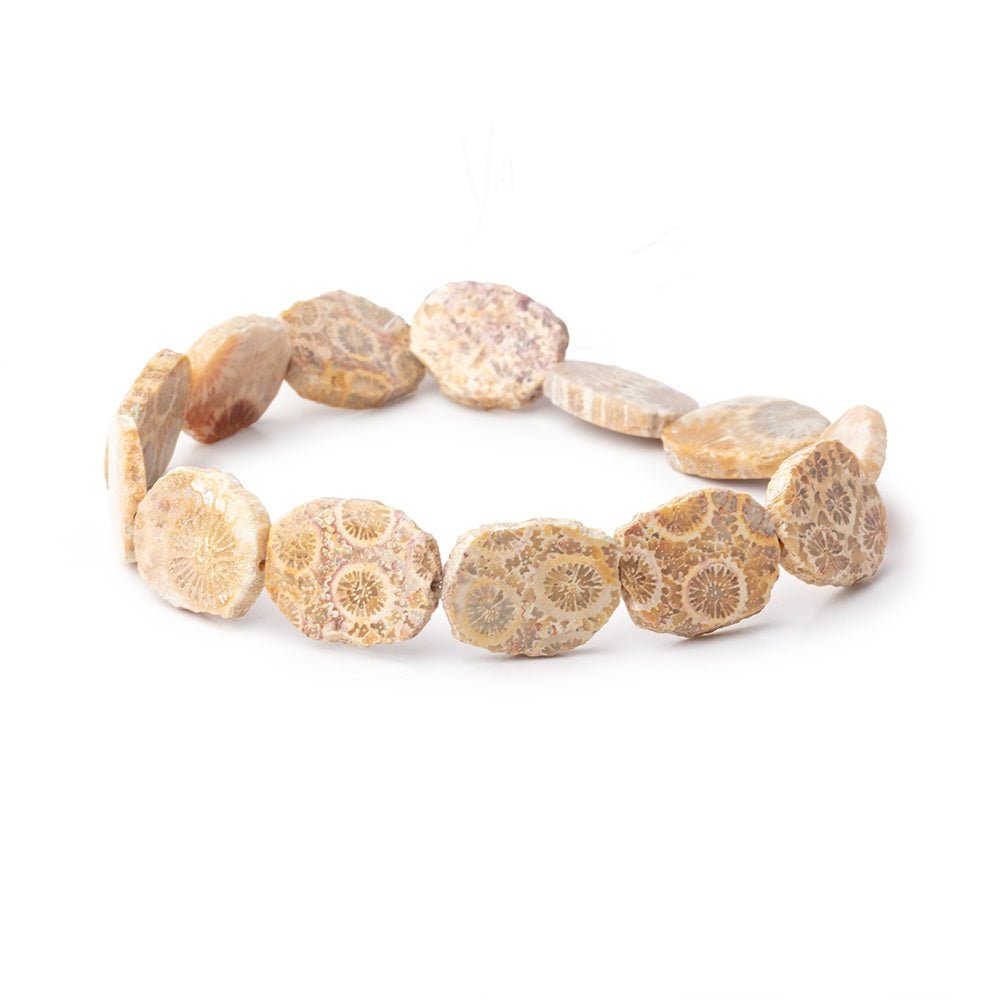
Fossil Coral: Technically agatized coral, fossil coral has transformed over millions of years and offers earthy beige, tan, brown, and rust patterns. It is excellent for nature-inspired and grounding pieces.
Shapes and Sizes
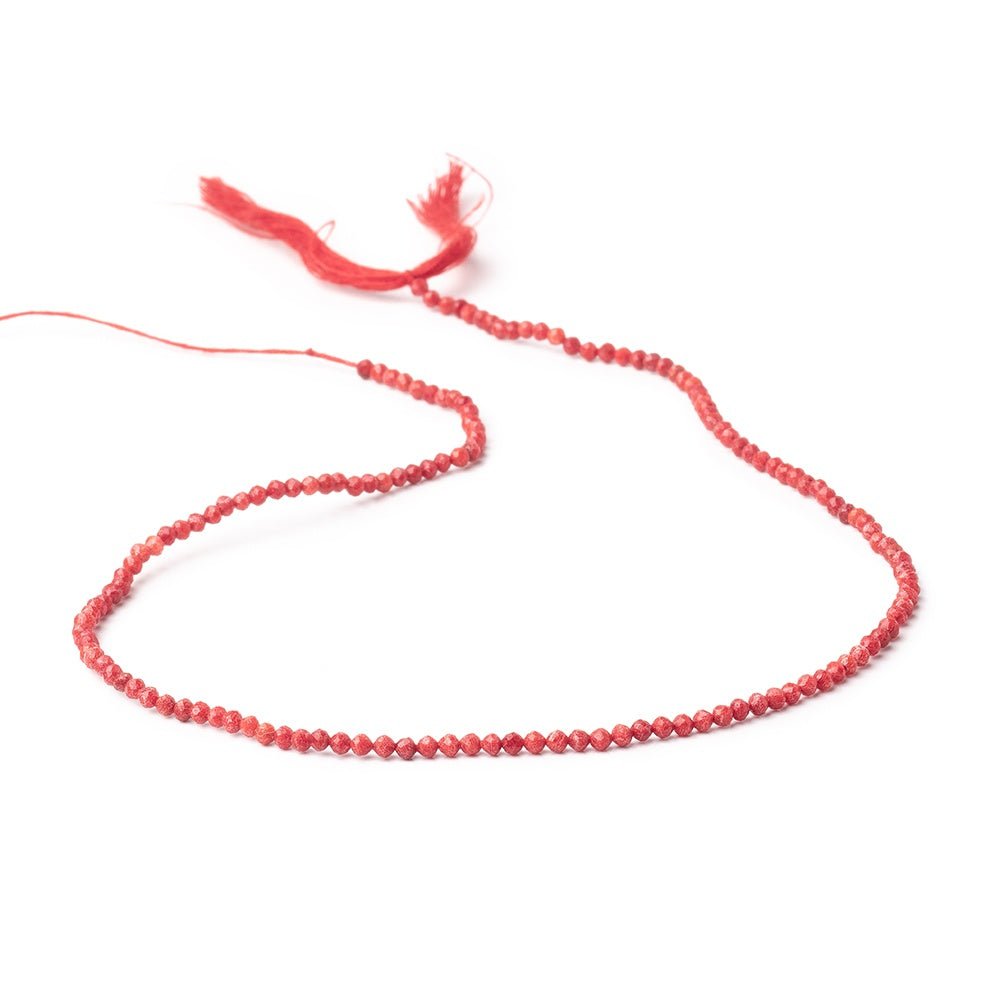
Our Coral Beads are offered in a wide range of shapes to suit every project. Common shapes include round designs (3mm to 12mm), faceted rondelles, barrels, tubes, chips, freeform nuggets, and natural branch shapes. Strands typically measure 14 to 18 inches in length, with hole sizes ranging from approximately 0.5mm to 0.8mm, depending on the cut. Graduated strands, where size increases toward the center, are especially popular for statement necklaces and squash blossom designs.
A Brief History of Coral in Jewelry
Coral has been a coveted material in jewelry making for over five thousand years. In ancient Egypt, Greece, and Rome, coral was worn as a protective amulet, believed to ward off the evil eye and bring strength to the wearer. Roman parents often gave their children coral necklaces as a symbol of safekeeping.
In China during the Qing Dynasty in the 1600s, red coral was reserved almost exclusively for the emperor and royal family. Strands of coral were combined with pearls to decorate the palace, and coral was associated with longevity and good fortune. In Japan, coral harvested from the Sea of Okinawa was treasured for centuries and became a key part of traditional Japanese craftsmanship.
Across West Africa, particularly in Nigeria, coral necklaces and chokers have long been part of traditional wedding attire, often paired with matching bracelets and earrings to signify status, wealth, and heritage. In the American Southwest, Native artisans, especially Navajo, Zuni, and Pueblo silversmiths, began incorporating Mediterranean coral into their work in the 16th century through trade routes with Spanish merchants. Coral paired with turquoise and sterling silver became iconic in squash blossom necklaces, cuff bracelets, and ceremonial pieces.
Cultural and Symbolic Meaning
Throughout history, coral has carried deep symbolic meaning across cultures. Red Coral Beads are often associated with vitality, passion, and protection. In many traditions, coral is seen as a symbol of life force, courage, and prosperity. In Indian culture, coral is one of the nine sacred Navaratna gemstones. In Italy, coral charms are still gifted to newborns as a symbol of good fortune. In Native American adornment, coral represents lifeblood and is often paired with turquoise to symbolize the balance between earth and sky.
These layered meanings make coral a popular choice not just for its color but for the story each piece can tell.
How to Identify Authentic Coral?
With so much coral on the market, knowing how to spot the real thing is essential. Natural Coral Beads display subtle variations in color, small surface markings, and a slightly waxy luster after polishing. Here are a few simple ways to check authenticity:
-
Surface texture: Genuine coral has fine natural striations and small imperfections. Perfectly uniform pieces are often dyed bone, plastic, or resin.
-
Acetone test: Lightly rub a cotton swab dipped in acetone across the surface. If color transfers to the cotton, the piece has been dyed.
-
Turmeric test: Rubbing fresh turmeric on the surface should leave no mark on authentic coral.
-
Bubble check: Inspect for tiny bubbles on the surface. Bubbles typically indicate a manufactured imitation.
For a deeper look at identifying real coral, see our complete guide on natural versus dyed coral on our blog.
Click here for more details about Natural Vs Dyed Coral Beads
How to Use Coral in Jewelry Design?
Coral is one of the most flexible organic gems for jewelry making because it pairs beautifully with many materials. Here are popular ways designers incorporate coral into their work:
-
Coral and turquoise: A timeless Southwestern combination that brings warmth and contrast.
-
Coral and pearls: A classic Mediterranean pairing that feels both vintage and refined.
-
Coral and sterling silver: Perfect for bold, statement-making cuffs, rings, and pendants.
-
Coral and gold: Adds richness to traditional and ceremonial Coral Jewelry.
-
Mixed gemstone designs: Coral plays well with carnelian, lapis lazuli, jade, and onyx for layered, boho-inspired strands.
Whether you are stringing a single graduated strand or designing a multi-layered necklace, Coral Beads add an unmistakable warmth that elevates any piece.
Caring for Your Coral
Coral is softer than most mineral gemstones, so a little extra care helps preserve its color and polish. Avoid exposure to harsh chemicals, perfumes, and hairsprays. Clean coral gently with a soft, slightly damp cloth and store pieces in a soft fabric pouch away from sharp edges. Following the rule of thumb, "last on, first off," when dressing helps protect coral pieces from accidental damage.
Sourcing and Quality at Beads of Cambay
At Beads of Cambay, we take ethical sourcing seriously. Our coral is procured only from approved and sustainable suppliers, and each strand is inspected for color consistency, polish quality, and drill accuracy. We grade our coral as A, AA, or AAA depending on uniformity, polish, and color depth, so designers know exactly what they are getting.
We also offer Coral Beads Wholesale pricing for jewelry designers, retailers, and artisans who buy in bulk. Wholesale accounts can be set up by submitting a resale tax ID, and discounts apply automatically when logged in. Bulk buyers benefit from tiered pricing on our most popular coral collections.
Coral Beads - Frequently Asked Questions
Are These Strands Considered Real Gemstones?
Coral is classified as an organic gem, meaning it comes from a living organism rather than a mineral formation. Like pearls and amber, coral is considered a precious natural material valued in fine jewelry.
What Does the Price Depend On?
Pricing varies based on origin, color depth, size, shape, and grade. Larger, deeper-red Mediterranean coral commands premium prices, while bamboo and sponge coral are more accessible.
Can Coral Be Re-Strung or Restored?
Yes. Because coral is durable when handled properly, strands can be restrung, and lightly scuffed pieces can sometimes be re-polished by a professional jeweler.
What Length Should a Coral Necklace Be?
Most standard strands measure 16 to 18 inches, which suits choker and princess-length necklaces. Longer strands of 24 to 36 inches work well for matinee and opera-length designs.
Start Designing with Coral Today
From traditional Mediterranean strands to natural fossil and bamboo varieties, Beads of Cambay carries one of the most complete coral collections online. Browse our full range of Coral Beads above to find the perfect strand for your next project, and pair coral with our turquoise, pearl, and sterling silver offerings to create pieces that feel rooted in tradition yet entirely your own.
Hear what customers are saying about our service and products!
We are rated 4.9 out of 5 stars. 3000+ Five-Star Reviews.