

Biwa Freshwater Pearls
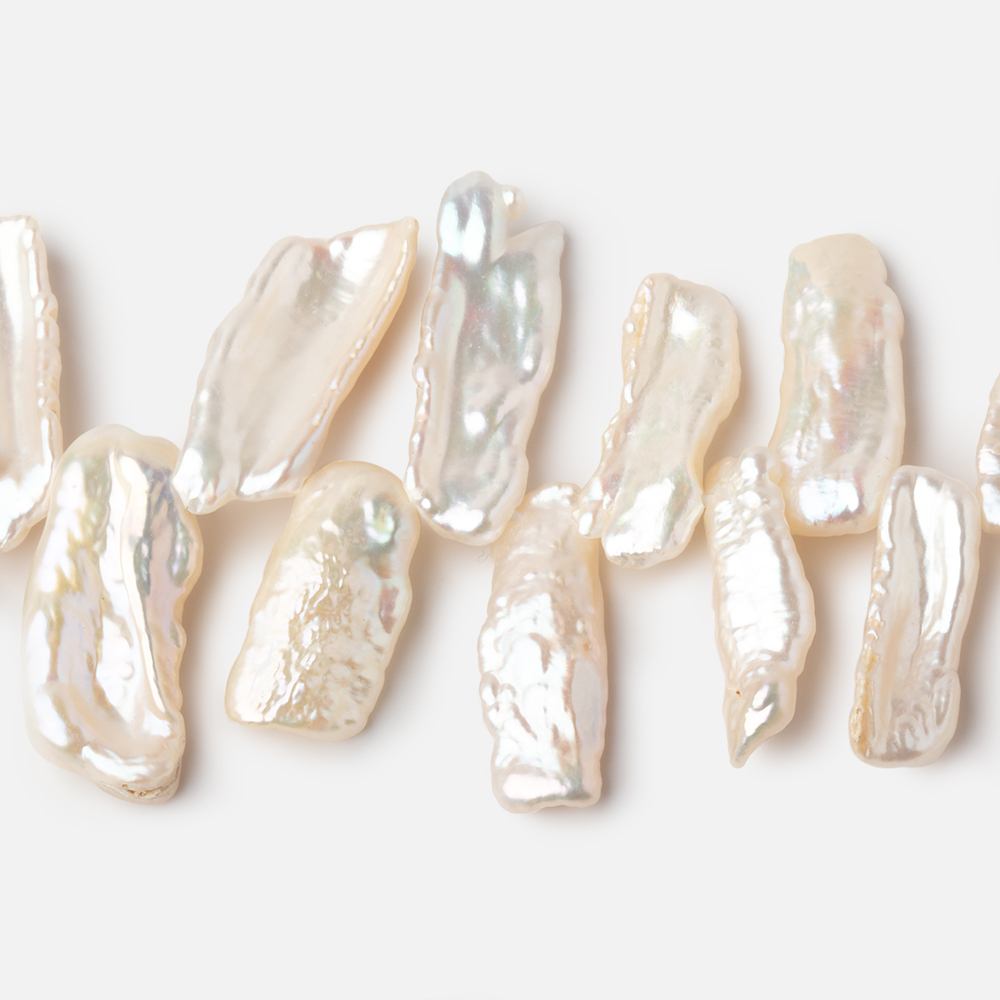
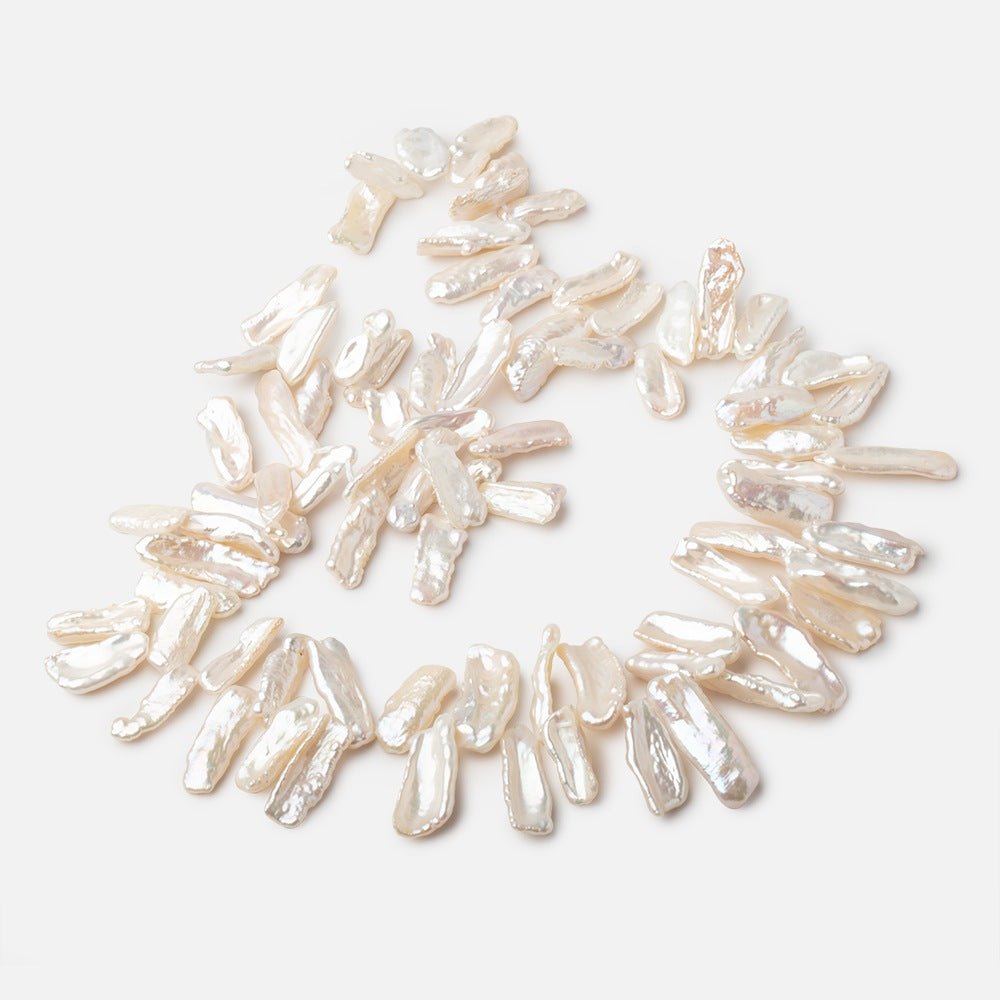
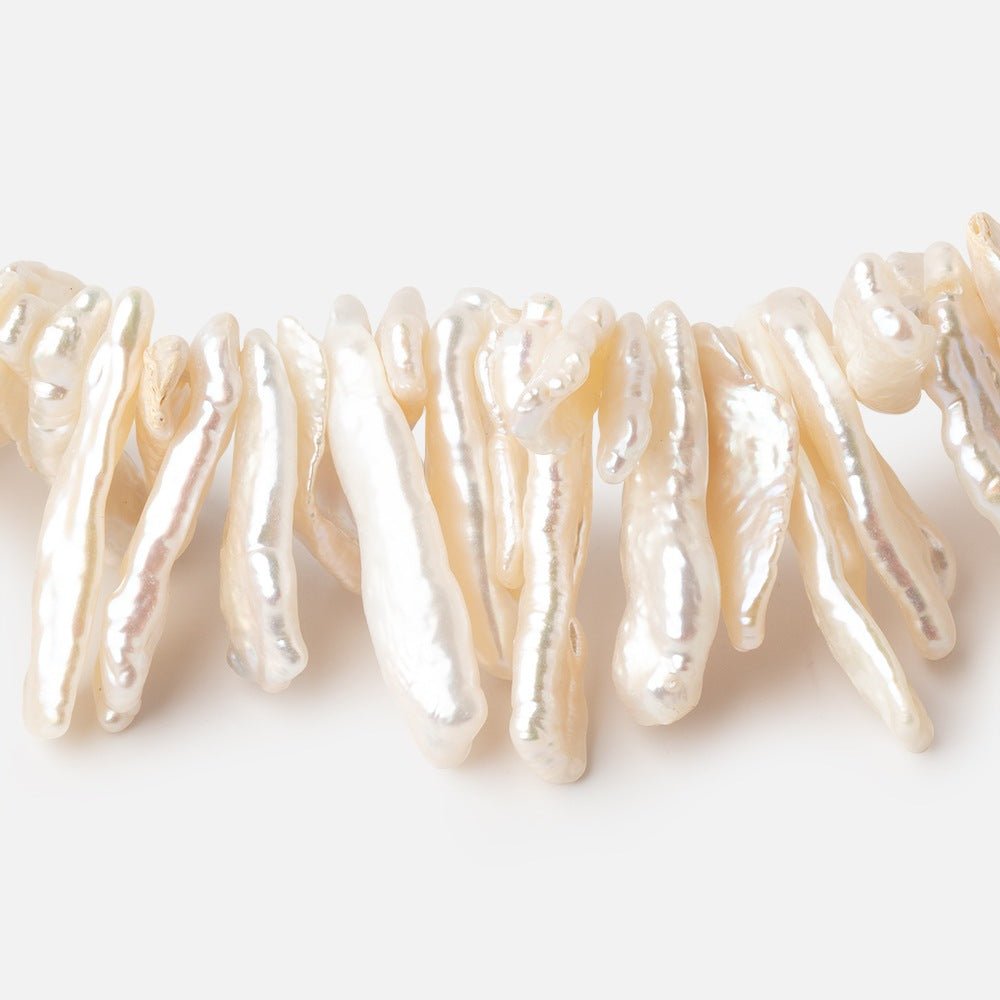
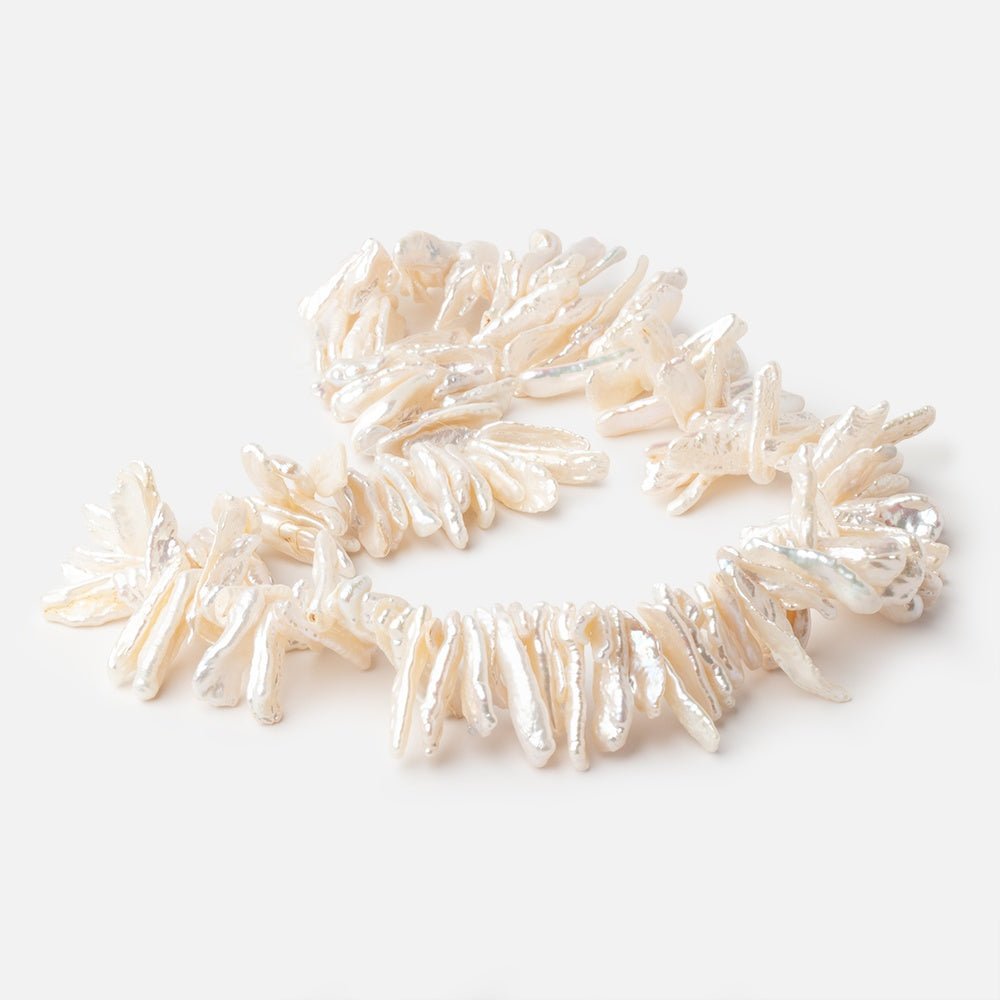
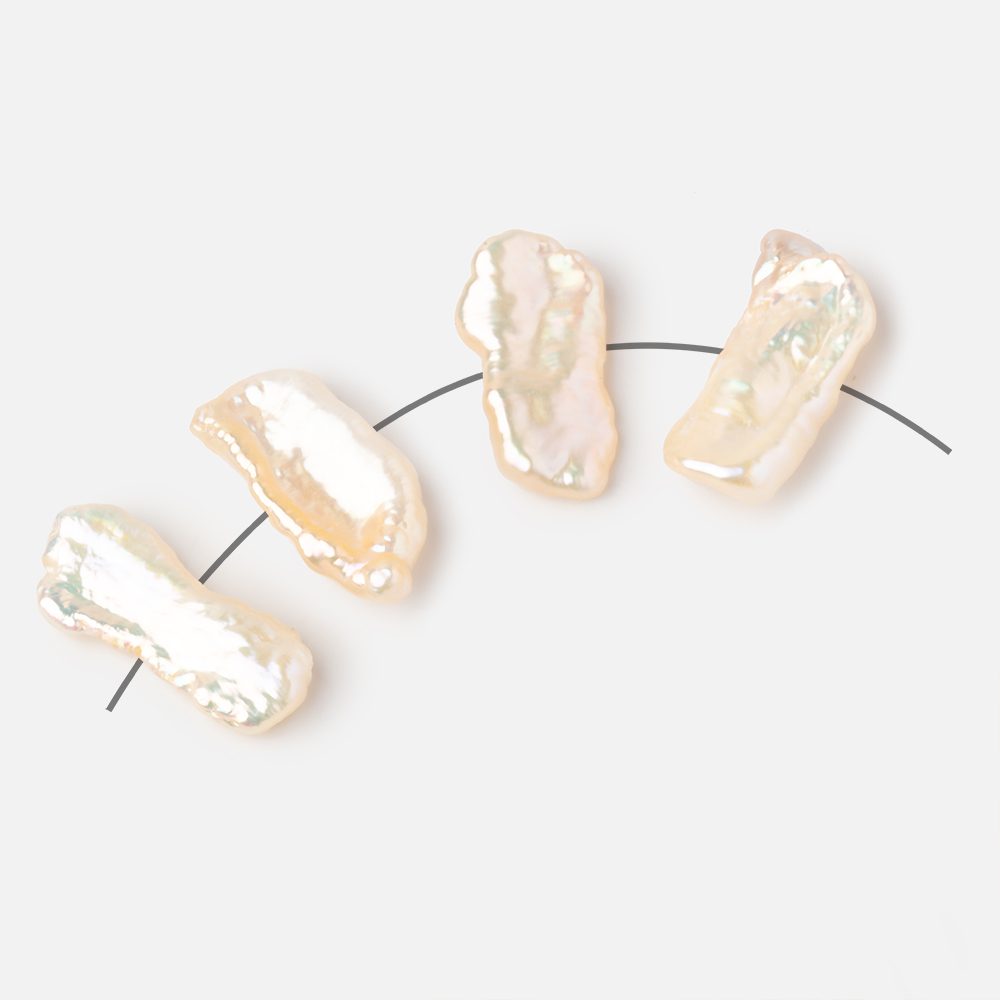
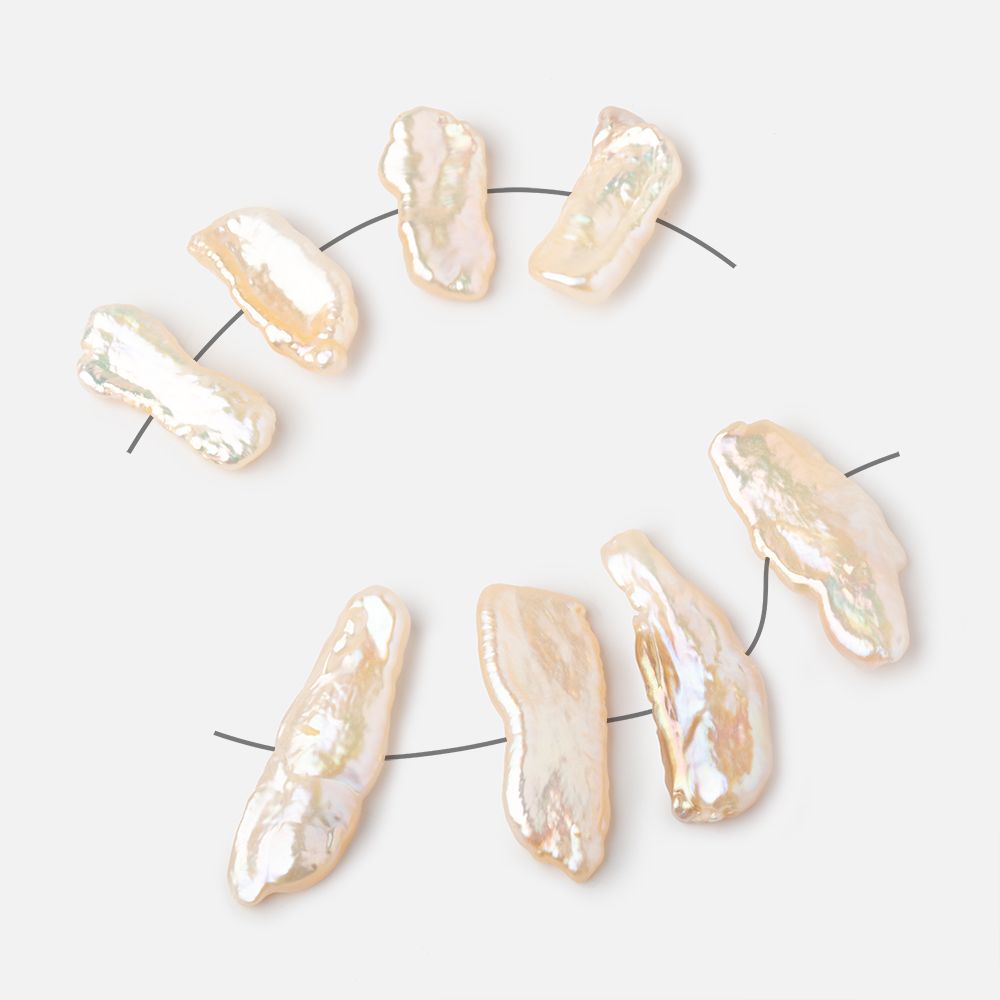
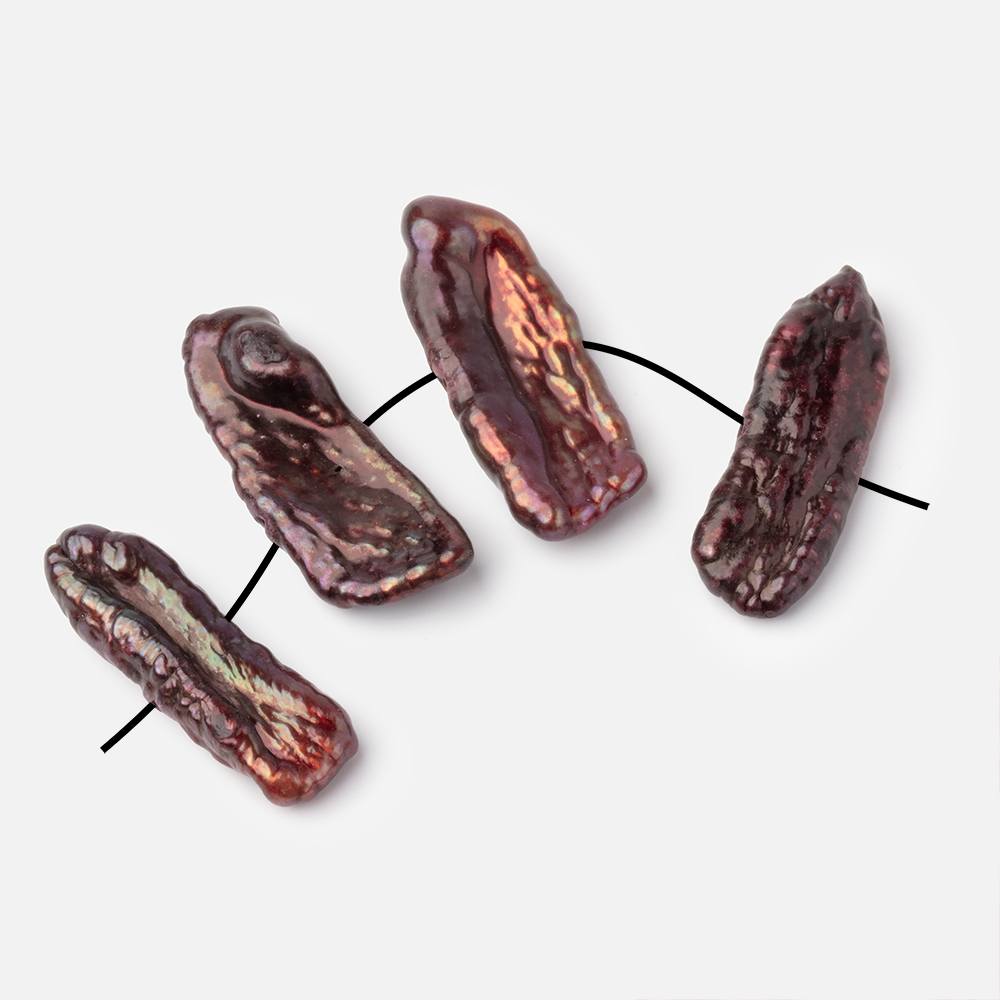
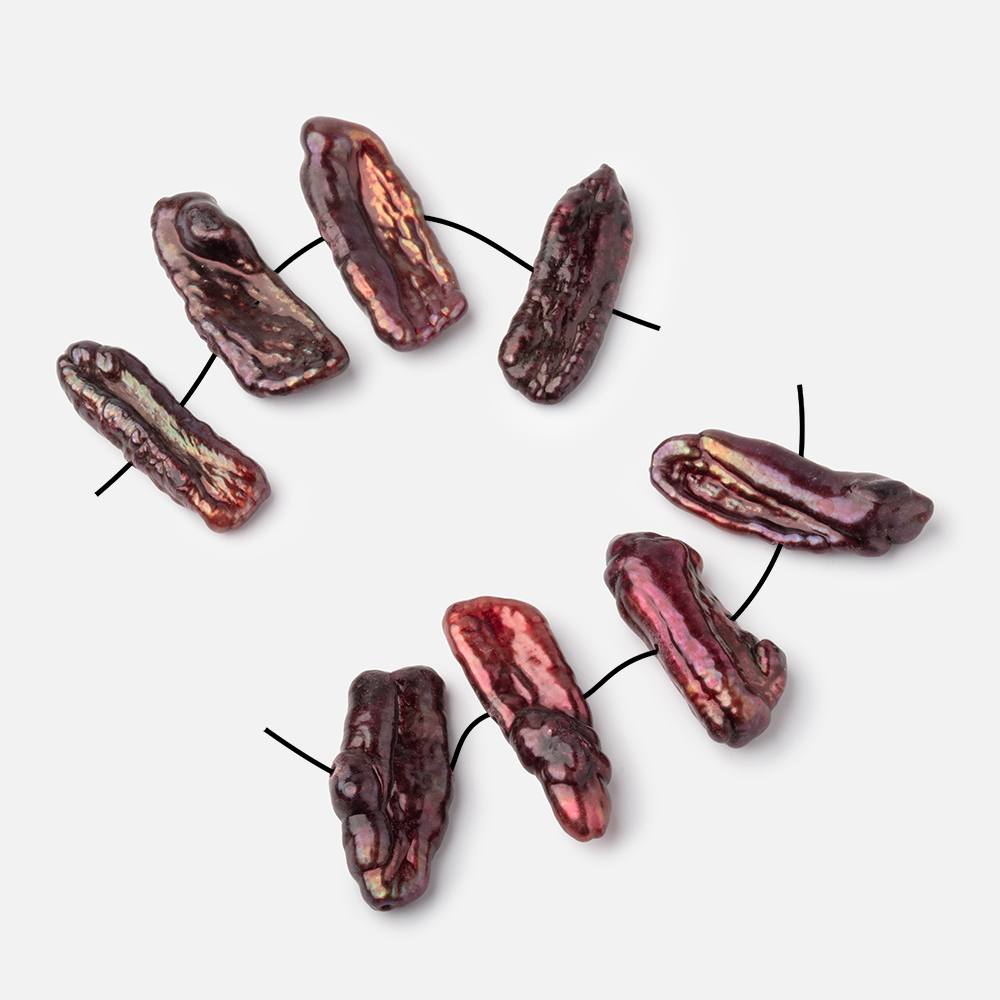
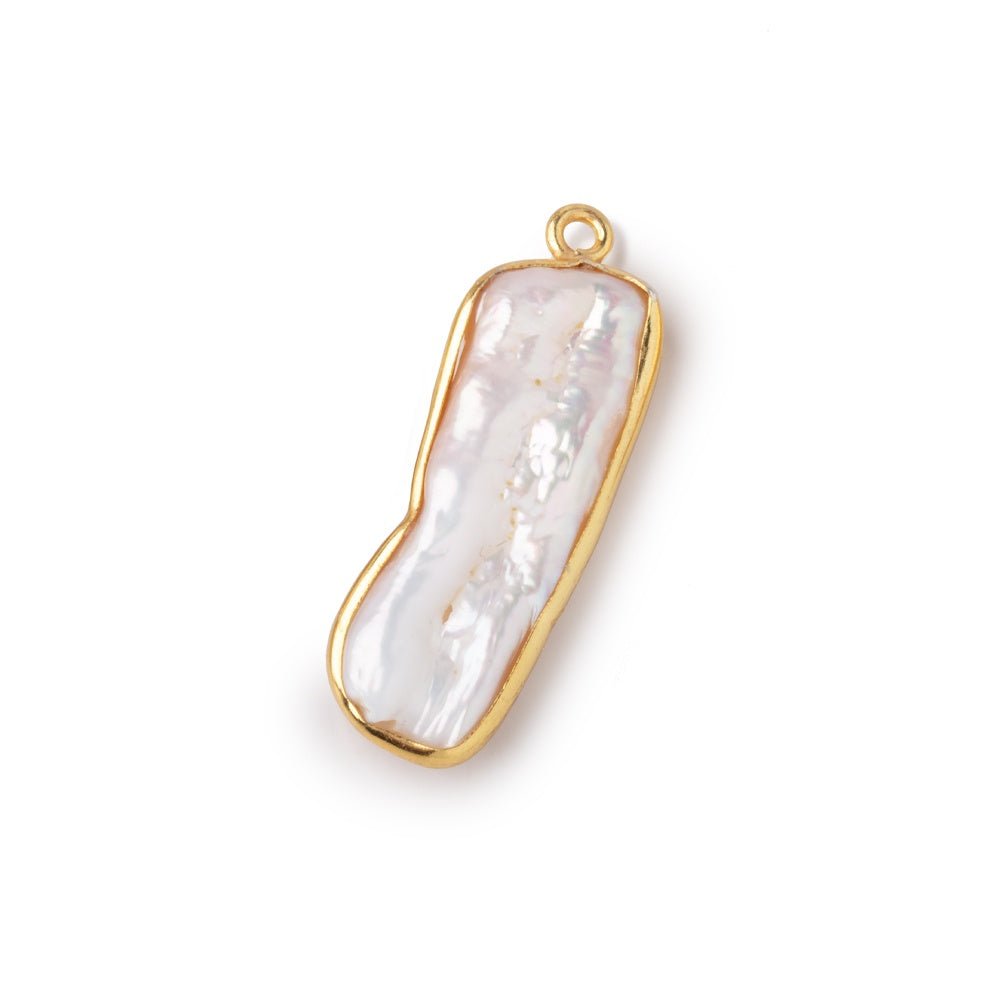
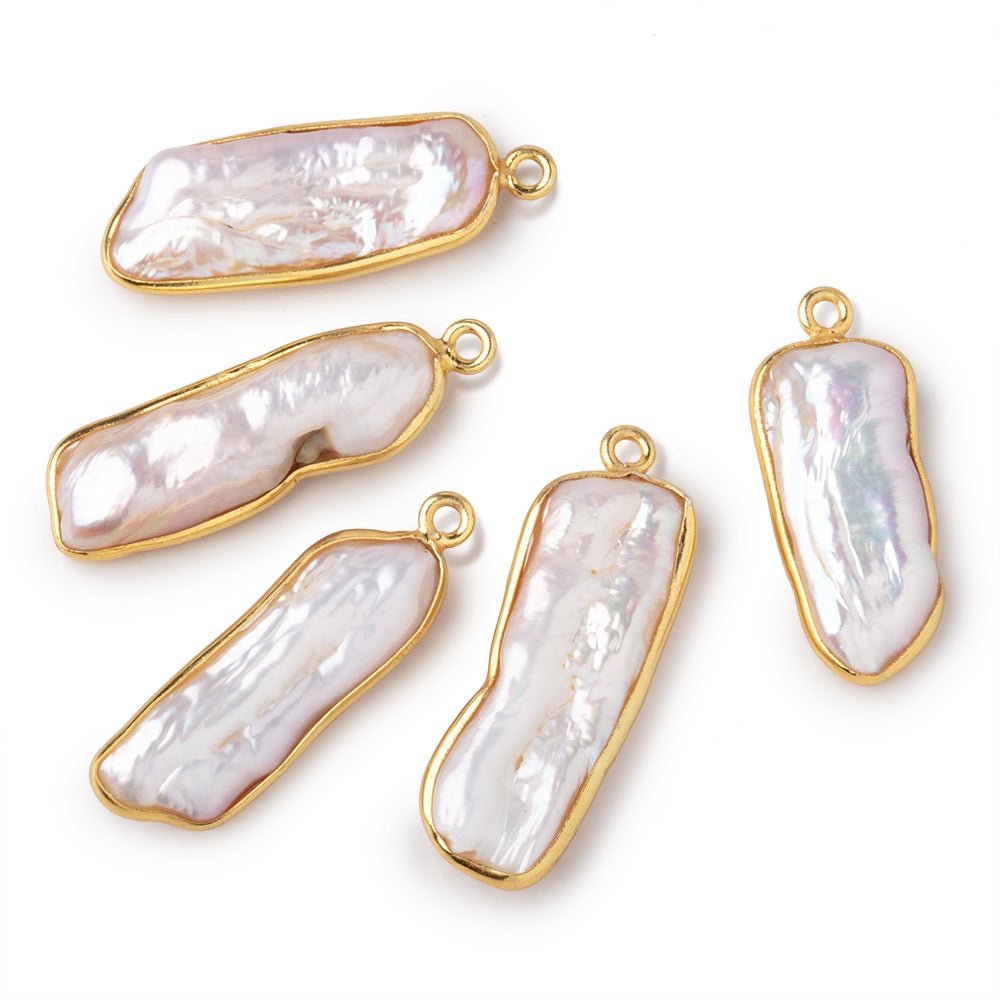
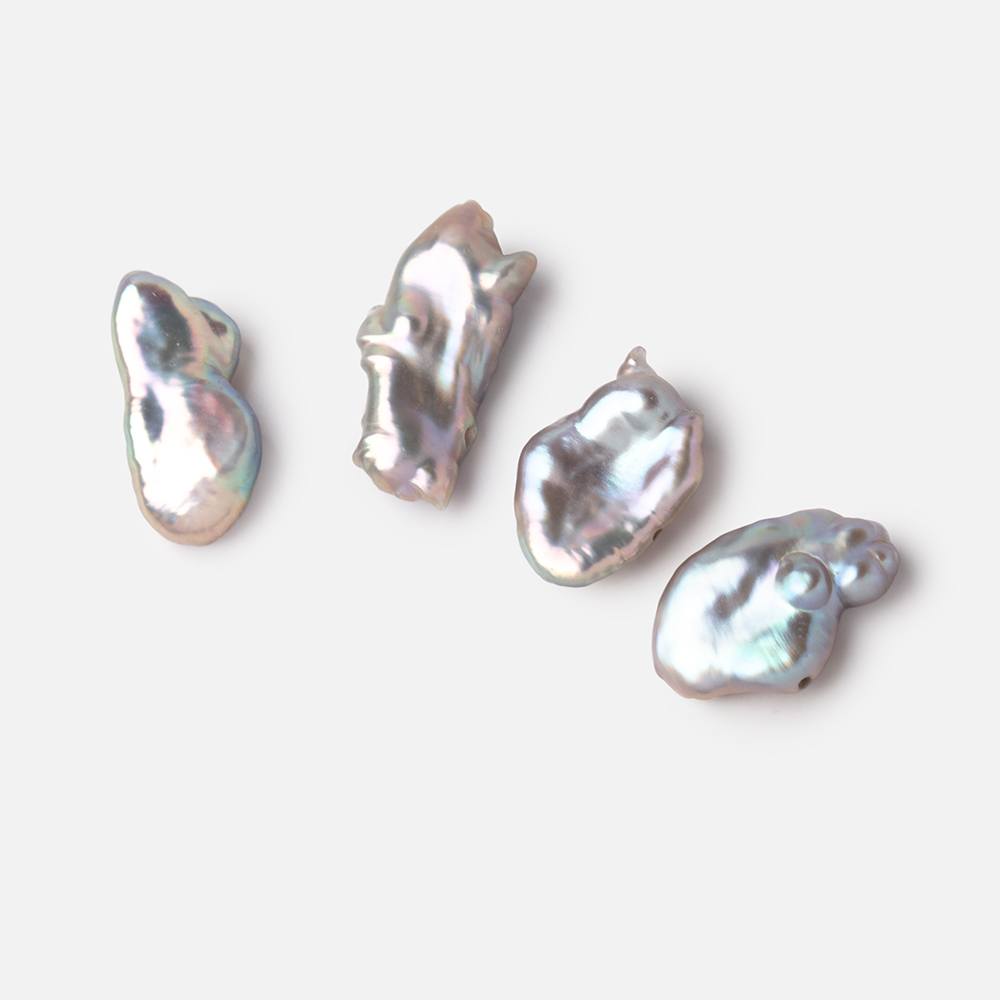
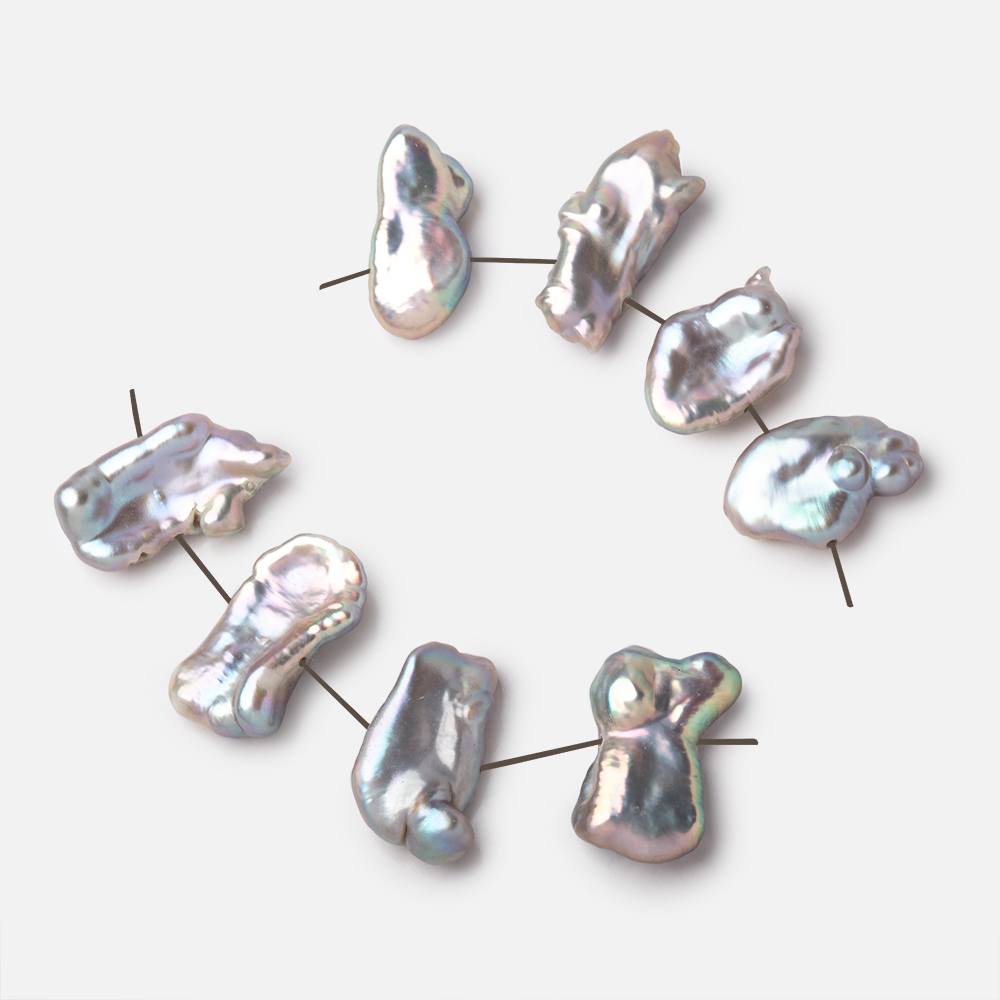
Biwa freshwater pearls are among the most distinctive and sought-after pearl shapes in jewelry design. Unlike classic round pearls, they form in irregular, elongated shapes, sticks, bars, and flat petals because they grow without a bead nucleus, producing thick, all-nacre layers and a rich, satiny luster. At Beads of Cambay, we have spent years carefully curating biwa pearl beads for designers, studios, and collectors who value authenticity and quality in every strand.


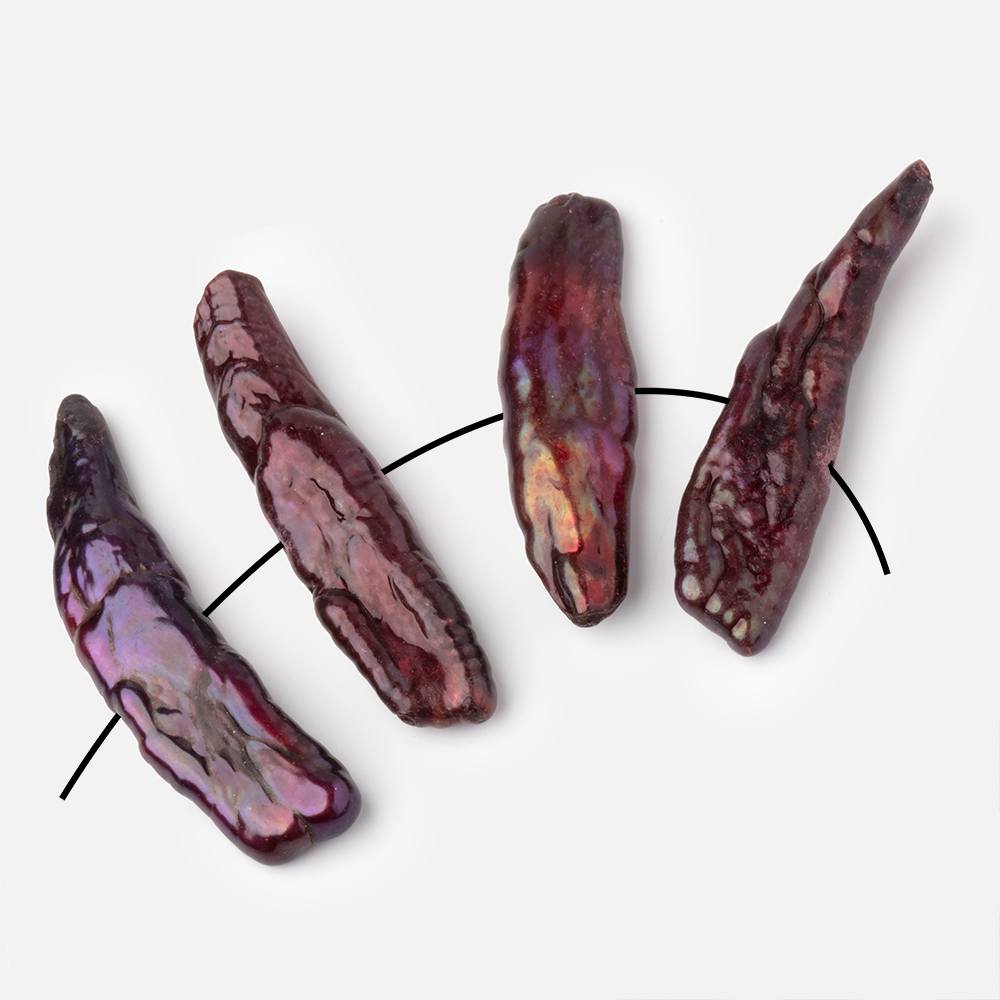
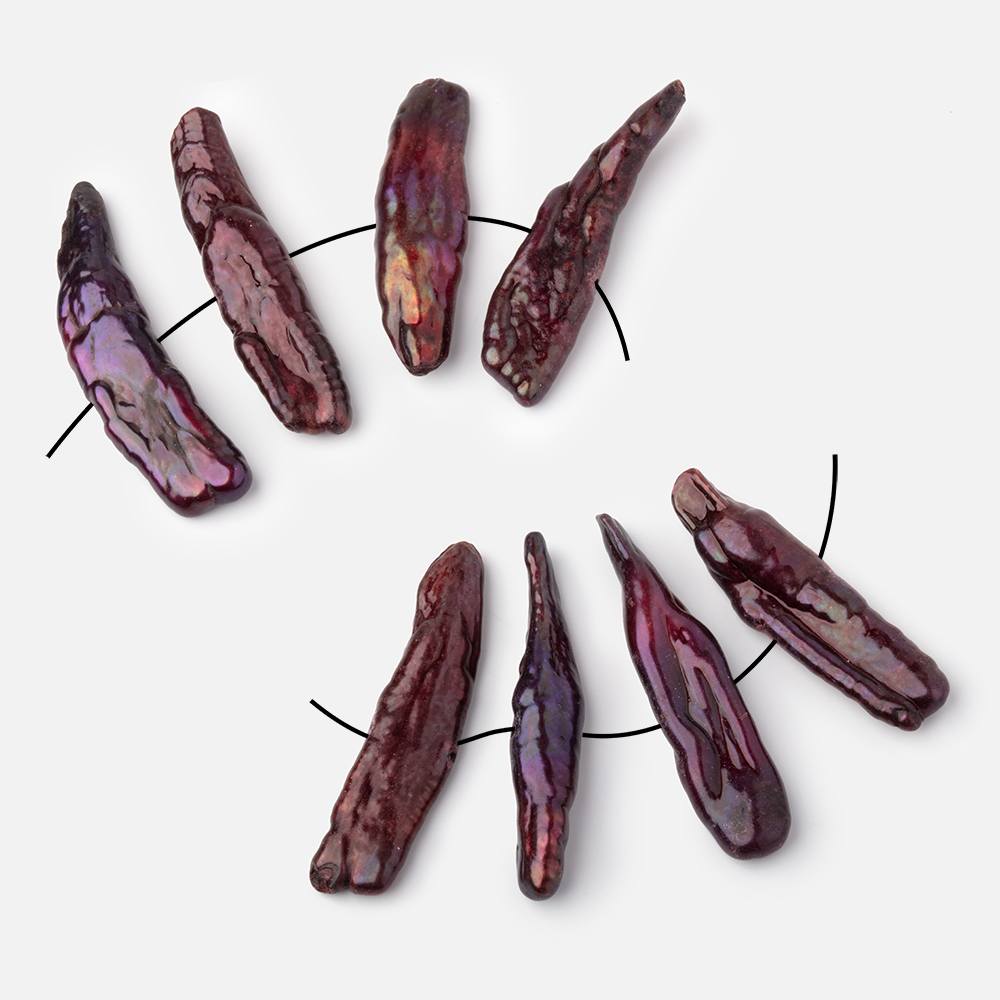
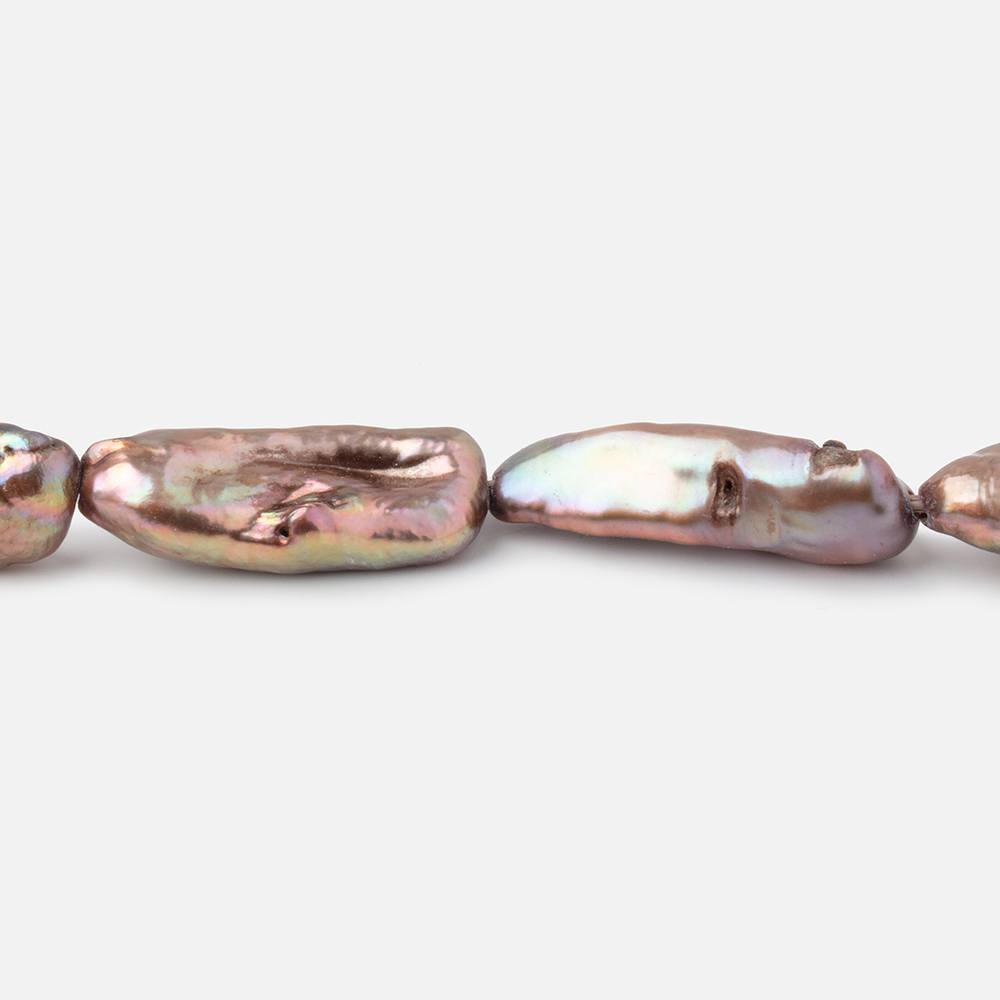
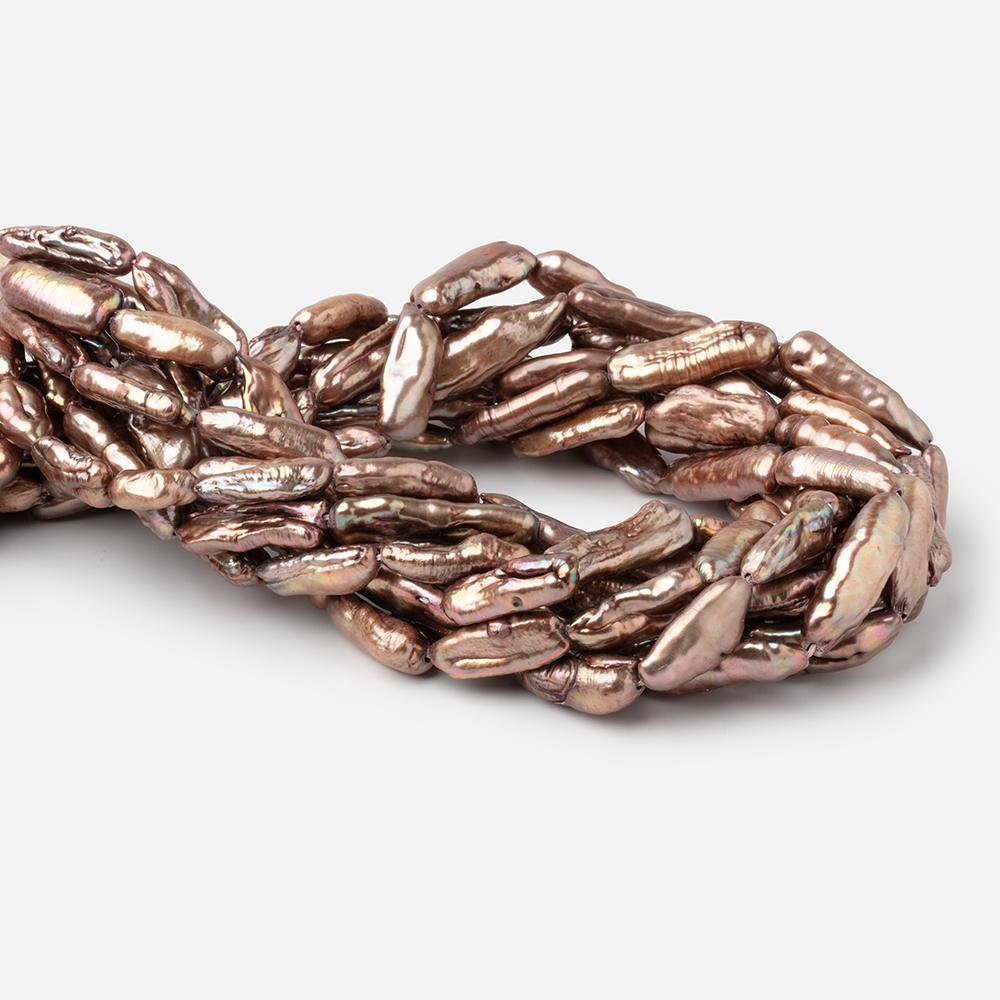
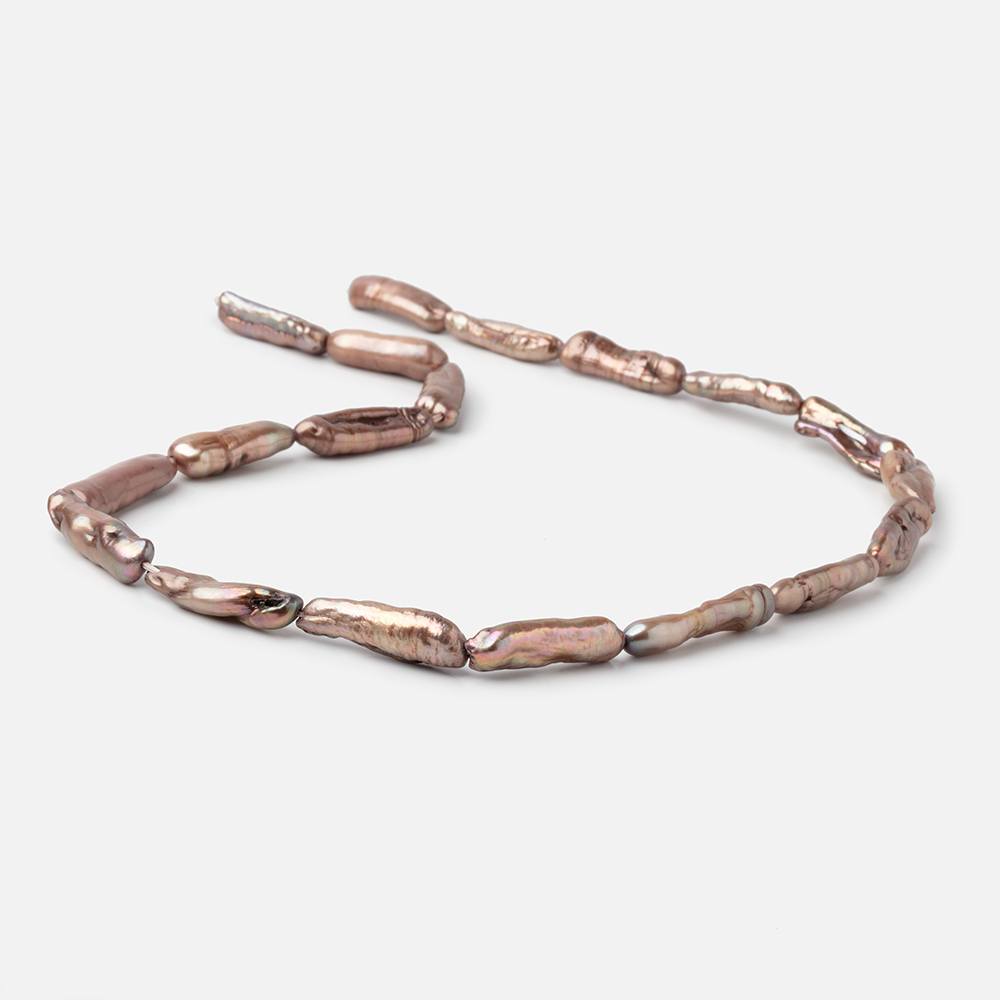
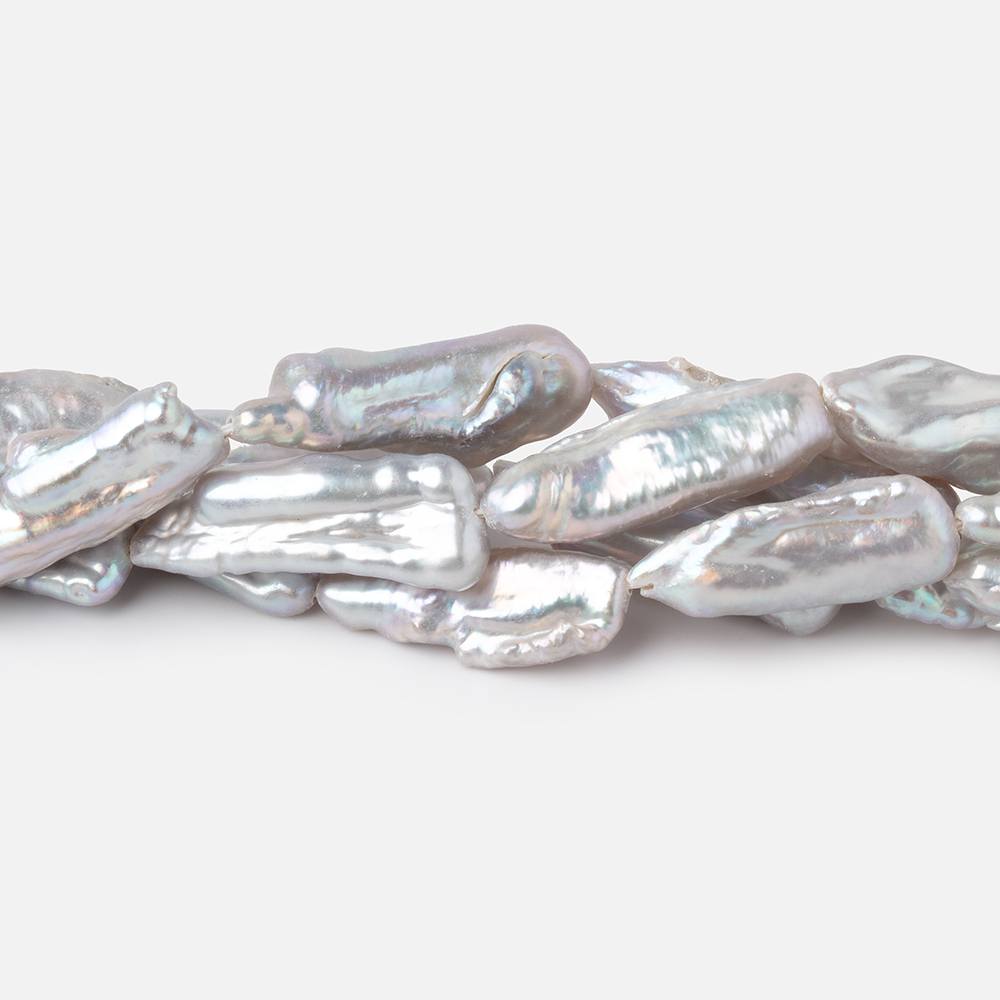
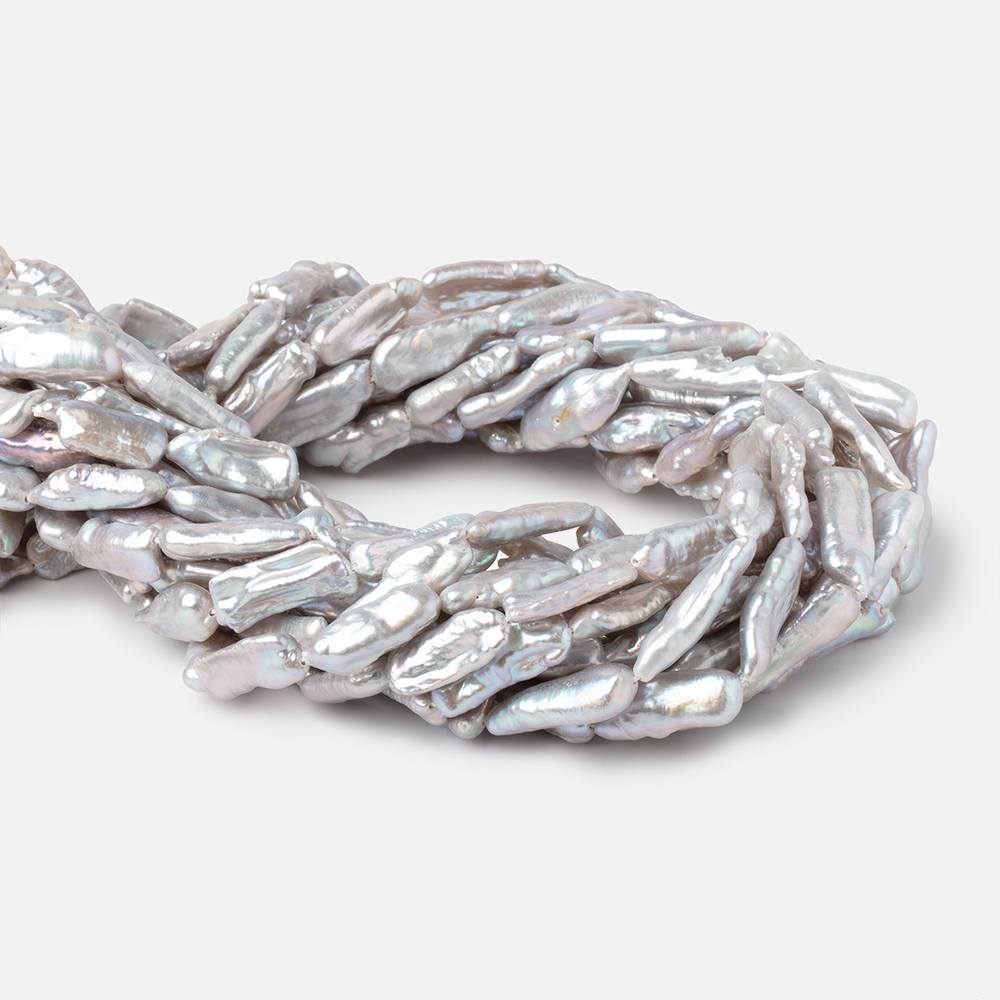
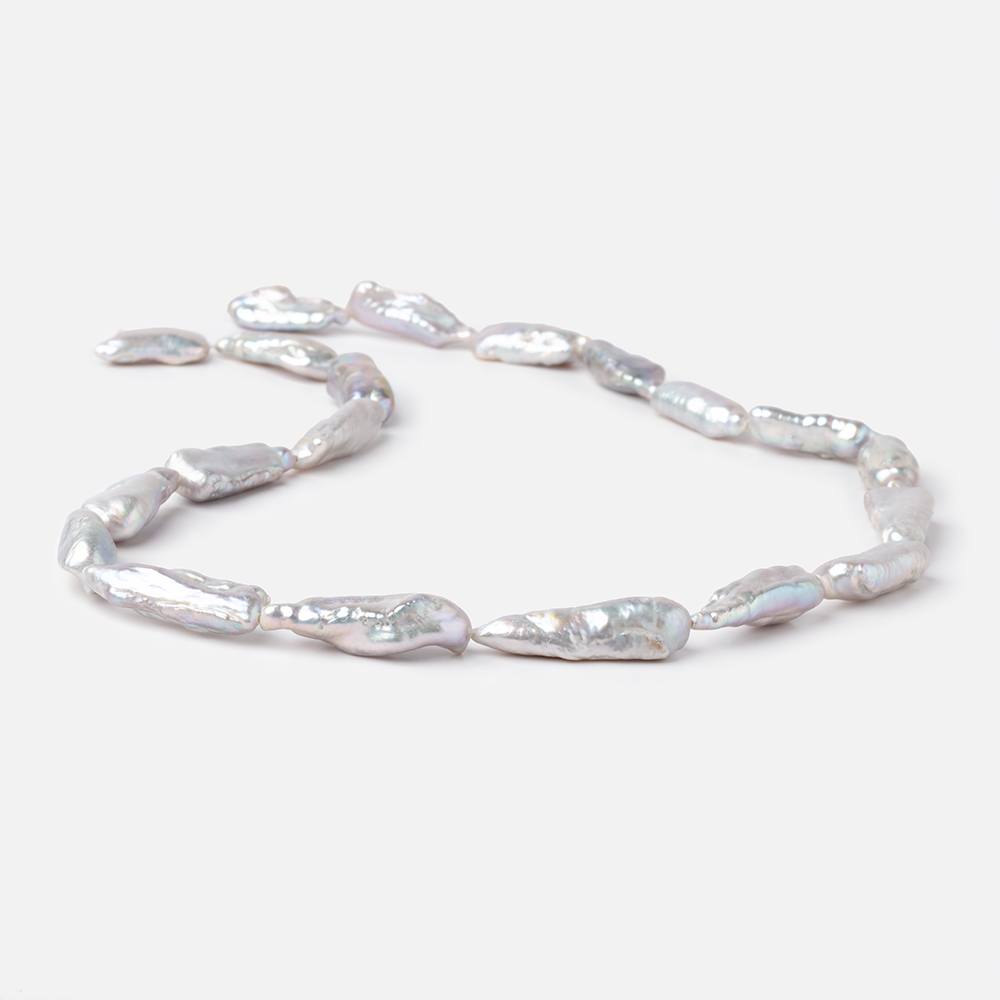


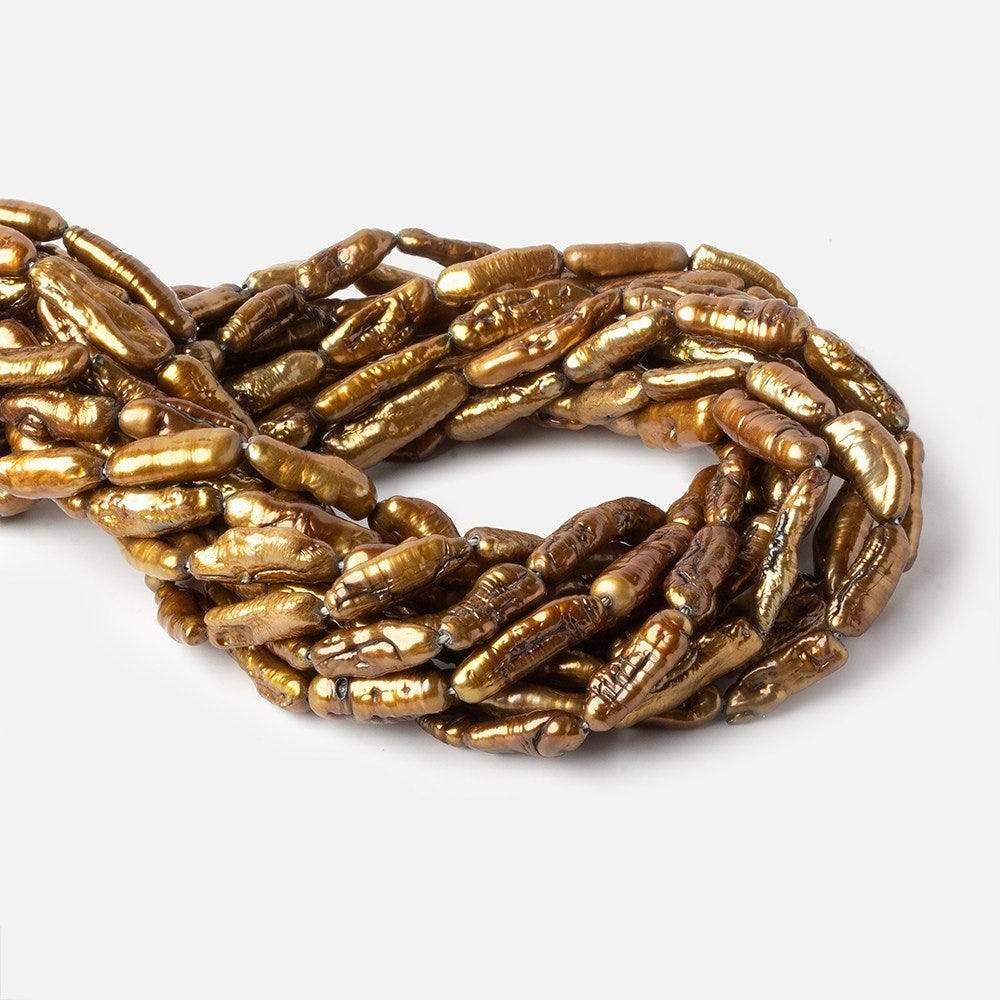
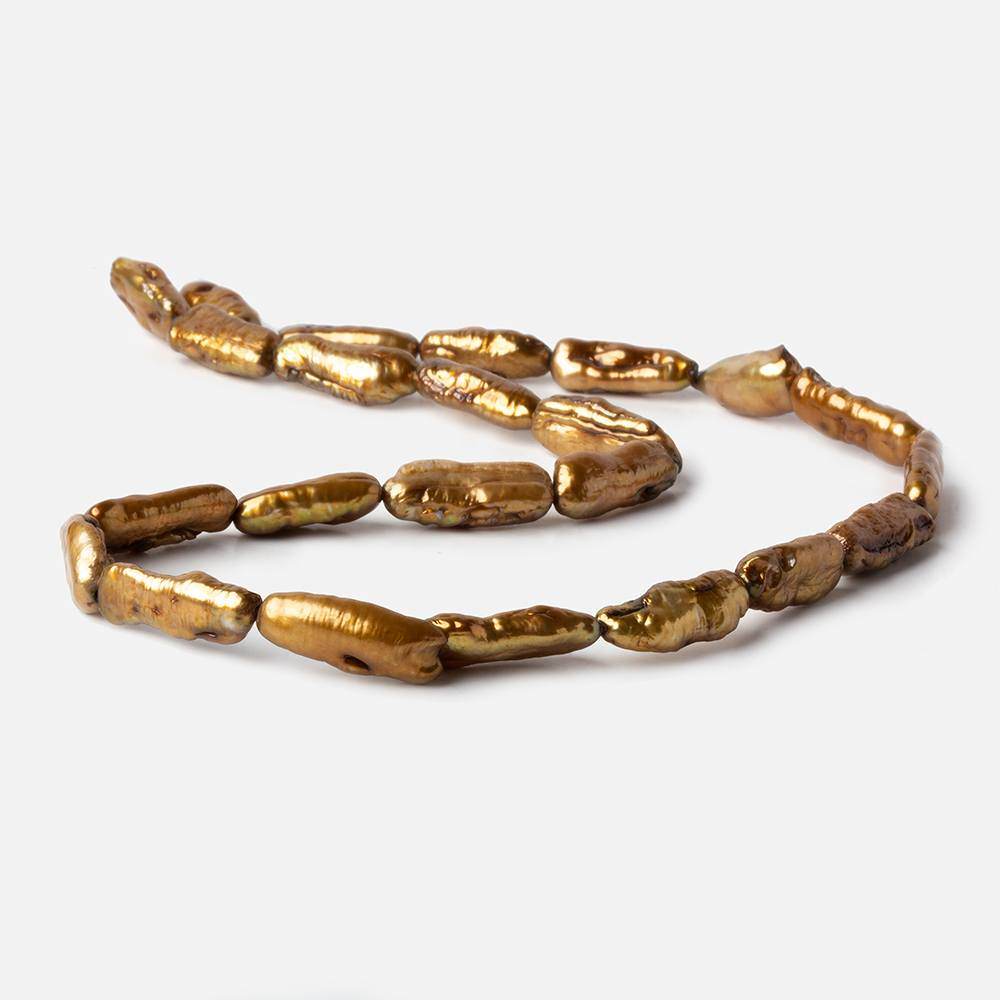
What Is a Biwa Pearl?
A biwa pearl is a cultured freshwater pearl originally grown in mussels native to Lake Biwa, Japan — the world's center of freshwater pearl production from the 1930s until environmental decline slowed output in the 1980s. Because mantle tissue rather than a bead nucleus is implanted, the pearls form entirely of nacre, giving them exceptional luster and their signature organic shape.
Today, biwa freshwater pearls sold commercially are primarily produced in China using the same mussel cultivation techniques pioneered at Lake Biwa. Genuine vintage Lake Biwa pearls from the original Japanese production era remain rare collectibles.
Biwa Pearl Shapes, Drilling Styles, and Colors
One of the most appealing things about this pearl variety is the range of organic forms it naturally takes. Our collection includes:
-
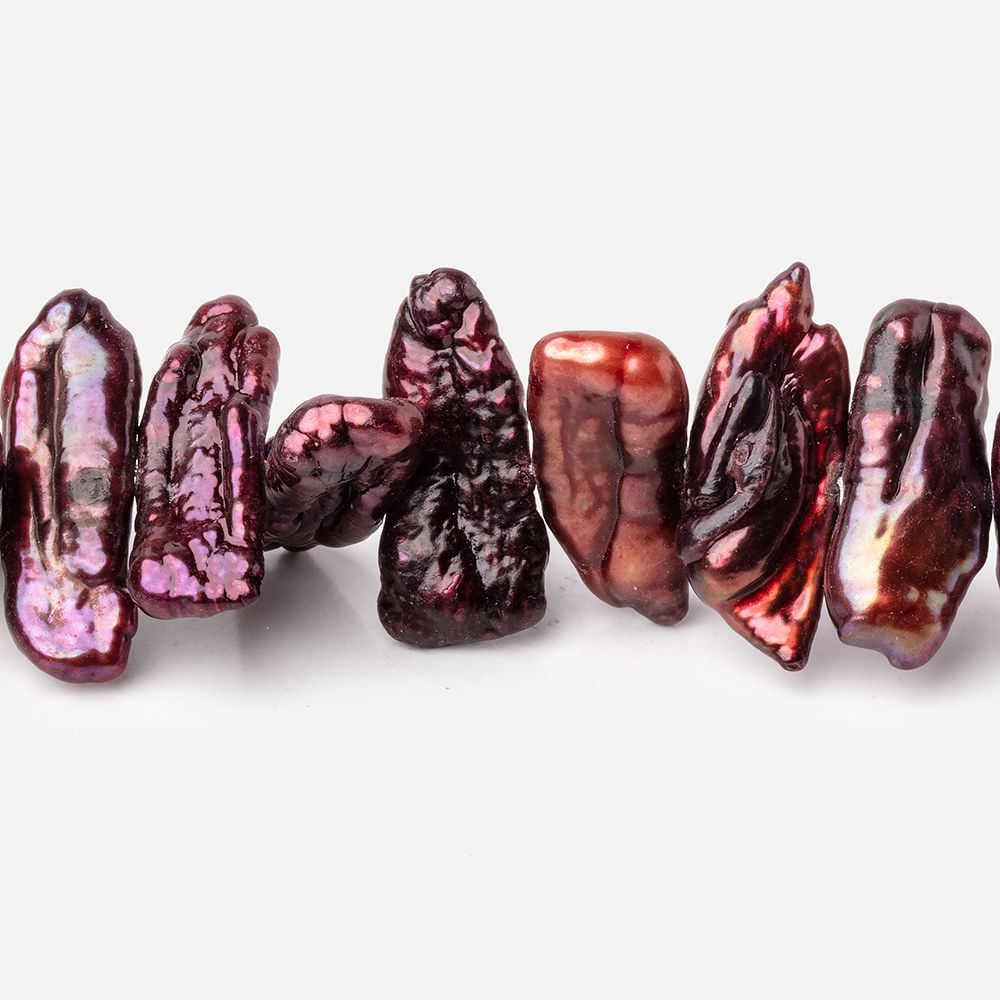
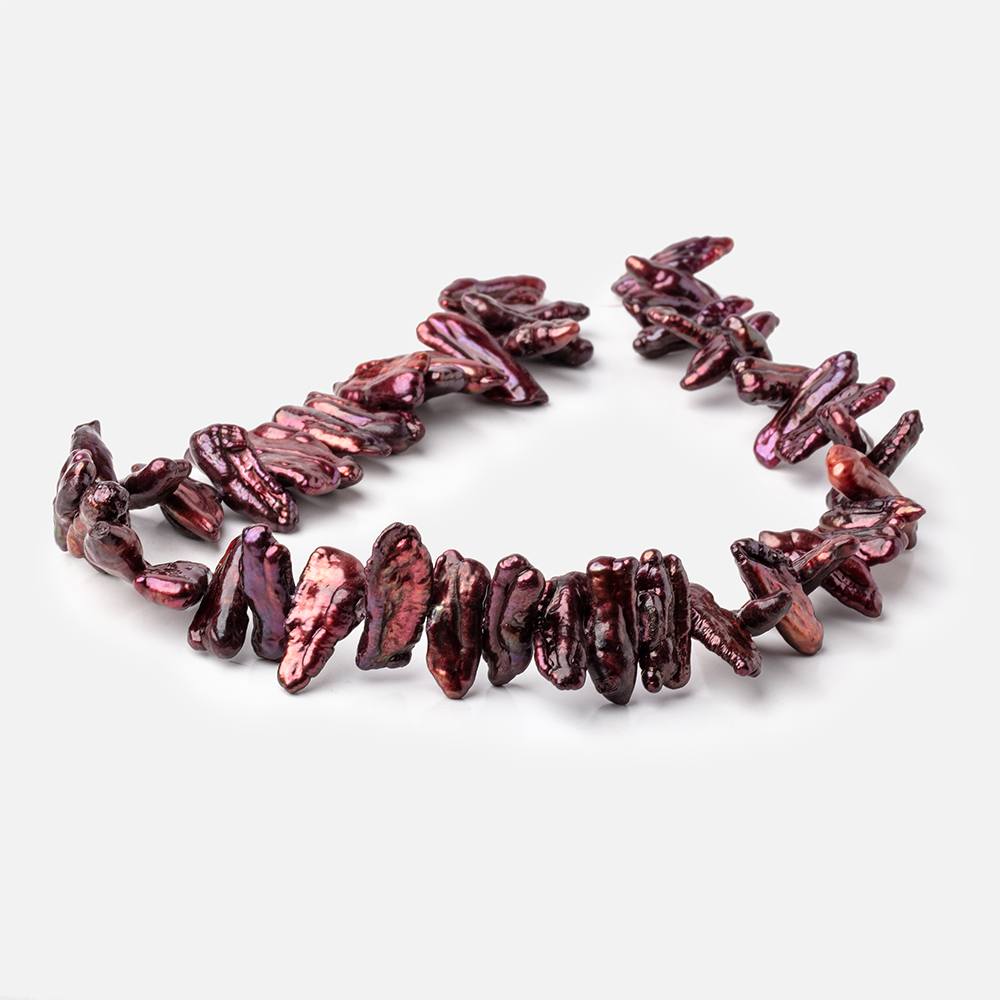
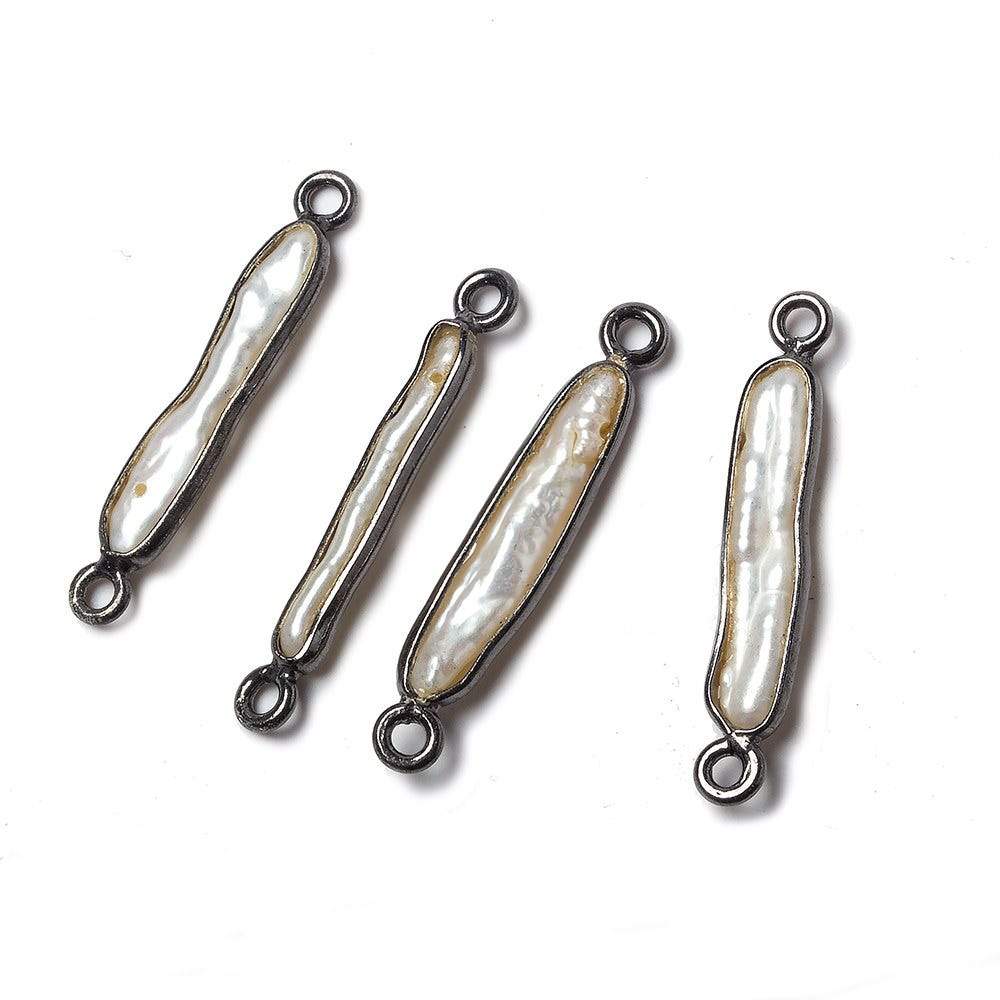
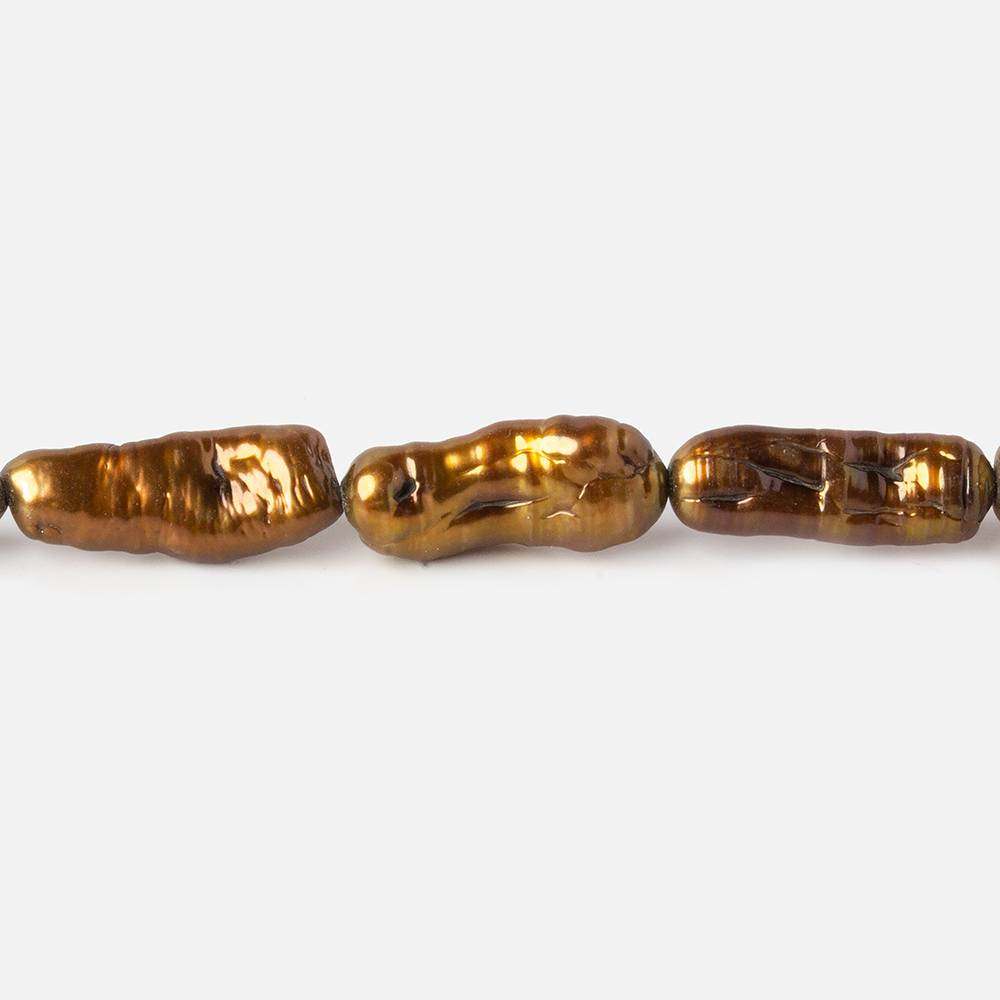
Stick pearls: Long, narrow, rod-like forms, the most classic biwa shape. Ideal for pendants and earring drops.
-
Bar pearls: Shorter and broader than stick pearls, with flat surfaces that catch light at striking angles.
-
Flat / petal pearls: Thin, disk-like shapes that layer beautifully in multi-strand necklace designs.
-
Keishi pearl beads: Thin, irregular, all-nacre flakes closely related to the biwa family, prized for their intense luster.
Drilling options include center-drilled biwa pearl beads for continuous strands (ideal for necklaces and bracelets), and side-drilled or top-drilled options for pendants and earring components that hang vertically.
Natural colors range from white and cream to soft peach. Many of our freshwater pearl beads are also available in dyed finishes — black, gold, teal, lavender, and rose, giving you a broad palette for both classic and contemporary designs.
Biwa Pearl Jewelry: Necklaces, Pendants, Earrings & Bracelets
The elongated, organic form of these pearls makes them one of the most versatile components in a jewelry maker's toolkit. Here is how designers use them across different biwa pearl jewelry styles:
-
Biwa pearl necklace: Single strands of stick or bar pearls create a textured, sculptural silhouette. Graduated styles add vintage elegance; opera-length ropes make dramatic statement pieces.
-
Biwa pearl pendant: A single oversized stick pearl wire-wrapped in gold-filled or sterling silver is one of the cleanest, most modern focal designs possible — minimal materials, maximum impact.
-
Biwa pearl earrings: Pairs of side-drilled or top-drilled stick pearls make exceptional drop and dangle earrings. Their elongated shape creates natural movement that round pearls simply cannot replicate.
-
Biwa pearl bracelet: Center-drilled rondelle or bar pearls string beautifully onto beading wire or elastic. Mix with gold spacers or labradorite rondelles for a layered, curated look.
-
Biwa stick pearls as focal pieces: Oversized examples (25mm+) work as wire-wrapped pendants, tassel components, or statement drops in mixed-media designs.
They also combine naturally with other freshwater pearl beads — coin pearls, rice pearls, and baroque shapes for mixed-pearl necklaces that celebrate the full range of natural pearl forms.
Vintage Japanese Biwa Pearls vs. Modern Cultured
Authentic vintage biwa pearls from the Lake Biwa peak production years (1950s–1970s) are collector pieces characterized by exceptionally thick nacre, a distinctively warm, silky luster, and original hand-knotted silk stringing. Fine antique strands can command significant prices through estate and specialist dealers.
Modern biwa-style cultured freshwater pearls are primarily produced in China and offer excellent quality, far greater size and color variety, and accessible pricing for jewelry production. High-grade modern strands rival vintage pieces in luster and nacre depth. For working jewelers and production studios, they are the practical, high-quality choice and the foundation of our collection at Beads of Cambay.
Wholesale Biwa Pearl Beads for Designers & Retailers
We supply biwa pearls wholesale to jewelry designers, production studios, and retailers across the USA. Our wholesale program covers all major shapes — biwa stick pearls, bar pearls, petal pearls, and keishi pearl beads in both natural and dyed finishes, with consistent lot quality and reliable fulfillment for small and large orders alike. Fast domestic shipping and international options are available.
Contact our team directly to discuss wholesale pricing, available quantities, and custom bulk orders tailored to your production needs.
Shop Biwa Freshwater Pearls at Beads of Cambay
Browse our full collection of biwa freshwater pearls at Beads of Cambay, from natural white biwa stick pearls to dyed black, teal, and lavender varieties. Whether you are sourcing a single strand for a statement biwa pearl necklace or ordering biwa pearls wholesale for your production line, our team is here to help you find the right pearls for your project. Explore our wider freshwater pearl beads collection to discover keishi, baroque, and coin pearl varieties that pair beautifully with the biwa shapes.
Frequently Asked Questions — Biwa Freshwater Pearls
What Is a Biwa Pearl, and How Is It Different From Other Pearls?
A biwa pearl is a non-nucleated cultured freshwater pearl grown without a bead nucleus, resulting in an all-nacre pearl with an irregular, elongated shape. This distinguishes them from round nucleated pearls and gives them their signature thick nacre, satiny luster, and organic forms, including sticks, bars, and flat petals. They fall under the broader 'baroque' category for non-round pearls.
Are Biwa Pearls Real Pearls?
Yes. Biwa freshwater pearls are genuine cultured pearls, real nacre produced by freshwater mussels, not glass, plastic, or coated imitations. Every strand at Beads of Cambay is an authentic cultured freshwater pearl, accurately described in our product listings.
What Types of Biwa Pearl Jewelry Can I Make?
Their elongated shape suits a wide range of styles. Popular applications include biwa pearl necklaces, biwa pearl earrings, biwa pearl pendants, and biwa pearl bracelets. The organic form creates natural movement in drops and dangles, and the luster photographs beautifully for product listings.
How Much Are Biwa Pearls Worth?
Modern biwa pearl strands range from approximately $5–$15 for entry-level dyed strands, $15–$40 for well-matched natural or premium dyed strands, and $40–$100+ for oversized stick pearls with excellent luster. Authentic vintage biwa pearls from original Lake Biwa production are collector pieces priced accordingly through specialist dealers.
How Do I Care for Biwa Pearl Beads?
Wipe biwa pearl beads with a soft, slightly damp cloth after wearing to remove oils and perfume residue. Avoid chemicals, hairspray, and chlorinated water. Store them separately from harder stones to prevent surface scratching. Re-string silk-strung necklaces periodically as silk weakens with regular wear.
Where Can I Learn More About the History of Biwa Pearls?
We have written a detailed guide to the history of Lake Biwa pearls from the early Japanese cultivation methods through to the environmental decline of Lake Biwa and the rise of Chinese production.
Hear what customers are saying about our service and products!
We are rated 4.9 out of 5 stars. 3000+ Five-Star Reviews.