The Complete Birthstone Chart: Modern, Traditional, and Zodiac Guide
Your complete Birthstone Chart spanning the modern list, ancient traditions, and zodiac connections is one of the most personal and enduring references in the world of jewelry. For centuries, people have treasured the idea that a specific gemstone corresponds to the month you were born, and today that tradition is richer than ever. Whether you are shopping for a meaningful gift, designing personalized jewelry, or simply exploring the story behind your stone, this guide covers everything you need. You'll find the full birthstone chart by month, a comparison of modern and traditional stones, a zodiac birthstone breakdown, and answers to the most common questions people ask about birthstones.
Explore our collection of Gemstone Beads to shop your birthstone today.
An organized reference that associates particular gemstones with every month of the year or sign of the zodiac is called a birthstone chart. These pairings carry centuries of cultural, spiritual, and historical meaning. For those born in the corresponding month, the gemstones listed in a birthstone chart are thought to bring protection, good fortune, and personal resonance. Over time, standardized and alternative versions of the chart have developed, giving people multiple ways to find a stone that feels uniquely theirs.
The History of Birthstones
The story behind the birthstone chart stretches back to ancient times. The Book of Exodus contains the earliest mention of the Breastplate of Aaron, a holy garment embellished with twelve gemstones that symbolize the twelve tribes of Israel. The Roman Jewish historian Josephus noted in the first century AD that those twelve stones could be linked to the year's twelve months and the twelve signs of the zodiac. Several centuries later, in the fifth century, St. Jerome reinforced this connection, helping establish the idea that wearing your monthly stone carried special significance.
By the 8th and 9th centuries, people began collecting all twelve stones and wearing only the stone aligned with the current month, believing it had heightened power at that time. The modern tradition of wearing your personal birth month stone is thought to have begun in Poland and Germany around the 16th century, spreading across Europe through the 18th century.
The American National Retail Jewelers Association, which is now known as Jewelers of America, standardized the Official Birthstone Chart in 1912. That list has been updated several times: alexandrite was added as a June stone and citrine for November in 1952; tanzanite was introduced as a December option in 2002; and spinel joined peridot as an August birthstone in 2016.
Types of Birthstone Charts
Not all birthstone guides are identical. There are several types of birthstone charts, each rooted in a different cultural or historical tradition. Understanding the main types of birthstone charts helps you choose the stone system that resonates most with you.
Modern Birthstone Chart:
The most widely used reference today. Standardized in 1912 and periodically updated, it reflects contemporary gemstone preferences and market availability. Most jewelry stores follow this list.
Traditional Birthstone Chart:
Rooted in historical and cultural customs, the traditional birthstone chart predates the modern list by centuries. It assigns stones based on ancient astrology, religious texts, and regional traditions. The traditional birthstone chart often features different stones than the modern version, for example, sardonyx for August and bloodstone for March.
Zodiac / Astral Birthstone Chart:
Rather than following the calendar month, this system aligns gemstones with the twelve astrological signs. Zodiac birthstones are also called astral stones and are believed to enhance the strengths of each sign while balancing its challenges.
Mystical and Ayurvedic Charts:
Mystical birthstones are believed to have originated in Tibetan tradition, while Ayurvedic birthstones are drawn from Indian Vedic astrology. Both systems differ from the Western modern list and are favored by those seeking a more spiritually grounded approach.
Modern Birthstone Chart by Month
The modern birthstone chart reflects the standardized list most jewelers and buyers use today. Here is the complete birthstone chart by month, along with the traditional counterpart and primary stone color for easy reference.
Month
Modern Birthstone
Traditional Birthstone
Primary Color
January
Garnet
Garnet
Deep Red
February
Amethyst
Amethyst
Purple
March
Aquamarine
Bloodstone
Light Blue / Dark Green
April
Diamond
Diamond
Clear / White
May
Emerald
Emerald
Green
June
Pearl, Alexandrite
Pearl, Moonstone
White / Color-Change
July
Ruby
Ruby
Red
August
Peridot, Spinel
Sardonyx
Lime Green / Orange-Red
September
Sapphire
Sapphire
Blue
October
Tourmaline, Opal
Opal
Multi-color / Play of Color
November
Topaz, Citrine
Topaz
Yellow / Golden
December
Tanzanite, Zircon, Turquoise
Turquoise, Lapis Lazuli
Blue / Blue-Green
This table reflects both the traditional birthstone chart and the modern list in one place, making it easy to compare your options.
Month-by-Month Birthstone Guide
January: Garnet
Garnet is one of the most ancient gemstones, known for its deep red tones that symbolize trust, protection, and positive energy. While red is the most recognized variety, garnet also occurs in green, orange, and even color-changing forms.
Amethyst's rich purple hue has long been associated with clarity, calm, and courage. Historically worn by royalty and clergy, this quartz variety is one of the most beloved gemstones in both modern and traditional systems.
With its serene blue color reminiscent of clear ocean water, aquamarine symbolizes communication and inner peace. It served as a talisman for safe travel for ancient sailors. The traditional alternative, bloodstone, is a dark green stone with red flecks, associated with courage.
One of the most iconic stones on the birthstone chart, the diamond represents clarity, strength, and enduring love. Its unmatched hardness on the Mohs scale makes it as resilient as it is brilliant.
The vivid green emerald is tied to spring, renewal, and balance. It has been revered since ancient Egypt, where Cleopatra was said to have prized it above all other stones. On the Mohs scale, emeralds are ranked between 7.5 and 8.
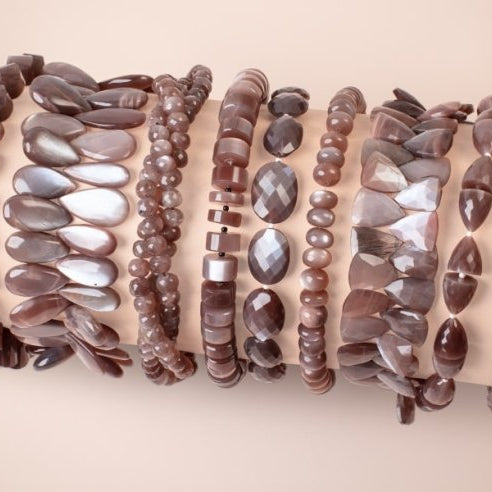
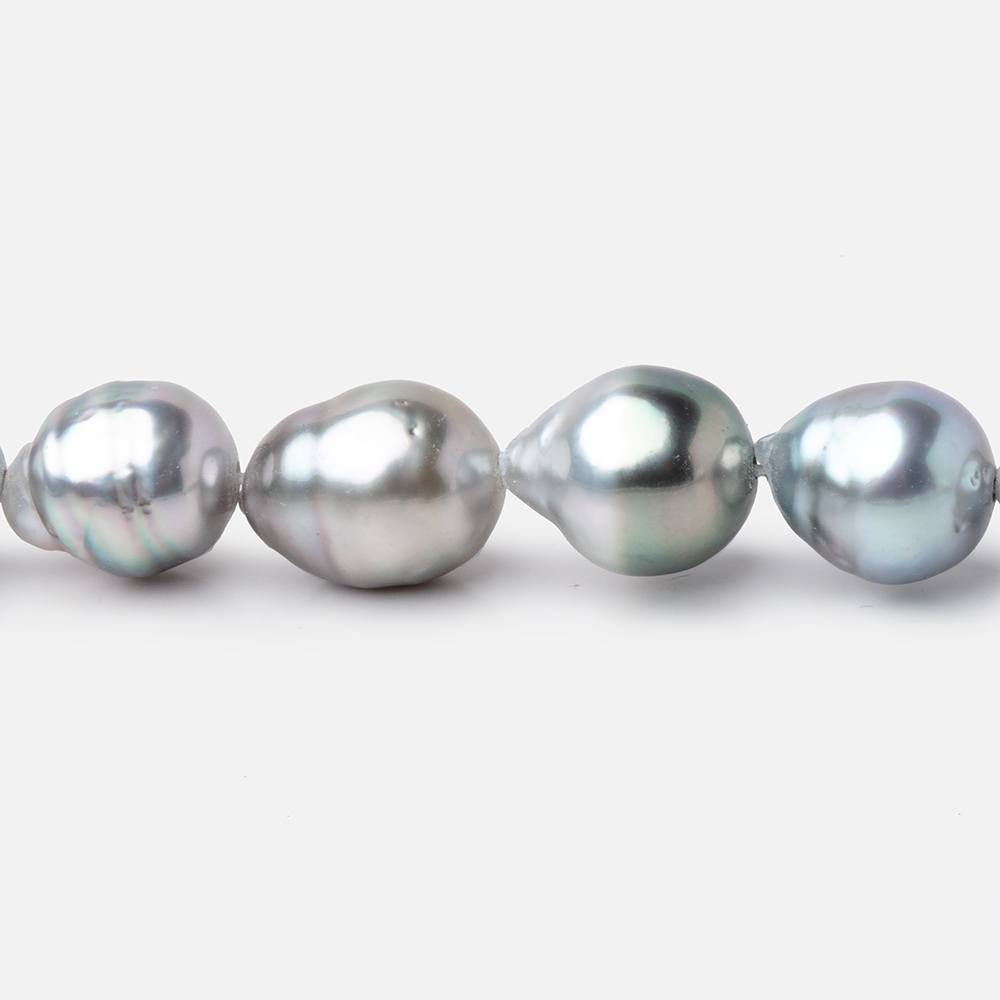
June is one of the more versatile months on the birthstone chart, offering pearl, alexandrite, and moonstone as options. While alexandrite is prized for its striking color shift from green in daylight to red under incandescent light, pearls stand for purity and wisdom.
Ruby's rich red hue represents vigor, strength, and passion. It is among the rarest and most valuable stones on any birthstone chart and has been associated with protection and success across multiple cultures.
Peridot's bright lime-green tone makes it one of the most distinctive stones of summer. Only a small number of gemstones come in a single hue. Spinel, added to the list in 2016, offers a stunning range of reds and pinks as an alternative.
Sapphire represents wisdom, loyalty, and nobility values that have made it a favorite among royalty for centuries. Though best known in deep blue, sapphires also occur in yellow, pink, and even colorless varieties.
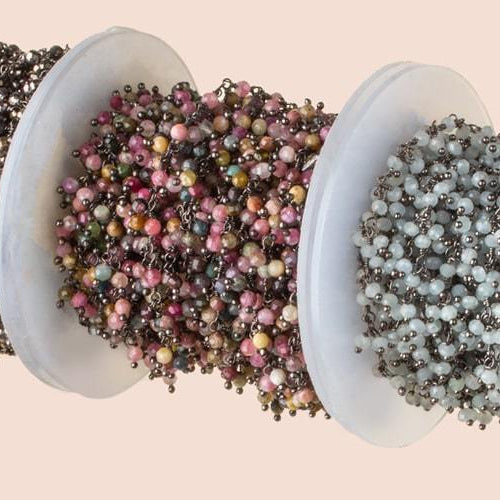
October is another multi-stone month on the birthstone chart. Tourmaline offers one of the widest color ranges of any gemstone, while opal dazzles with its iridescent play of color. Both stones are beloved in contemporary jewelry design.
Golden topaz and sunny citrine both capture the warm tones of autumn. Topaz is linked to strength and clarity, while citrine's bright yellow color is associated with positivity and energy.
December offers three beautiful options on the birthstone chart, all known for cool blue and blue-green hues. Tanzanite is among the rarest gemstones in the world, found only near Mount Kilimanjaro. Turquoise carries thousands of years of cultural meaning, and zircon's brilliance rivals that of diamonds in sparkle.
In addition to the monthly system, a separate zodiac birthstone chart assigns stones based on astrological signs rather than calendar months. These stones are sometimes called astral stones and are valued for how closely they align with each sign's personality and energy.
Zodiac Sign
Date Range
Birthstone
Aries
Mar 21 – Apr 19
Diamond
Taurus
Apr 20 – May 20
Emerald
Gemini
May 21 – Jun 20
Alexandrite / Agate
Cancer
Jun 21 – Jul 22
Ruby / Pearl
Leo
Jul 23 – Aug 22
Peridot / Ruby
Virgo
Aug 23 – Sep 22
Sapphire / Carnelian
Libra
Sep 23 – Oct 22
Opal / Tourmaline
Scorpio
Oct 23 – Nov 21
Topaz / Citrine
Sagittarius
Nov 22 – Dec 21
Turquoise / Tanzanite
Capricorn
Dec 22 – Jan 19
Garnet
Aquarius
Jan 20 – Feb 18
Amethyst / Garnet
Pisces
Feb 19 – Mar 20
Aquamarine / Amethyst
If your zodiac stone differs from your monthly birthstone, there is no rule requiring you to choose just one. Many people wear both stones together as a personalized combination.
Why Do Some Months Have More Than One Birthstone?
Several months on the Birthstone Charts list more than one official stone. This happens for a few reasons. First, the 1912 standardization was updated multiple times as new gemstones grew in popularity or became more commercially available.
Second, traditional charts and modern charts don't always agree, so some months carry forward a beloved traditional stone alongside a newer modern option. Third, some stones became more accessible over time, giving jewelers and buyers a more affordable or versatile alternative. June, October, November, and December all have multiple modern options on the official list.
Frequently Asked Questions
What Is the Rarest Birthstone?
Alexandrite, the modern June birthstone, is considered one of the rarest gemstones in the world due to the specific geological conditions required to form it. Tanzanite, the December birthstone, is also exceptionally rare, found in only one location on Earth.
What Is the Most Valuable Birthstone?
Diamond (April) and ruby (July) are generally the most valuable birthstones per carat, depending on quality, cut, and origin. Alexandrite and tanzanite can also command high prices due to their rarity.
Is It Possible for Me To Wear a Birthstone That Is Not Mine?
Of course. There are no restrictions on who can wear a particular gemstone. Many people select stones for gifts to loved ones, personal significance, or color preferences.
What Distinguishes the Traditional Birthstone Chart From the Modern One?
The Modern Birthstone Chart was formalized in 1912 and reflects contemporary gemstone preferences. The Traditional Birthstone Chart draws on ancient customs, religious texts, and pre-20th-century traditions, often featuring different stones for the same month.
How Can I Pick My Month’s Birthstone From a Variety of Options?
The best approach is to go with the stone that resonates most with you visually or symbolically. If you were born in August, you can choose between peridot, spinel, or sardonyx (traditional). If one color or meaning speaks to you more, that is your stone.
Shop Premium Birthstone Gemstone Beads at Beads of Cambay
Now that you have a complete birthstone chart reference at your fingertips, it's time to find your perfect stone. At Beads of Cambay, we carry a carefully curated collection of gemstone beads for every birth month, sourced for quality and authenticity. Whether you are crafting personalized jewelry, selecting a meaningful gift, or building a gemstone collection, our inventory spans every stone on both the modern and traditional birthstone charts.
Have questions about a specific stone? Contact our team at info@beadsofcambay.com or call +1-877-255-5058. Our gemstone experts are happy to help.
Final Takeaway
The Birthstone Chart is far more than a simple list; it is a window into centuries of cultural tradition, personal symbolism, and natural beauty. From the ancient breastplate that first connected twelve gems to twelve months, to the official 1912 standardization and its modern updates, the story of birthstones continues to evolve.
Whether you follow the modern birthstone chart, prefer the depth of the traditional birthstone chart, or connect more with your zodiac stone, the right gemstone is the one that feels meaningful to you. Visit the full Beads of Cambay blog section to learn more about each birthstone in depth.
Arun Yadav is a distinguished expert in the gemstone industry, with over 18 years of experience honed through his family's legacy in sourcing and manufacturing beads. As the CEO of Beads Of Cambay, Arun combines his deep knowledge of the bead market with innovative strategies to lead the company to new heights. Arun's background includes previous roles at UPS and a BA in Business and Economics from Stony Brook University, equipping him with a robust skill set in E-Commerce, B2B sales, online marketing, brand development, and more.
Based in Lawrenceville, Arun is a prolific writer and thought leader, sharing his insights and experiences through engaging content that resonates with both industry professionals and consumers. His work not only sets new standards in the gemstone market but also inspires excellence and innovation.
To learn more about Arun Yadav's expertise and stay updated on his latest contributions to the gemstone market, connect with him on LinkedIn, and Facebook. His innovative approach and dedication make him a pivotal figure in the ongoing evolution of the bead and gemstone industry.